
Mark Cunningham Lab members publish two new articles
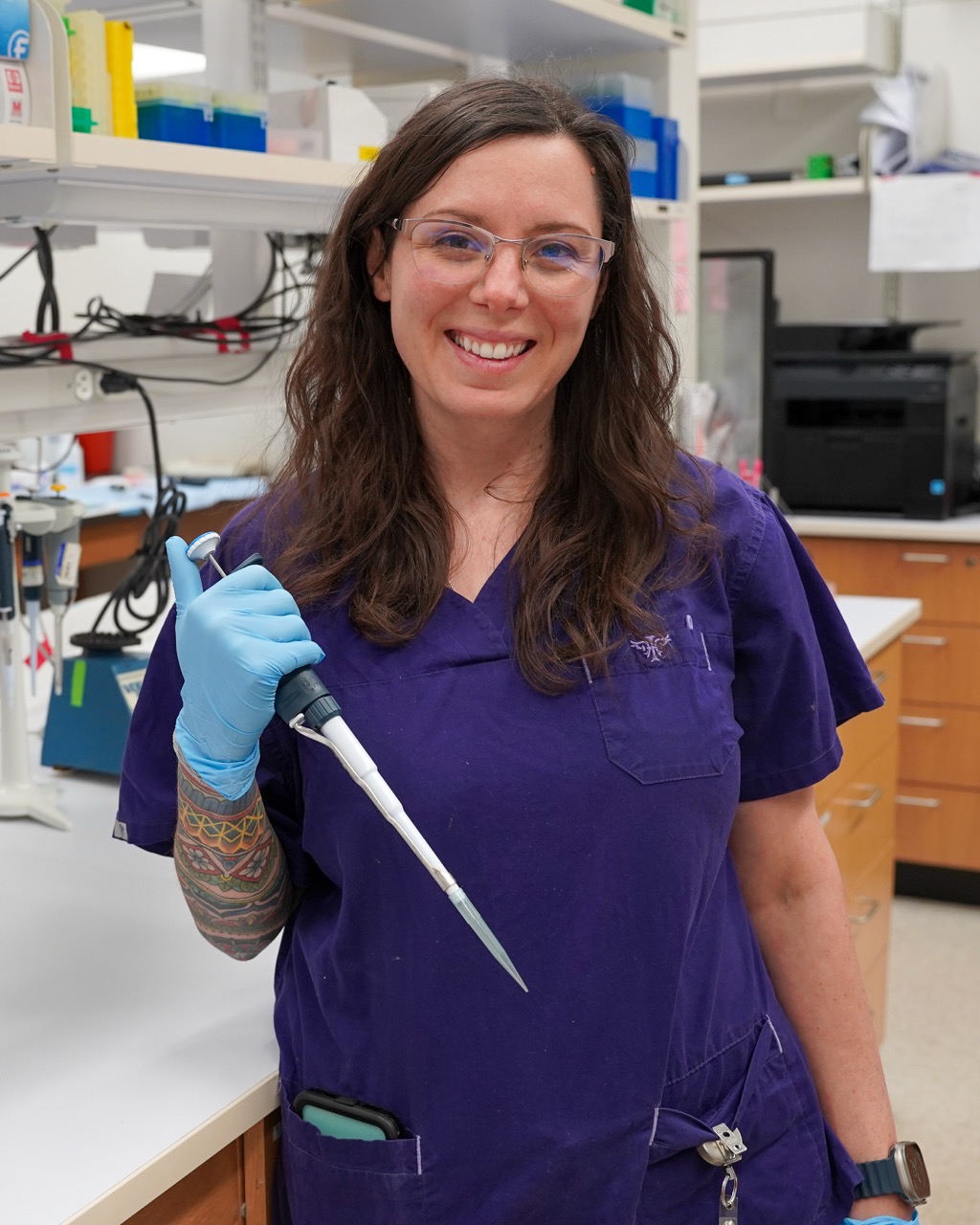
PhD Candidate Jonna Smith published the article “Rats Exposed to a Low Resource Environment in Early Life Display Sex Differences in Blood Pressure, Autonomic Activity, and Brain and Kidney Pro-inflammatory Markers During Adulthood" in Biology of Sex Differences.
Poverty, a low resource state, is a common adverse childhood experience and early life stress. People who experienced childhood poverty are at greater risk for developing hypertension during adulthood, with sex differences. To determine the possible mechanisms of these sex differences, her study investigated the alterations in blood pressure, autonomic activity, and inflammation in the brain and kidneys of rats exposed to an impoverished environment during the early postnatal period.
"We are currently living in hard times, where many people struggle meeting basic everyday needs. My work in early life stress highlights how poverty can have later in life consequences, affecting males and females differently. This work, like many others, needs to continue in order to initiate a future paradigm shift towards preventative health,” Jonna Smith said.
“I feel blessed to be a part of such an amazing team and school that truly cares about improving lives for all."
Jonna Smith’s research was made possible through the support of UNT Health's Physiology and Anatomy Department and predoctoral fellowship through the Neurobiology of Aging and Alzheimer's Disease Training Program (funded by NIH training grant T32 AG 020494).
This is Jonna Smith’s second first-author publication. Read the full study here: Rats Exposed to a Low Resource Environment in Early Life Display Sex Differences in Blood Pressure, Autonomic Activity, and Brain and Kidney Pro-inflammatory Markers During Adulthood
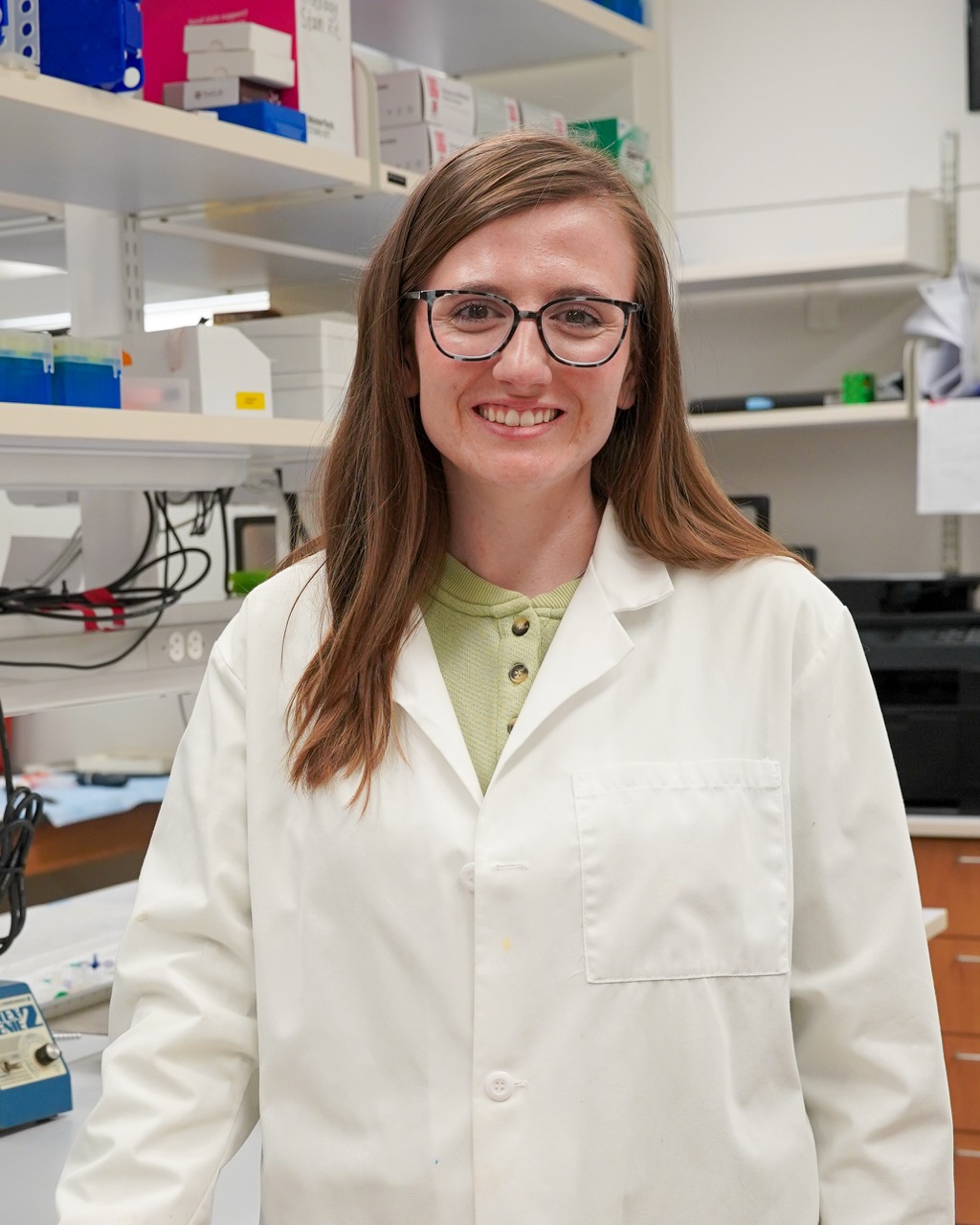
PhD Candidate Savanna Smith published the article “Rodents exposed to placental ischemia in utero display sex differences in brain miRNA expression, mitochondrial function, and blood pressure in adulthood” in the APS Physiological Genomics Journal.
During pregnancy complications like placental ischemia, intrauterine growth restriction (IUGR) can occur, reducing the fetus' ability to grow to its full potential. IUGR offspring, especially males, are more likely to develop chronic conditions such as hypertension in adulthood. In this study, the research team found that cerebral epigenetic (miRNA) alterations affecting mitochondrial function and increased brain oxidative stress may play a role in hypertension development. Therapeutic approaches that target these pathways might mitigate the development of hypertension in IUGR adults, especially males, but further research is needed on this topic. Understanding the mechanisms underlying the link between placental ischemia exposure during development and the onset of hypertension later in life will allow for personalized and better healthcare throughout life for individuals affected by IUGR.
“This work was made possible through collaboration between the Mark Cunningham lab (Integrative Physiology) and the Nicole Phillips lab (Genetics),” Savanna Smith said.
“The environment of collaboration and the support provided within CBTS really helped this research project come to fruition. By bringing disciplines together, we can develop a deeper and more complete understanding of the problems that we are studying to ultimately improve people’s health.”
Savanna Smith’s research was made possible with the support of UNT Health's Physiology and Anatomy Department and predoctoral fellowship through the Neurobiology of Aging and Alzheimer's Disease Training Program (funded by NIH training grant T32 AG 020494).
Read the full study here: Rodents exposed to placental ischemia in utero display sex differences in brain miRNA expression, mitochondrial function, and blood pressure in adulthood
Savanna’s article, also her second first-author publication, was selected as the APS Physiological Genomics paper of the month for February.