
Cardiology
Your Fort Worth Cardiology Doctor Is Here To Help
A cardiology doctor can help you take control of your heart health with early care, clear answers, and expert guidance. Whether you need a diagnosis, a prevention plan or long-term treatment, our team in Fort Worth is here to support you every step of the way.

Early Detection = Better Outcomes

We coordinate with your primary doctor for complete care.

Treatment tailored to your symptoms and goals.
One of the Top Cardiology Clinics Near Downtown Fort Worth, Texas
If you’ve experienced a stroke, heart attack, hypertension, or another type of cardiovascular distress, you can rest assured that your heart is health after testing and imaging with our experienced cardiology team.
Taking care of your heart doesn't have to mean surgery.
We frequently refer to interventional cardiologists, who use cutting-edge technology and minimally invasive interventional cardiology. These methods can prevent further damage to the heart without major surgery and long recovery times.
Heart disease is the #1 killer of Americans annually. Do you have a cardiologist?
Meet Our Providers
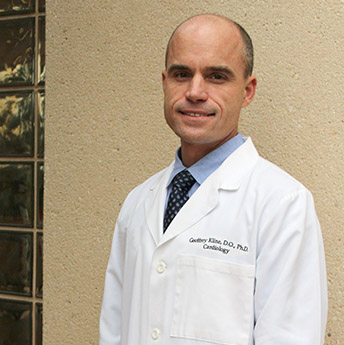 Cardiologist
Dr. Geoffrey Kline
DO, PhD, FACOI

Find a Cardiologist in 3 Easy Steps

1. Call 817-735-7622
First, establish care with a cardiologist or have your primary care provider send a referral.
2. Gather Information
Next, we’ll schedule a consultation to recommend further testing, imaging, or make a diagnosis.
3. Be Well
When it comes to matters of the heart, there’s no time to delay. If you experience symptoms related to your heart, call your doctor right away.

Types of Cardiology

General Cardiology
Our experienced providers help patients monitor and maintain their heart health, as well as identify those who are at risk of developing cardiovascular disease. We can also help patients manage ongoing heart conditions.

Interventional Cardiology
Minimally invasive procedures can relieve symptoms and help prevent heart attack or stroke. We refer patients to interventional cardiologists in the area, who use the latest technology to help patients avoid major surgery.

Cardiac Imaging
Imaging is essential to cardiac care and is a non-invasive way to provide consultants in cardiology with the information needed to diagnose, treat, and monitor heart conditions.
Common Tests You May Need
- Stress Test: Evaluates how your heart works during exercise or medication-induced activity.
- Echocardiogram: Uses ultrasound waves in order to create moving images of your heart’s structure and function.
- Electrocardiogram (EKG/ECG): Records your heart’s electrical activity in order to detect rhythm problems.
- Holter Monitor: Tracks your heart rhythm over 24–48 hours during daily activities.
- Cardiac CT Scan: Creates detailed 3D images in order to check for blocked or narrowed heart arteries.
- Cardiac MRI: Provides clear images of heart tissue, blood flow and also muscle damage without radiation.
- Nuclear Stress Test: Measures blood flow to your heart using a safe radioactive tracer during rest and stress.
- Coronary Calcium Scan: Detects hardened plaque in your arteries in order to assess heart disease risk.
- Chest X-Ray: Shows your heart’s size, shape and position and checks for fluid in the lungs.
- Blood Tests: Look for cholesterol, inflammation and other markers linked to heart disease.

Insurance
UNT Health Cardiology accepts most major insurance plans. If you have questions about which visit types are covered by your insurance, call our office at 817-725-7625.

Make an Appointment
Give us a call at (817) 735-7625 to schedule an appointment, or click here to schedule online.
Location: 855 Montgomery St, 3rd Floor, Fort Worth, TX 76107 | 817-735-7625
Clinic Hours: Monday – Friday | 8 a.m. – 5 p.m.

Our Patients Are Saying…
★ “Dr. Kline is amazing. I’m lucky to have him treat me and y’all are lucky to have him in your employ, both as a doctor and as a professor of medicine!“
★ “I really appreciate the time and patience of Laine Markham during this visit. She took the time to answer all my questions and cleared up some misconceptions I had about my A-Fib. I hope to keep Laine for any future cardiology visits. This was a very pleasant and informative visit.“
Program Overview and Benefits
- Blood pressure is too high: Blood pressure should be less than 120/80. The higher number (systolic) refers to the peak pressure by a contracting heart. The lower number (diastolic) refers to the blood flow when the heart is relaxed. High blood pressure is also the leading cause of stroke in the US. Medication is usually required in order to regulate blood pressure, along with weight loss and reducing sodium in the diet.
- Heart murmur: A heart murmur is an audible sound that can be heard when blood passes through the heart. It is usually caused by the narrowing or leaking of a heart valve. Heart valve issues may be mild and require monitoring, or they can be serious and require surgical intervention.
- Cholesterol: Most people know cholesterol as the fatty buildup that is deposited in the arteries, therefore creating blockages to the heart and other vital organs. However, cholesterol is not all bad. Good cholesterol is called HDL and bad cholesterol is LDL. The total numbers and ratios of these will contribute to your risk for plaque buildup in the arteries. Triglycerides are another factor to consider. Triglycerides are fats within the body that can result in the formation of bad cholesterol. Your provider uses information from lipid blood test results about factors in your cholesterol in order to create a full picture of your cardiovascular health and create a treatment plan.
Seek Immediate Care if You Notice These Heart-Related Symptoms
- Signs of a heart attack: A heart attack occurs when an artery is blocked suddenly, causing the heart muscle
tissue to die. This blockage is typically due to a clot blocking an artery that already
has plaque buildup from cholesterol. Cutting-edge technology allows us to preserve
heart muscle and function, especially if symptoms are addressed quickly. The most
common symptoms include
- Chest, arm, or neck pain
- Shortness of breath
- Nausea
- Exhaustion
- Feeling faint or light-headed
- As soon as these symptoms begin, you should contact a medical professional for evaluation.
- Signs of a stroke: If blood flow is interrupted to an area of the brain or there is bleeding in the
brain, it can cause the death of brain tissue, thus resulting in a stroke. Adults
commonly suffer a stroke due to interrupted blood flow to the brain. Stroke is the
number one complication related to long-term high blood pressure or hypertension that
has been untreated or poorly treated. Some signs of a stroke include:
- Sudden numbness or weakness in the face, arm, or leg, especially if only on one side of the body
- Sudden confusion
- Difficulty speaking or understanding speech
- Sudden trouble seeing in one or both eyes
- Sudden trouble walking, dizziness, loss of balance
- Respiratory infection with my high blood pressure medication: For almost all patients with heart disease, over-the-counter medications that are considered “decongestants” must be avoided. Decongestants make the blood vessels constrict, which can be especially dangerous for those with hypertension. Your cardiologist or pharmacist will be able to help you find a cold medicine that can help while also protecting your heart.
In many cases, you can choose a cardiology doctor without needing a referral. However, it depends on your health insurance plan and personal preferences. Understanding your options will help you take the next step toward heart health with confidence.
When You Don’t Need a Referral for a Cardiology Doctor
You may be able to schedule directly with a cardiologist if:
- You have PPO insurance: Most Preferred Provider Organization plans do not require referrals.
- You are self-paying: If you are not using insurance, you can book a visit at your convenience.
- You’re experiencing urgent symptoms: In certain situations, you may need fast access to a heart doctor near you, such as when you have chest pain, shortness of breath or irregular heartbeats.
Additionally, many Texas-based plans give you the option to self-refer if you are using in-network services. Always check with your insurer for full details.
When a Referral for a Cardiology Doctor Might Be Required
Some situations may require a referral from your primary care provider:
- HMO insurance: Health Maintenance Organization plans often need a referral to see specialists.
- Medicare Advantage: These plans can have different rules depending on your chosen network.
- Pre-authorization policies: Certain plans may request referral documentation for cardiac testing or specialty services.
Because insurance coverage varies, it’s smart to confirm your plan’s requirements before scheduling an appointment.
What are The Benefits of Choosing Your Cardiologist
Even if a referral isn’t required, choosing your own cardiologist gives you more control.
- Selection: More freedom to select someone with experience in your condition
- Location: Find a cardiac clinic close to home or work
- Reputation: Read reviews and look for the best cardiologist near you
Choose a heart doctor in Fort Worth who aligns with your communication style and care preferences.
In conclusion, don’t wait to get the care you deserve. Contact us today in order to request an appointment with a trusted cardiology doctor in Fort Worth.
Visiting a cardiology doctor early—even before symptoms become severe—can make a big difference in your long-term heart health. Early care helps you prevent serious conditions, manage risk factors, and improve your overall quality of life.
1. Early Detection Saves Lives: Seeing a cardiologist early can help identify heart conditions in their beginning stages. These include:
- High blood pressure
- Irregular heartbeats (arrhythmias)
- High cholesterol
- Early signs of heart disease
Your cardiology doctor can order noninvasive tests like EKGs or stress tests to detect issues before symptoms appear. As a result, you can begin lifestyle changes or medication earlier, reducing the risk of a heart attack or stroke.
2. Preventive Care and Risk Management: When you meet with a heart doctor near you early on, you gain access to:
- Personalized heart health plans
- Nutrition and exercise guidance
- Medication recommendations
- Monitoring of inherited or genetic risks
This proactive care is especially helpful if you have a family history of heart disease, diabetes, or high blood pressure.
3. Peace of Mind and Better Outcomes: By taking early steps, you:
- Avoid emergency room visits
- Reduce long-term health care costs
- Improve your chances of a longer, healthier life
Studies show that early intervention lowers the need for invasive procedures later. Plus, you’ll feel more confident knowing your heart health is under expert care.
In conclusion, seeing a cardiology doctor early helps protect your heart before problems start. Request your first visit today in order to take control of your health and future.
Yes, a cardiology doctor can play a key role in helping you prevent a heart attack. By focusing on early detection, lifestyle changes and personalized treatment, your cardiologist builds a plan to protect your heart for the long term.
1. Identifying Your Risk Factors: Your cardiology doctor will begin by reviewing your health history and checking for major risk factors, such as:
- High blood pressure
- High cholesterol
- Diabetes
- Obesity
- Smoking
- Family history of heart disease
- High stress or lack of exercise
They may order lab work or heart tests to check for early signs of trouble. If you have multiple risk factors, early action becomes even more important.
2. Creating a Prevention Plan: Your cardiologist works with you to build a customized plan that may include:
- Nutrition guidance – Choosing heart-healthy foods low in salt and trans fats
- Exercise recommendations – Safe and effective activity levels for your age and condition
- Medication management – Prescribing or adjusting drugs to control blood pressure or cholesterol
- Stress reduction techniques – Helping you manage emotional triggers that affect your heart
They also track your progress through follow-ups and regular check-ins.
3. Real Results from Expert Care: When you stay engaged with your cardiac clinic, you’re more likely to:
- Reduce plaque buildup in arteries
- Lower your risk of blood clots
- Improve heart strength and circulation
- Avoid emergency events like heart attacks
Choosing the right heart doctor near you makes all the difference. Consistent care builds long-term results.
As a result, you can take control before a crisis happens. Request an appointment now in order to create a prevention plan that works for you.
Your heart often sends early warning signs before a serious issue develops. Recognizing these symptoms and seeing a cardiology doctor early can help prevent major health events like heart attacks or strokes.
1. Common Symptoms You Shouldn’t Ignore: If you experience any of the following signs, it’s time to schedule a visit with a heart doctor near you:
- Chest discomfort or tightness – Especially during activity or stress
- Shortness of breath – While walking, exercising or lying down
- Irregular heartbeat – Skipping, fluttering or racing heartbeats
- Dizziness or fainting – Unexplained lightheadedness or balance issues
- Fatigue – Extreme tiredness not tied to activity or sleep
- Swelling – In your feet, ankles or legs
These symptoms may seem minor but could signal early heart issues.
2. Risk-Based Reasons to See a Cardiologist: Even if you don’t have symptoms, you may still need a heart checkup if you:
- Have a family history of heart disease
- Are over 40 and haven’t had a recent heart screening
- Have high blood pressure, diabetes or high cholesterol
- Are a smoker or former smoker
- Live a sedentary lifestyle with limited exercise
Your cardiologist can help detect issues before they become urgent.
3. Women and Heart Symptoms: Women may experience different signs, such as:
- Nausea or indigestion
- Pain in the jaw, neck or back
- Unusual fatigue or sleep issues
These can be easy to dismiss, but they may signal serious heart concerns. Seeing a cardiology doctor Fort Worth women trust can make a real difference.
In conclusion, don’t wait for symptoms to worsen. Contact us today in order to speak with a cardiologist around you and protect your heart health.
Services & Process
A cardiology doctor uses a range of tests to understand how your heart is working. These tests help detect problems early, guide treatment and prevent serious conditions. Most are painless, noninvasive and done right in the cardiac clinic.
Common Tests You May Receive
Here are the most common tests your heart doctor may order:
- Electrocardiogram (EKG/ECG): Measures your heart’s electrical activity. It checks for arrhythmias or past heart attacks.
- Echocardiogram: Uses ultrasound to see your heart’s structure and motion. It helps detect valve problems and heart muscle strength.
- Nuclear Stress Test: Monitors your heart during physical activity. It shows how your heart performs under stress.
- Holter Monitor: A portable device worn for 24–48 hours to track heart rhythm during daily life.
- Cardiac CT or MRI: Produces detailed images of your heart and blood vessels. These are used to find blockages or abnormalities.
- Blood Tests: Looks for signs of inflammation, cholesterol levels or heart muscle damage.
- Coronary Calcium Scan: Checks for hardened plaque in your arteries. It helps predict heart disease risk.
- Cardiac Catheterization (in specific cases): A more invasive procedure used to examine blood flow or place a stent.
These tests are tailored to your symptoms, age, medical history and risk factors.
What to Expect if You Need to Take a Cardiology Test at Your Appointment
- Your cardiologist will explain each test clearly
- Most tests take less than one hour
- You’ll receive detailed follow-up and results review
Knowing what to expect makes the process smoother and less stressful.
In order to understand your heart health better, early testing is key. Request your appointment today to get expert testing from a trusted cardiology doctor in Fort Worth.
Your first appointment with a cardiology doctor is an important step toward understanding your heart health. This visit focuses on learning about your symptoms, identifying risk factors and beginning a care plan tailored to your needs.
What to Bring to Your Appointment
Before your visit, gather:
- A list of your current medications
- Details about any symptoms, including when they started
- Family history of heart conditions
- Insurance information
- Any previous test results or diagnoses
Bringing this information helps your cardiologist better understand your health.
What to Expect During the Visit
During your first appointment, your cardiology doctor will:
- Review your medical history: This includes personal and family heart history.
- Discuss your symptoms: You’ll describe chest pain, shortness of breath or any irregular heartbeats.
- Take your vital signs: Blood pressure, heart rate and weight will be checked.
- Perform a physical exam: Your doctor may listen to your heart and lungs, check for swelling or signs of poor circulation.
- Order initial tests: Depending on your symptoms, you may receive an EKG, bloodwork or echocardiogram during the visit.
This is also your chance to ask questions and share any concerns. Your doctor will explain things clearly and guide you through the next steps.
After Your Visit with Your Cardiology Doctor is Completed
Once your evaluation is complete, your cardiologist may:
- Provide a diagnosis or discuss possible causes of your symptoms
- Recommend further testing, lifestyle changes or medication
- Schedule follow-up visits to track progress and adjust your care plan
By the end of your visit, you’ll have a clear path forward.
Therefore, meeting with a heart doctor near you helps set the foundation for long-term care. Request your first cardiology visit now in order to take charge of your heart health today.
Yes, your cardiology doctor will clearly explain your test results and what they mean for your heart health. Their goal is to make sure you understand each finding and feel confident about your next steps.
- How Your Results Are Shared: After your tests, your cardiologist will:
- Review your results in detail
- Show visuals like EKG graphs or echo images (when available)
- Explain medical terms in plain language
- Compare your results to normal ranges
- Discuss whether any problems were found
- You’ll also learn how your results relate to your symptoms, lifestyle and overall risk.
- What Happens Next: Depending on the outcome, your doctor may:
- Recommend lifestyle changes, such as diet or exercise
- Adjust or prescribe medication
- Order more tests to confirm findings
- Schedule a follow-up visit
- Refer you to another heart specialist if needed
- You’ll receive a clear action plan and know what to do between visits.
- Getting Copies and Asking Questions: You can request copies of your test results for your records or to share with another
doctor. Don’t hesitate to ask:
- What does this result mean?
- Is this something to worry about now or just watch?
- What can I do to improve my numbers?
- A great cardiologist makes sure you feel heard and informed throughout the process.
As a result, understanding your test results is the first step toward better heart health. Reach out today in order to speak with a Fort Worth cardiologist who will explain your care every step of the way.
After your visit with a cardiology doctor, your care continues with a plan designed just for you. Whether your heart is healthy or needs treatment, your next steps will focus on protecting and improving your long-term health.
- You’ll Receive a Personalized Care Plan: Your cardiologist will review your exam and test results to build a custom plan that
may include:
- Lifestyle changes – Nutrition, exercise and stress management
- Medication – Prescriptions to lower blood pressure, reduce cholesterol or manage other conditions
- Monitoring – Keeping an eye on symptoms, blood pressure or heart rhythm
- Follow-up appointments – Regular check-ins to make sure the plan is working
- Additional testing – If needed to confirm a diagnosis or adjust treatment
- You’ll know exactly what to do next—and when to do it.
- Coordinated Care With Other Providers: If you have a primary care doctor, your cardiologist will:
- Share test results and diagnosis
- Coordinate on medications or treatments
- Recommend referrals to other specialists, if needed
- This team-based approach helps you get complete, well-organized care.
- Staying Engaged in Your Heart Health: You play a big role after your visit. To stay on track:
- Follow your care plan
- Take medications as directed
- Report any changes in symptoms
- Ask questions if you feel unsure
- Keep your follow-up appointments: Ongoing care improves outcomes and reduces the risk of heart attacks, strokes or hospital visits.
In order to protect your heart health for years to come, stay connected with your care team. Schedule your follow-up or reach out by calling 817-735-7622 to stay on the path to better heart health.
Cardiology doctors use advanced imaging tools to see how your heart looks and functions. These imaging tests help diagnose heart problems early, guide treatment and track improvements over time. Most tests are quick, painless and done on-site.
Common Types of Heart Imaging Ordered by a Cardiology Doctor
Depending on your condition, your cardiologist may use one or more of the following:
- Echocardiogram: A noninvasive ultrasound that shows real-time images of your heart chambers, valves and blood flow. It checks for valve problems, heart failure or heart wall motion issues.
- Electrocardiogram (EKG/ECG): While not a true image, it maps your heart’s electrical activity and rhythm. It’s often used with other imaging tools.
- Cardiac CT Scan: A detailed scan that shows arteries, valves and heart anatomy. It helps detect calcium buildup or blockages in blood vessels.
- Cardiac MRI: Offers high-resolution images of heart tissue, muscle damage or structural abnormalities. It’s useful for detailed evaluations without radiation.
- Nuclear Stress Test: Combines a treadmill test with a radioactive tracer. It tracks blood flow to your heart muscle during rest and stress.
- Chest X-Ray: Shows the size and shape of your heart and lungs. It can detect fluid buildup or enlarged heart conditions.
- Coronary Calcium Score: A CT-based scan that measures calcified plaque in your arteries. It’s used to assess the risk of coronary artery disease.
Each imaging test provides specific information, and your doctor will choose the right one based on your needs and symptoms.
What to Expect During Imaging
- Most tests take 15–60 minutes
- Some require mild prep, such as fasting
- You’ll lie still while the images are taken
- Results are usually reviewed within a few days
Your cardiology doctor will explain the process ahead of time and review the results with you afterward.
Therefore, imaging gives you and your doctor a clearer picture of your heart health. Schedule your heart imaging today in order to take the next step toward peace of mind.
Yes, your primary care doctor will receive regular updates from your cardiology doctor. This communication is key to making sure your care is well-coordinated, especially if you have ongoing conditions like high blood pressure, diabetes or heart disease.
- What Information Is Shared: After your visit, your heart doctor near you will send a report to your primary provider
that may include:
- Test results – EKGs, echocardiograms or lab results
- Diagnosis or findings – What the cardiologist discovered
- Medications prescribed or adjusted – Including doses and changes
- Treatment plans – Exercise, diet, or follow-up care details
- Specialist referrals – If additional heart care is needed
- This summary ensures your primary doctor stays informed and can support your overall health.
- Why Shared Health Care Matters: When your cardiologist and primary doctor work together, you benefit from:
- Better health tracking – No gaps or overlap in your care
- Faster decisions – Treatment adjustments happen quicker
- Fewer medication conflicts – Doctors can spot drug interactions early
- More personalized care – Providers build a full picture of your needs
- This team-based approach is especially helpful for people managing multiple conditions or medications.
- You Can Request Updates Too: If you want a copy of your visit notes or test results:
- Ask during your cardiology visit
- Use your patient portal
- Let both doctors know you’d like shared access
- Clear communication helps you stay in control of your health journey.
In conclusion, working with a cardiology doctor doesn’t mean starting over—it means building a stronger care team. Request your appointment today in order to get expert heart care that fits into your full health plan.
Most cardiology appointments last between 30 and 60 minutes, depending on the reason for your visit and whether you need tests during the same day. Your time is used carefully to make sure all concerns are addressed and a personalized plan is developed.
- First-Time Appointments May Take Longer: If it’s your first time seeing a cardiology doctor in Fort Worth, expect the visit
to take closer to 60 minutes. This allows time for:
- Reviewing your full medical and family history
- Discussing your symptoms in detail
- Taking vital signs and doing a physical exam
- Performing basic tests, such as an EKG
- Creating an initial treatment or testing plan
- Answering your questions about next steps
- Follow-Up Appointments Are Usually Shorter: Routine check-ins typically last around 30 minutes, though some may be shorter or
longer depending on:
- Whether new symptoms have developed
- Test results that need to be reviewed
- Medication changes or side effects
- Progress tracking for treatment or recovery
- Your cardiologist will let you know what to expect ahead of time.
- Tips to Make the Most of Your Visit: To help your appointment run smoothly:
- Arrive 15 minutes early for paperwork
- Bring a list of questions and symptoms
- Have your medications or a current list ready
- Bring prior test results, if available
- Being prepared helps your doctor give the best care possible.
Therefore, a well-planned cardiology visit makes every minute count. Request your appointment today in order to get expert heart care on your time.
Cost, Insurance & Access
Yes, most health insurance plans cover visits with a cardiology doctor. However, your coverage details can vary based on your specific plan, provider network and whether a referral is required.
- What’s Typically Covered: In many cases, your insurance will help pay for:
- Initial cardiology consultations
- Diagnostic tests like EKGs, echocardiograms or stress tests
- Ongoing heart care and treatment plans
- Follow-up appointments
- Preventive screenings for heart disease risk factors
- Coverage may include a co-pay or coinsurance, depending on your plan.
- Referral Requirements (if needed): Some plans, especially HMO or Medicare Advantage plans, may require a referral from
your primary care provider before seeing a cardiologist. If you have a PPO or are
self-paying, you may be able to book directly. It’s best to contact your insurance
provider to:
- Confirm coverage for cardiology services
- Check if a referral is needed
- Ask about in-network providers in Fort Worth
- Understand any out-of-pocket costs
- Our clinic can also help verify your benefits before your visit.
- Tips to Avoid Surprise Costs: To keep your visit affordable:
- Bring your insurance card to the appointment
- Ask about coverage before any test or procedure
- Request a cost estimate from the clinic ahead of time
- Check if the clinic is in-network with your plan
- Planning ahead helps avoid unexpected bills.
As a result, affordable care starts with knowing your coverage. Call us today at 817-735-7622 in order to confirm insurance details and request your visit with a trusted Fort Worth cardiology doctor.
In most cases, yes—you will see the same cardiology doctor at each visit. Building a relationship with one doctor helps ensure consistent care and a better understanding of your long-term heart health needs.
- Benefits of Seeing the Same Cardiologist: Having one dedicated heart doctor allows you to:
- Build trust – You’ll feel more comfortable sharing concerns
- Get personalized care – Your doctor knows your history and monitors changes over time
- Avoid repeating your story – Less time reviewing the past, more time focusing on the future
- Receive consistent guidance – Medication adjustments and care plans stay aligned
- This approach is especially helpful for managing chronic conditions like high blood pressure, arrhythmias or heart failure.
- When You Might See Another Provider: While continuity is the goal, there are a few times you may see someone different:
- Your cardiologist is unavailable and another team member steps in
- You need a specific test or procedure done by a specialist
- You request a second opinion or a different provider
- In these cases, all providers in the cardiac clinic communicate and share records, so your care stays smooth and connected.
- How to Make Sure You Stay With the Same Doctor:
- Ask to book with the same cardiologist each time
- Schedule follow-ups before you leave the clinic
- Let the staff know if continuity is important to you
At UNT Health, we value long-term relationships and patient comfort, so we do our best to keep you with the same provider. Therefore, seeing the same cardiology doctor helps create stronger, more effective care. Book your appointment now in order to build a long-term connection with a trusted Fort Worth heart specialist.
Fort Worth Heart and Vascular Care
Our experienced and compassionate cardiologists are available to patients in the North Texas area. Call 817-735-7622 to schedule an appointment.
Location
855 Montgomery St., 3rd Floor
Fort Worth, TX 76107
817-735-7622
Clinic Hours
Monday – Friday
8 a.m. – 5 p.m.
Appointments
Give us a call at 817-735-7622 or click here to request an appointment.