
Pediatrics
Find a Trusted Pediatric Doctor for Your Child's Care
Finding the right pediatric doctor is one of the most important steps in keeping your child healthy. Parents and caregivers often have questions about checkups, vaccines, insurance, and when to seek care. Our pediatric team provides trusted guidance, and resources designed to support families in Fort Worth and nearby communities.

Your child’s health comes first

Coverage for every family need

Vaccines and well visits
Top-Rated Pediatric Doctors in Fort Worth
The Pediatric department offers a wide range of medical services for patients, from newborns to adolescents. Our physicians, physician assistants, nurse practitioners, and staff offer your children quality medical services, including:
- Well-child preventive medical check-ups
- Acute care
- Chronic medical conditions
- Immunizations
- Laboratory testing
- Health screenings
- Health education and resources for parents and patients
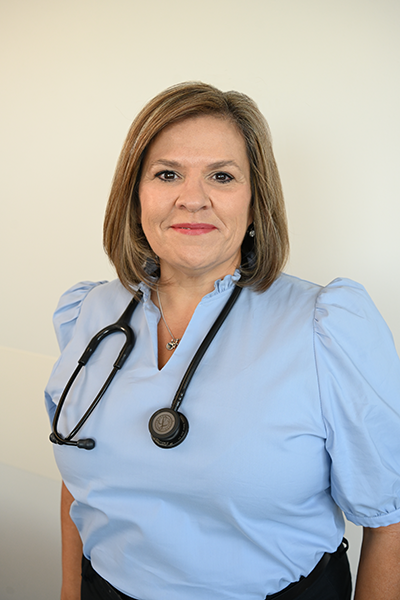
Pediatric Providers








Pediatric Services

Infant Care
Congratulations on your new addition! At your very first appointment, you can set up all the following appointments for the year, so planning for check-ups is a no-brainer.

Child Care
From daycare to preschool, little ones pick up germs just about everywhere. Book regular check-ups for growth and development, plus those sniffles along the way.

Teens & Adolescents
Growth spurts and extracurriculars come with aches and pains related to both physical and emotional health. Your health care will begin to address these areas.
Find a Pediatric Doctor in 3 Easy Steps

1. Add to Your Insurance
Contact your insurance carrier after your baby is born to add them to your plan.
2. Select a PCP
Choose a provider as your Primary Care Provider by visiting us online.
3. Call to Schedule Your Appointment
Call 817-735-2363 and help your little one feel better in no time.

Our Patients Are Saying…
★ “Dr. Goodrich listens to the parent and explains everything very well. She cares about the kids and is an amazing doctor.“
★ “If I can rate Dr. Bui she would get 1000. She is an amazing, compassionate doctor who not only is relatable but actually cares for her patients. The medical student was also amazing and great with my kids. He will for sure be a great doctor, he had lots of patience with my kids and also was very knowledgeable.“
★ “Dr. Matches is amazing with my twins! She’s patient, listens to all my concerns, and always tells me that I’m a great mother and taking great care of my kids!“
Finding Care
Finding the right pediatric doctor is one of the most important choices you will make for your child’s health. A trusted doctor helps guide your child from newborn visits through teen checkups, vaccines, and sick visits. When choosing, parents often consider these factors:
- Location and convenience
- Look for a pediatric clinic near your home, school, or community center.
- Families with busy schedules often prefer nearby pediatricians who offer acute appointments and someone available after hours to answer questions.
- Experience and qualifications
- Licensed pediatric doctors are trained to care for children of all ages.
- Ask about board certification, years in practice, and any special training in newborn or adolescent care.
- Range of services
- Pediatric primary care should cover routine checkups, immunizations, sports physicals, and sick visits.
- Many families also need help with growth tracking, school forms, or flu shots.
- Communication and trust
- Parents often value a doctor who explains things clearly and answers questions with patience.
- Bilingual support in English and Spanish can help families feel more comfortable.
- Insurance and cost
- Check if the clinic accepts Medicaid, CHIP, or private insurance.
- Check with your insurance to make sure UNT Health providers are in-network with your plan.
In conclusion, choosing the right pediatric doctor means finding a provider who offers trusted care, clear communication, and convenient access for your family. Contact us today in order to schedule your child’s first visit with our pediatric team.
Before your child’s first visit, having the right paperwork ready makes the appointment smoother. Most pediatric clinics ask parents to bring:
- Identification
- Parent or guardian photo ID
- Your child’s medical record if transferring care from another doctor’s office
- Insurance details
- Medicaid, CHIP, or private insurance card
- Any referral forms if required by your plan
- School or daycare forms
- Physical exam forms often required by schools, camps, or sports teams – bring any forms you need signed by the doctor to your appointment
- Special health plans if your child has ongoing medical needs
Bringing these documents helps your pediatric doctor understand your child’s health and provide the right care from the start. You can also complete your pre-visit check-in online before your appointment. You will receive an email and text message with a link to your Phreesia pre-visit check-in before your scheduled appointment.
As a result, preparing your paperwork before your first visit ensures your child receives timely care without delays. Contact us today in order to schedule your child’s first pediatric appointment.
Well-child visits provide parents with a regularly scheduled opportunity to learn about their child’s health and well-being.
During a well-child visit, your doctor will:
- Complete a history and conduct a nutritional screening
- Perform a physical exam
- Track your child’s growth, development, and behavior milestones
- Vaccinate your child according to the recommended vaccine schedule
- Perform blood tests, if needed
- Discuss illness prevention, nutrition and physical fitness, and health and safety issues
- Discuss how to handle emergencies and sudden illness
In conclusion, following the recommended pediatric checkup schedule helps keep your child healthy from birth through adolescence. Contact us today in order to schedule your child’s next well visit with our pediatric team.
Pediatric Checkups and Preventive Care
Regular checkups, often called well visits, are essential for keeping children healthy. These visits allow a pediatric doctor to track growth, provide immunizations, and answer parent questions. Following a set schedule helps ensure your child stays on track from newborn to teen years.
- Newborn to 1 year
- First visit within the first week of life
- Checkups at 1, 2, 4, 6, 9, and 12 months
- Doctors monitor feeding, sleep, growth, and developmental milestones
- Toddler years (1 to 3 years)
- Visits at 15, 18, 24, and 30 months
- Emphasis on speech, motor skills, and early social development
- Immunizations updated, including flu shots
- Preschool and early school age (3 to 6 years)
- Yearly visits starting at age 3
- Vision, hearing, and dental checks often added
- School physicals completed during this time
- School age to adolescence (6 to 18 years)
- Annual visits with a pediatric primary care doctor
- Focus on growth, nutrition, physical activity, and mental health
- Sports physicals and vaccines, including Tdap, HPV, and meningococcal
During these visits, parents can ask about behavior, learning, and overall wellness. The pediatrician may also provide guidance on safety, sleep, and screen time. Same-day appointments may be available for sick visits, but your pediatrician will schedule regular well visits in advance to ensure you stay on track.
In conclusion, following the recommended pediatric checkup schedule helps keep your child healthy from birth through adolescence. Contact us today in order to schedule your child’s next well visit with our pediatric team.
A pediatric well visit gives parents the chance to track their child’s growth, update immunizations, and ask important questions. These routine appointments are designed to support healthy development from infancy through adolescence.
- Growth and development checks
- Height, weight, and head circumference for babies and toddlers
- Body mass index (BMI) for older children
- Monitoring motor skills, language, and social milestones
- Physical exam
- Listening to heart and lungs
- Checking ears, eyes, mouth, and skin
- Reviewing reflexes, strength, and coordination
- Immunizations
- Vaccines recommended by the American Academy of Pediatrics are given on schedule.
- Common updates include flu shots, boosters, and catch-up vaccines if needed
- Screenings
- Vision and hearing checks
- Developmental or behavioral screenings based on age
- Blood pressure, cholesterol, or anemia tests when appropriate
- Guidance for parents
- Nutrition, sleep routines, and physical activity
- School readiness, screen time, and safety at home
- Answers to parent questions about growth, learning, or behavior
- Paperwork and forms
- Completion of school, daycare, camp, or sports physical forms
- Updates to medical records for continuity of care
Well visits also create time for open conversations. Parents can ask about behavior changes, learning concerns, or social challenges. Pediatric doctors use these visits to build long-term relationships with families, ensuring care is personalized and consistent.
As a result, scheduling regular pediatric well visits ensures your child’s health is monitored and supported at every stage. Contact us today in order to book your child’s next well visit.
Pediatric checkups are more than just routine exams. They include important screenings that help doctors track your child’s growth and catch issues early. These screenings change as your child gets older but always focus on supporting healthy development.
- Growth and development
- Height, weight, and body mass index (BMI) tracked over time
- Head circumference in infants
- Developmental milestones such as speech, motor skills, and social interaction
- Vision and hearing
- Vision checks usually begin around age 3
- Hearing tests often start in infancy and are repeated as needed
- Early detection helps support school readiness
- Behavioral and emotional health
- Screenings for anxiety, depression, or behavioral challenges as children grow
- Questions about school performance and social adjustment
- Referrals for counseling or support services if needed
- Immunizations and preventive care
- Flu shots and catch-up vaccines are reviewed at each visit
- Pediatricians confirm children are on schedule with the CDC and AAP vaccine guidelines
- Chronic conditions and risk factors
- Blood pressure checks start at age 3
- Cholesterol, anemia, or lead testing may be ordered depending on risk
- Nutrition and food security reviewed, with local food resources offered if needed
- Special screenings
- Autism spectrum disorder screening at 18 and 24 months
- Hearing and speech assessments if delays are noted
- Referrals to community programs for developmental support
These screenings help pediatric doctors not only prevent illness but also connect families with local resources. Whether it’s a vision referral, counseling support, or food assistance, families receive guidance tailored to their needs.
In conclusion, screenings during pediatric checkups give families peace of mind and provide early answers to important health questions. Contact us today in order to schedule your child’s next checkup.
Parents often wonder whether to call their pediatric doctor or head straight to urgent care. Knowing the difference helps families save time, reduce costs, and make sure children get the right care.
- When to see your pediatric doctor
- Routine checkups and well visits
- Acute appointments for common illnesses like ear infections, sore throats, or mild fevers
- Follow-up care after an ER or urgent care visit
- Immunizations, flu shots, and preventive screenings
- Ongoing management of asthma, allergies, or chronic conditions
- When urgent care may be the better choice
- After-hours needs when the pediatric clinic is closed
- Minor injuries like sprains, cuts that may need stitches, or simple fractures
- High fever without other severe symptoms
- Dehydration, vomiting, or diarrhea that needs prompt evaluation but is not life-threatening
- When to go to the emergency room instead
- Trouble breathing or severe asthma attack
- Head injuries or loss of consciousness
- Seizures or sudden changes in alertness
- Severe allergic reactions with swelling or difficulty breathing
- Uncontrolled bleeding or suspected broken bones with deformity
Why calling your pediatric doctor first is often best
Pediatric clinics know your child’s history, vaccinations, and past visits. This helps doctors give better advice and avoid unnecessary urgent care trips. Many pediatric clinics also keep same-day appointments for sick visits, saving families time and money compared to urgent care.
As a result, knowing when to see a pediatric doctor, visit urgent care, or go to the ER ensures your child gets safe and timely care. Contact us today in order to schedule a pediatric sick-visit.
Yes, many pediatric doctors, including our pediatric specialists at UNT Health, now offer virtual or telehealth visits for common illnesses. These appointments let families connect with a trusted doctor by phone, tablet, or computer, without leaving home.
- When virtual visits work well
- Cold symptoms, coughs, or mild fevers
- Rashes or skin irritations that can be shown on video
- Stomach issues like mild nausea, vomiting, or diarrhea
- Medication refills or follow-up questions after an in-office visit
- When an in-person visit is needed
- Breathing problems or wheezing
- Ear pain or possible ear infections
- Broken bones, sprains, or injuries needing X-rays
- Severe allergic reactions or urgent emergencies
- Benefits of pediatric telehealth
- Quick access to care, especially after hours or during busy school weeks
- Reduces missed school and work time for families
- Offers privacy and convenience for sensitive questions
- Can prevent unnecessary urgent care or ER trips
Some pediatric clinics combine virtual care with in-person follow-ups if needed. For example, a doctor may start with a video call to assess symptoms, then schedule a same day appointment if an exam is required.
In conclusion, virtual sick visits give families a safe and convenient way to access pediatric care for common issues. Contact us today in order to ask about scheduling a telehealth appointment with our pediatric team.
Immunizations and Vaccines
Yes, vaccines are a routine part of pediatric checkups. A pediatric doctor will review your child’s immunization record at each well visit and provide any needed vaccines. This helps protect against serious diseases while keeping children on the recommended schedule.
- Vaccines for infants and toddlers
- Protection against diseases like measles, mumps, rubella, polio, and whooping cough
- Multiple vaccines are often given during the first 18 months of life
- Pediatric doctors ensure newborns and toddlers stay on track with the CDC schedule
- Vaccines for school-aged children
- Boosters for diphtheria, tetanus, and pertussis (DTaP)
- Chickenpox and MMR vaccines updated as needed
- Flu shots recommended yearly to protect children and families
- Vaccines for adolescents and teens
- Human papillomavirus (HPV) vaccine starting around age 11–12
- Meningococcal vaccine to prevent meningitis
- Tdap booster to maintain protection against tetanus, diphtheria, and pertussis
- Why vaccines are given at checkups
- Saves families extra trips by combining shots with scheduled well visits
- Ensures vaccines are documented in the child’s medical record
- Allows pediatricians to answer parent questions about vaccine safety and side effects
Some pediatric clinics also provide same day vaccines for sick visits if the child is well enough. Parents who miss a dose can use well visits to “catch up” on the schedule so children remain fully protected.
As a result, making vaccines part of regular pediatric checkups helps keep children healthy and communities safe. Contact us today in order to schedule your child’s next visit and vaccine update.
Yes, pediatric doctors provide catch-up vaccines if a child has missed shots. Many families fall behind due to illness, travel, or scheduling challenges. Catch-up vaccines help children stay protected and meet school or daycare requirements.
- Why catch-up vaccines are important
- Missing doses leaves children vulnerable to preventable illnesses like measles or whooping cough
- Catch-up schedules close the gap so kids can get back on track
- Pediatric doctors follow CDC and American Academy of Pediatrics guidelines to make sure no extra doses are given
- When catch-up vaccines are offered
- During routine pediatric checkups
- At sick visits, if the child is well enough for immunization
- During back-to-school and sports physicals when vaccine records are often required
- Common vaccines given on catch-up schedules
- MMR (measles, mumps, rubella)
- DTaP/Tdap (diphtheria, tetanus, pertussis)
- Varicella (chickenpox)
- Polio (IPV)
- HPV and meningococcal vaccines for teens
- Annual flu shots for all eligible ages
- How pediatric doctors make the process easier
- Review your child’s immunization record at each visit
- Create a personalized catch-up plan based on age and health history
- Answer parent questions about safety, side effects, and vaccine timing
- Provide documentation for schools, camps, or sports programs
Parents should bring any vaccine records to their child’s appointment. If records are missing, clinics can often check state immunization registries. Pediatric clinics also reassure families that it’s never too late to restart or complete a vaccine series.
In conclusion, pediatric doctors make catch-up vaccines simple and safe, ensuring children stay healthy and school-ready. Contact us today in order to schedule your child’s catch-up immunization visit.
Becoming a Patient and Insurance
Becoming a patient with a pediatric doctor is a simple process. Pediatric clinics welcome new families and guide parents through the steps to register, verify eligibility, and schedule the first visit.
- Check eligibility and insurance
- Most clinics accept Medicaid, CHIP, and private insurance
- Pediatric staff can answer questions about coverage and payment options
- Gather necessary paperwork
- Parent or guardian photo ID
- Child’s birth certificate and immunization records
- Insurance card or proof of eligibility
- School or sports forms if needed for enrollment
- Complete registration forms
- Many pediatric clinics allow families to fill out forms online before the first visit
- Clinics provide bilingual materials in English and Spanish to make registration easier
- Support staff are available to help parents complete paperwork in person if needed
- Schedule the first appointment
- Call the clinic or use online scheduling
- What to expect as a new patient
- A review of your child’s medical history, growth, and immunization record
- Guidance on the recommended checkup schedule and available services
- A chance to discuss your family’s goals and any concerns about your child’s health
In conclusion, becoming a patient with a pediatric doctor is designed to be simple and welcoming for families. Contact us today in order to register your child and schedule their first pediatric appointment.
Insurance can feel confusing, but pediatric clinics help families understand what is covered. Knowing your benefits ahead of time saves time and reduces stress when scheduling your child’s visit.
- Check your insurance card and plan documents
- Most insurance cards list whether you need to choose a primary care provider (PCP)
- Plan documents outline covered services like well visits, vaccines, and sick visits
- Medicaid and CHIP programs include pediatric care as a core benefit
- Contact your insurance provider
- Call the number on your insurance card and ask about pediatric coverage
- Questions to ask:
- Are well child visits covered at no cost?
- Which vaccines are included?
- What is the copay for sick visits?
- Is this pediatric doctor in my network?
- Ask the pediatric clinic directly
- Clinic staff can confirm if they accept your plan, including Medicaid or CHIP
- Bilingual staff are often available to help parents understand their options
- What if you don’t have insurance?
- The UNT Health Pediatric Mobile Clinic offers low-cost or no-cost visits for uninsured children
- Families may qualify for state programs like CHIP or local assistance programs
- Community partners can connect parents to food, counseling, or social support if financial stress affects care
Knowing what your insurance covers ensures children receive timely care, vaccines, and screenings without surprise costs. Pediatric staff are trained to guide parents step by step, whether they have private insurance, Medicaid, CHIP, or no coverage.
As a result, checking your insurance coverage in advance helps you plan for your child’s health needs with confidence. Contact us today in order to verify your benefits and schedule a pediatric appointment.
Yes, many pediatric doctors, including UNT Health accept Medicaid and the Children’s Health Insurance Program (CHIP). These programs are designed to make sure all children, regardless of family income, can receive essential medical care.
- What Medicaid and CHIP cover
- Well child visits, checkups, and preventive screenings
- Vaccines recommended by the CDC and American Academy of Pediatrics
- Sick visits, chronic condition management, and follow-up care
- Vision, dental, and hearing services in many cases
- Why acceptance matters
- Families can access care without high out-of-pocket costs
- Medicaid and CHIP help cover children who are uninsured or underinsured
- Pediatric doctors familiar with these programs guide families through eligibility and benefits
- How to confirm your coverage
- Call the pediatric clinic and ask if they accept Medicaid and CHIP
- Bring your child’s insurance card and enrollment information to the first visit
- Clinic staff can often help verify coverage or assist with renewal if needed
- What if you don’t have coverage yet?
- Families may qualify to apply at any time, not just during open enrollment
- Community partners and local clinics can connect you with application support
- While waiting for approval, some pediatric clinics may offer low-cost or sliding-scale services to ensure children don’t miss care
Pediatric doctors want families to feel supported and confident that children will get the care they need, regardless of financial situation. With Medicaid and CHIP accepted at many pediatric offices, parents can focus on their child’s health instead of worrying about costs.
In conclusion, Medicaid and CHIP make pediatric care accessible for families across Texas. Contact us today in order to confirm coverage and schedule your child’s next visit.
Switching to a new pediatric doctor is a common decision for families seeking more convenient care, better communication, or a clinic that accepts their insurance. The process is straightforward when you take it step by step.
- Confirm your new pediatric clinic accepts your insurance
- Call the office to verify they take Medicaid, CHIP, or your private insurance plan
- Ask if they are accepting new patients and what paperwork is required
- Request your child’s medical records
- Contact your current pediatric doctor’s office and ask for a copy of your child’s records
- Records usually include growth charts, immunization history, lab results, and past visit notes
- You may need to sign a release form allowing records to be transferred
- Schedule your first visit with the new pediatric doctor
- Bring your child’s immunization record and any school or sports forms
- Provide updated insurance cards or proof of coverage
- Use this visit to ask questions and ensure the doctor is a good fit for your family
Steps for Changing a Pediatric Doctor
- Notify your old clinic if needed
- Some insurance plans require that you formally update your child’s primary care provider
- Updating this ensures coverage is applied correctly for future visits
- Support for families during transition
- If you need help with paperwork, many clinics provide bilingual staff to assist
- Local resources such as Navigate Life Texas offer guidance for parents seeking new care options
- UNT Health also provides resource guides to connect families with counseling, nutrition, and other community services
Switching pediatric doctors should not interrupt your child’s care. With proper planning, you can ensure a smooth transition and continued support for your child’s health.
As a result, switching to a new pediatric doctor is easier than most families expect. Contact us today in order to transfer records and schedule your child’s first appointment with our pediatric team.
Location
855 Montgomery St.
Health Pavilion, 1st Floor
Fort Worth, TX 76107
817-735-2363
Clinic Hours
Monday – Friday
8 a.m. – 5 p.m.
Appointments
Give us a call at 817-735-2363 or click here to schedule an appointment.