
Adam Meyer selected as TCOM’s Student Researcher of the Year
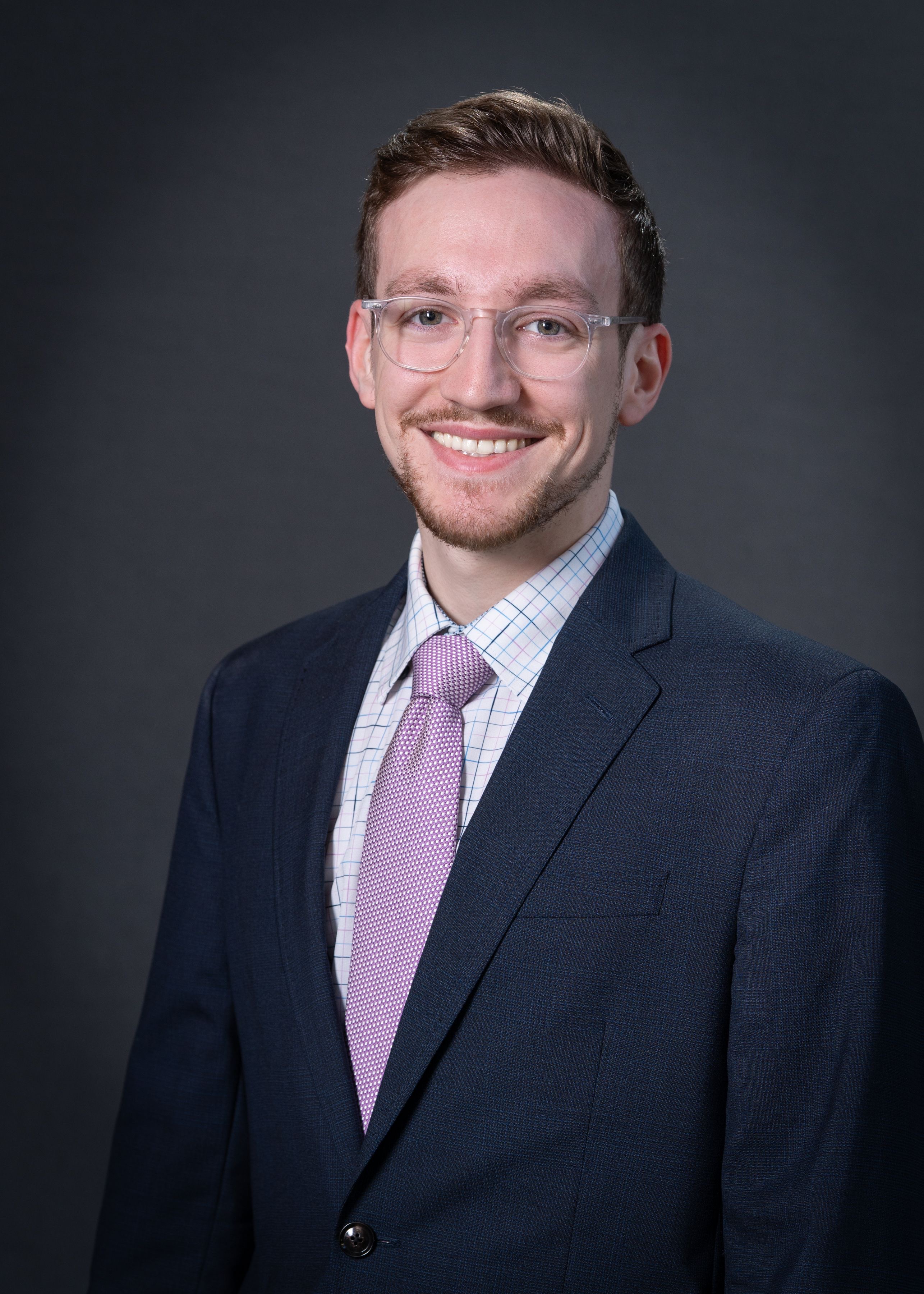 An architectural engineering degree, a passion for plastic and reconstructive surgery,
multiple research publications, and now Adam Meyer has one more award to add to his
resume: Student Researcher of the Year. The third-year student at UNT Health Fort
Worth’s Texas College of Osteopathic Medicine was chosen as TCOM’s Student Researcher
of the Year.
An architectural engineering degree, a passion for plastic and reconstructive surgery,
multiple research publications, and now Adam Meyer has one more award to add to his
resume: Student Researcher of the Year. The third-year student at UNT Health Fort
Worth’s Texas College of Osteopathic Medicine was chosen as TCOM’s Student Researcher
of the Year.
“I was really excited when I found out the news, it was just awesome,” Meyer said. “I feel like I’ve tried to do as much as I can in medical school, in leadership aspects, and my classmates have been so supportive. My goal is to also give other students the same experience that I’ve had.”
The award is presented to the medical student who shows a commitment to and leadership in advancing osteopathic research and their professional development. They are also to embody the osteopathic philosophy of prevention and wellness in promoting the body’s ability to regulate and heal itself. Meyer, TCOM’s Medical Student Government Association vice president, was chosen from a field of 17 students who were nominated for the award.
Research was always an interest for Meyer, but much to his chagrin, as an undergrad with an engineering major, the opportunities to get into a research lab were difficult. Once he arrived at TCOM, the doors started opening. He was in Dr. John Licciardone’s Summer Program in Clinical Research and later had a publication based on research done in that summer program.
He also connected with the University of Texas Southwestern research professor and director of facial reconstruction, James Thornton, MD, FACS, who has been a key mentor for Meyer as he has been doing research with him since 2024. His passion for plastic and reconstructive surgery came as a volunteer at Methodist Dallas Medical Center. Right after finishing his first semester in undergrad, he had the opportunity to observe a very complex reconstruction case in the OR.
“I watched as they took the fibula bone to reconstruct the jaw for a cancer reconstruction,” Meyer said. “It was amazing to see, and that’s when I realized that plastic and reconstructive surgery was the best of everything. It’s still engineering because you have to have design meetings, pick out how they are going to use the bone, use 3D printing models, and also, there is the medicine aspect and treating the person. I love that more than just the experience of creating a building, because here you are treating the person.”
Meyer’s research with Dr. Thornton included conducting a comprehensive literature review on hyperbaric oxygen therapy and creating a CME on hyperbaric oxygen and its use in plastic surgery. He assisted in post-Mohs reconstruction surgeries such as paramedian forehead flaps, BTM placements, grafting, breast, and cheek reconstructions. Since arriving at TCOM in 2023, Meyer has given 10 presentations at a variety of conferences locally and nationally.
Meyer is planning on taking his research to another level in the upcoming year by taking a gap-year off to do research before starting his fourth-year of medical school.
“I’m going to do purely research, specifically for plastic surgery programs,” Meyer
said. “I have a giant spreadsheet of programs around the nation, and I’m looking forward
to interviewing with them.”
After his research year, Meyer is hoping for a residency in plastic and reconstructive
surgery, which is what motivated him to get into medicine. There are DOs in the field
of plastic surgery, but the new integrated route through residency does make it more
difficult for osteopathic physicians.
“I hope that I can be one of the people who can break through the barrier,” he said.
“There are a lot of DO plastic surgeons, but this last year, only one DO student matched
into the new pathway.”
Barriers or not, you can count on Meyer to construct a way.