
Pictures worth more than words: CPH’s inaugural Writing Lab unites UNT Health and the Fort Worth community
Earlier this summer, the College of Public Health at UNT Health Fort Worth hosted its inaugural Writing Lab.
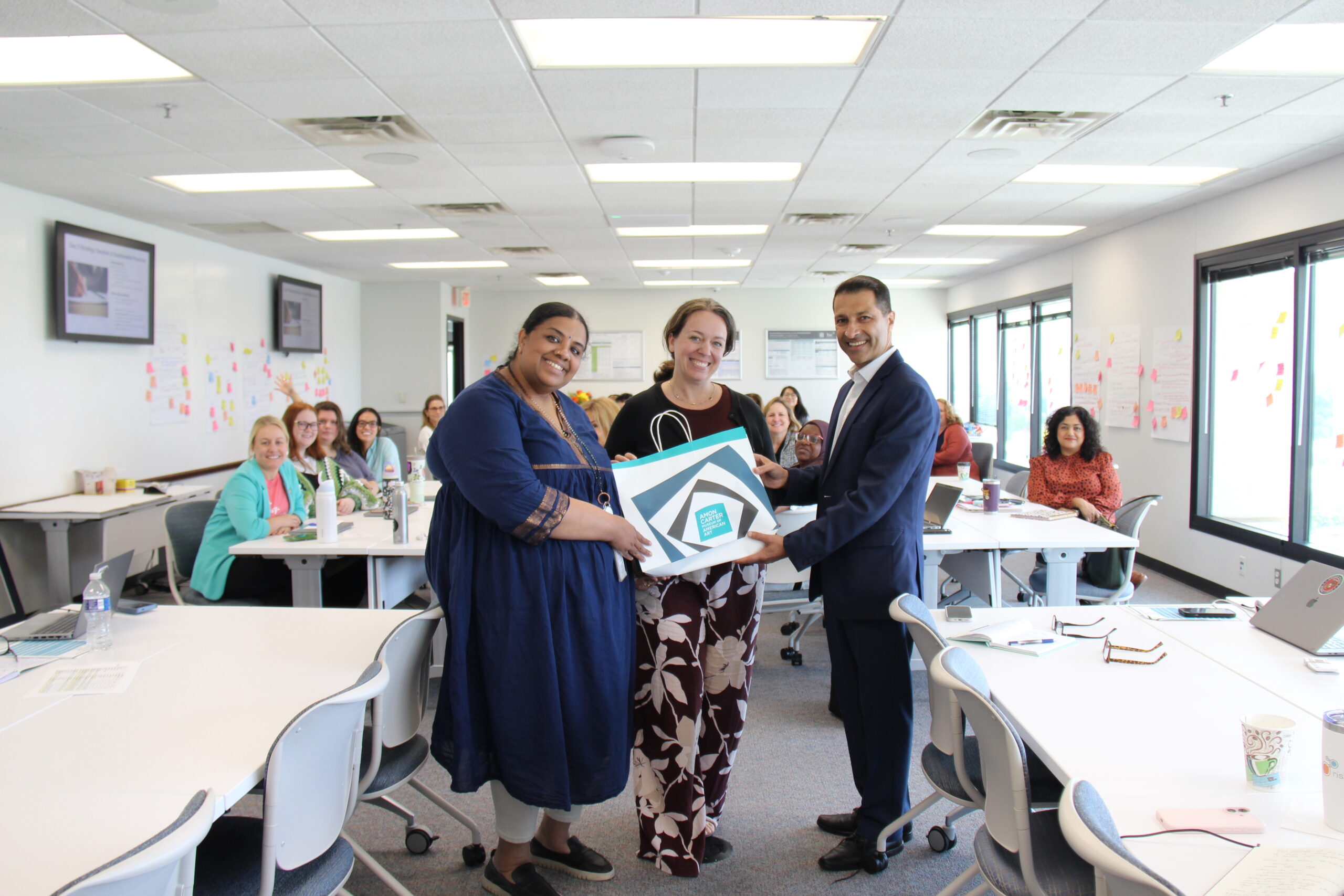 The three-day event housed within the College of Public Health was available to members
of the CPH, UNT Health and Fort Worth community. Twenty-seven participants including
UNT Health faculty, research staff, doctoral students and external community partners
joined to work on writing-based projects while receiving personalized coaching. Funded
by the CPH HIEP Council Project Award, the Writing Lab was designed to support individuals
with personal and professional writing goals.
The three-day event housed within the College of Public Health was available to members
of the CPH, UNT Health and Fort Worth community. Twenty-seven participants including
UNT Health faculty, research staff, doctoral students and external community partners
joined to work on writing-based projects while receiving personalized coaching. Funded
by the CPH HIEP Council Project Award, the Writing Lab was designed to support individuals
with personal and professional writing goals.
Writing has become a central practice in healthcare. It is how research findings are disseminated, public health policies are shaped, resources are mobilized, and partnerships are maintained. Many universities and institutions across the country host writing retreats on behalf of their faculty. The College of Public Health assumed that responsibility on behalf of UNT Health, and from this inspiration, blossomed an inclusive and collaborative program.
What set the Writing Lab apart was its intentional design to bring community partners directly into academic settings, not as guests or subjects, but as equal participants and co-creators in the dissemination of public health research. While most writing retreats center faculty productivity, this initiative reimagined writing as a collective, relational act that includes those most impacted by public health work. Over the three days, participants committed their time to fulfilling their individual writing goals. The lab included private writing opportunities, individualized coaching and didactic sessions led by Dr. Christine Sharp, a professional writing coach from the University of California San Diego. Participants were asked to bring forth a writing-based assignment requiring their focus to nourish throughout the lab. A highlight of the lab was a colorful didactic with Sharp where participants described their writing commitments on a poster for all to view while other participants offered ideas and words of encouragement on sticky notes. During the session, writing participants maneuvered throughout the gallery, drawing inspiration from other’s stories and transforming solitary writing goals into a collective encouragement process.
The Writing Lab also served as a networking opportunity for all who participated.
“The connections that were made at our Writing Lab and the strengthening of our multi-sectoral partnerships allows us to collaboratively create healthier communities, in alignment with our mission,” says Dr. Shafik Dharamsi, dean of the College of Public Health.
By positioning writing as a shared, relational practice, the Writing Lab demonstrates how inclusive writing environments can enhance scholarly output, strengthen partnerships and center authentic voices in public health dissemination.
“We created the Writing Lab to disrupt the long-standing exclusion of community voices from academic dissemination,” Dr. Malinee Neelamegam, CPH assistant professor and Writing Lab creator said. Too often, community partners are central to research and implementation but sidelined when it comes to sharing the story. This initiative centers their voices and builds lasting capacity for co-authored, community-driven communication.
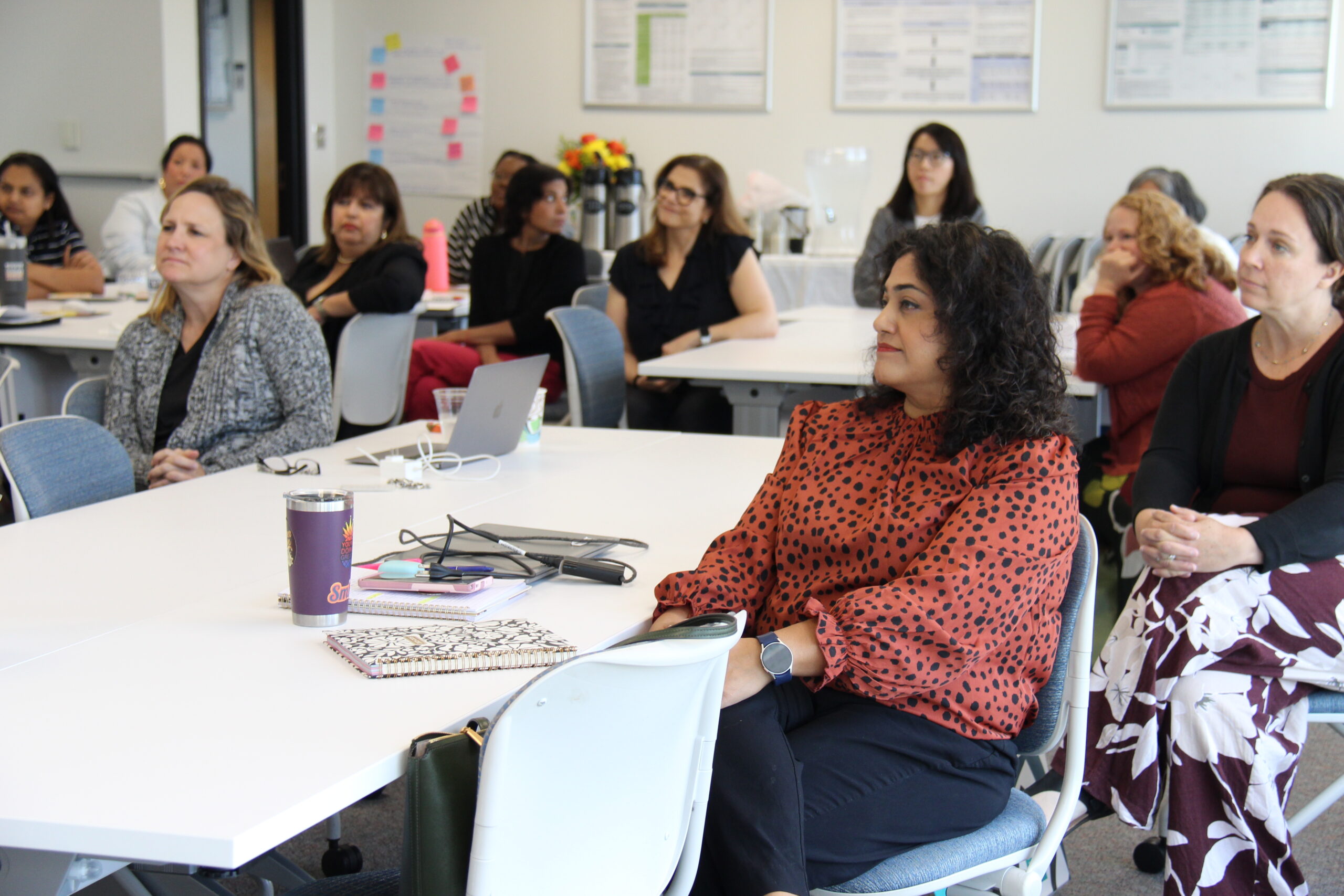 “The Writing Lab isn’t just a retreat, it’s a reimagining of who gets to write, publish
and shape public health narratives,” Neelamegam said. “Our goal is to create writing
enclaves where academic and community partners come together as equals and co-creators
of knowledge and impact.”
“The Writing Lab isn’t just a retreat, it’s a reimagining of who gets to write, publish
and shape public health narratives,” Neelamegam said. “Our goal is to create writing
enclaves where academic and community partners come together as equals and co-creators
of knowledge and impact.”
Participants emphasized how the Writing Lab enabled them to steer away from a disposition of avoidance or stagnation towards one of productivity and focus.
“These three days gave us the opportunity to embrace our inner-writer— to claim that identity so we could nourish it and write not just more effectively, but also more authentically,” said Dr. Lisako McKyer, chair of the Department of Population and Community Health in the College of Public Health. “Regardless of the role, we write more than we realize via grants, research articles, books, policy briefs or performance evaluations. So many writing products that go unnoticed or unacknowledged.”
“I look forward to the continued success of more Writing Labs under Dr. Neelamegam’s leadership,” Dharamsi said.