
Researchers at TCOM and CPH are developing treatment protocols for people with developmental disabilities
Clinical standards for providers who work with people with intellectual and developmental disabilities and substance use disorder are a blind spot for the profession, but researchers at UNT Health Fort Worth have published an article to help clinicians. Led by Kimberly Fulda, DrPH, professor in the Texas College of Osteopathic Medicine, and Scott T. Walters, PhD, regents professor in the College of Public Health, The American Journal of Drug and Alcohol Abuse published an article to better understand SUD in people with IDD and identify ways to improve treatment and improve outcomes. The narrative summary is the most comprehensive review that included articles published over 25 years.
In 2023, the Texas Council for Developmental Disabilities awarded Fulda, executive director of the North Texas Primary Care Practice-Based Research Network at UNT Health, a five-year grant to research ways to improve outcomes for people with developmental disabilities and substance use disorder. The team’s article highlights areas for improvement to identify the right training and support given to providers.

“A lot is being done, but it's not where it needs to be,” Fulda said. “There are still no practice guidelines or standardization for clinicians. That’s what we are working to develop. We want to create guidelines and training materials for providers specific to this patient population.”
Intellectual and developmental disabilities are chronic conditions that start early in life and may impact a person's ability to learn, communicate, and function independently. They can cover a wide range of conditions, including intellectual disabilities, autism spectrum disorders, cerebral palsy, and other disorders that affect developmental milestones and abilities.
The results found that the occurrence of substance use among adults with IDD appears to be lower than that of adults without IDD. People with IDD who do use substances are at increased risk of developing a SUD, and those with IDD and SUD most commonly seek care in outpatient mental health settings.
Cannabis, alcohol, and cocaine are the substances most frequently used by people with IDD, and risk factors for SUD among people with IDD include being male, having a family history of SUD, being exposed to peers who use substances, having psychiatric disorders, and having mild/borderline IDD. Estimates of co-occurring psychiatric disorders for those with IDD and SUD range from 42% to 54%.
Tracey Barnett, PhD, and chair at the UT-Health San Antonio Kate Marmion School of Public Health, is also part of the research team and noted that those with IDD are left out of research studies.
“People with intellectual and developmental disability are often not included in research studies, creating a substantial lack of information about standards of care and services,” Barnett said. “This study provides a thorough summary of the existing articles for substance use disorder among persons with IDD. Looking ahead, we hope to see more research that informs evidence-based services and treatment for this population.”
The study found factors that would improve outcomes for people with IDD and SUD include evidence-based training for treatment providers as well as individualized care that accounts for risk factors, co-morbid mental health diagnoses, and substance use. The lack of a shared common language may hinder the understanding and distribution of research and reporting for people with IDD.
Although health care providers have many effective models for working with people with mental health problems, the same guidance has not been developed for this unique population.
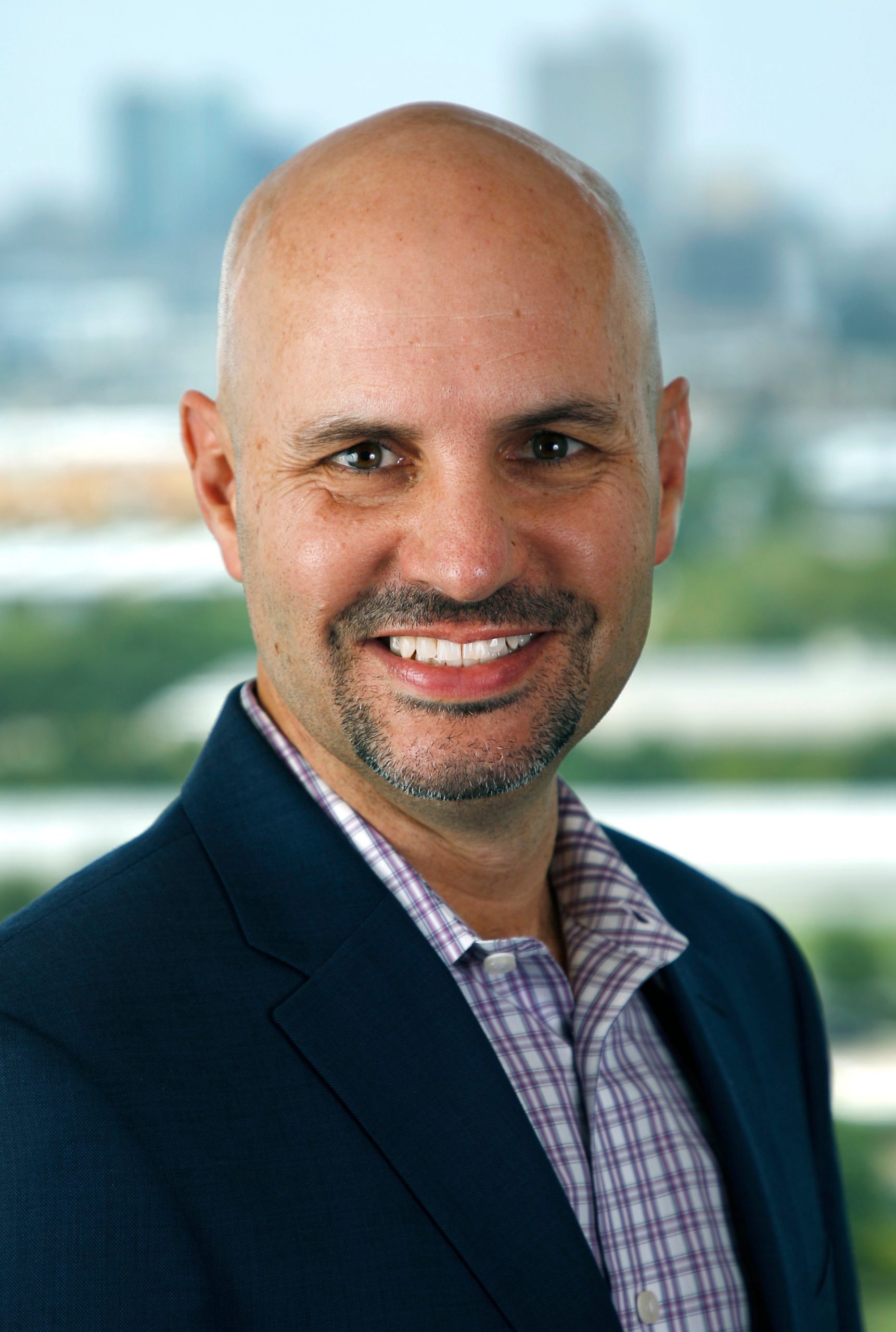
“There are a lot of guidelines for working with people with mental health disorders, but this isn’t the same thing,” Walters said. “People with an IDD typically have it at birth. They aren’t likely to get better in the same way that we treat someone with depression; it’s about managing the disorder. We have a lot of models that are working with people with mental health disorders and substance abuse, but almost nothing with people with IDD.”
The research being done by Fulda and her team is aimed at helping providers get resources and support, which the article highlights just isn’t there right now.
“The big takeaway is that providers aren’t trained, and there is no screening process," Fulda said. “If a person with IDD goes to a SUD clinic, the staff aren’t trained to screen for an IDD or provide SUD treatment that accounts for their IDD. Providers are then left to make assumptions or treat them based on observed behaviors or characteristics.”
The next steps involve putting together panels of experts and patients to develop tools to help narrow the scope of standard of care, which will take time, but the goal remains the same.
“Our funding is from the state of Texas, so clearly this is a priority for Texas to do this and to develop a standard for Texas that might be adopted nationally,” Walters said.
Along with Fulda, Walters, and Barnett, Anna Espinoza, MD, the Assistant Director of NorTex, and Cindy Abrego Lopez, MPH, Administrative Director of NorTex, and Marc Fleming, PhD, with Chapman University School of Pharmacy, contributed to the study and publication.
You can read the full text of the article here.