
UNT Health PA students tackle HIV stigma through public health campaigns
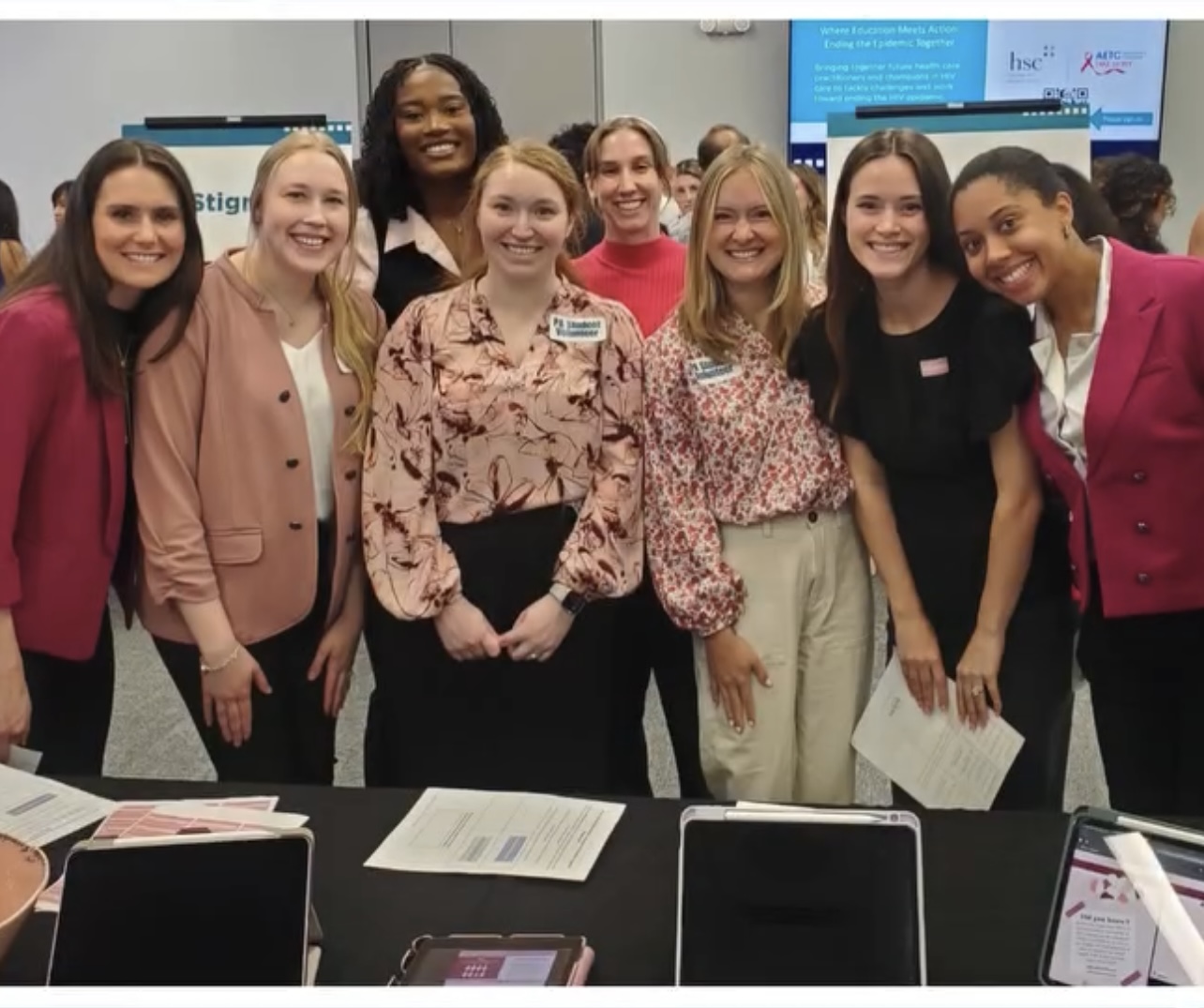 In a packed lecture hall at UNT Health Fort Worth, first-year physician assistant
students listened as Dr. Marc Johnson of JPS Health Network’s Healing Wings Clinic
delivered a frank presentation on HIV — how it is acquired, how it is treated and
how it continues to be misunderstood.
In a packed lecture hall at UNT Health Fort Worth, first-year physician assistant
students listened as Dr. Marc Johnson of JPS Health Network’s Healing Wings Clinic
delivered a frank presentation on HIV — how it is acquired, how it is treated and
how it continues to be misunderstood.
It was part of a symposium organized by PA Amanda Brosnan, an assistant professor in UNT Health’s Physician Assistant Studies program, designed to confront stigma around HIV and prepare future health care providers to treat patients living with the virus with greater empathy and understanding.
The event also featured members of BEAT HIV, a community advisory board for Tarrant County HIV Administrative Agency, who shared their experiences of living with HIV and navigating both care and societal judgment.
“Stigma is one of the biggest barriers to ending the HIV epidemic,” Brosnan said. “We want our students not only to understand the science but also to see the humanity behind the diagnosis.”
For the students, the symposium was more than a lecture. As part of the event, they developed public health awareness campaigns aimed at reducing HIV transmission and promoting prevention and treatment. Topics ranged from pre-exposure prophylaxis, or PrEP, to rapid-start antiretroviral therapy and retention in care for those living with HIV.
The results were striking. Campaigns featured TikTok-inspired videos, eye-catching infographics, and dedicated websites aimed at audiences often overlooked in HIV prevention messaging, such as women.
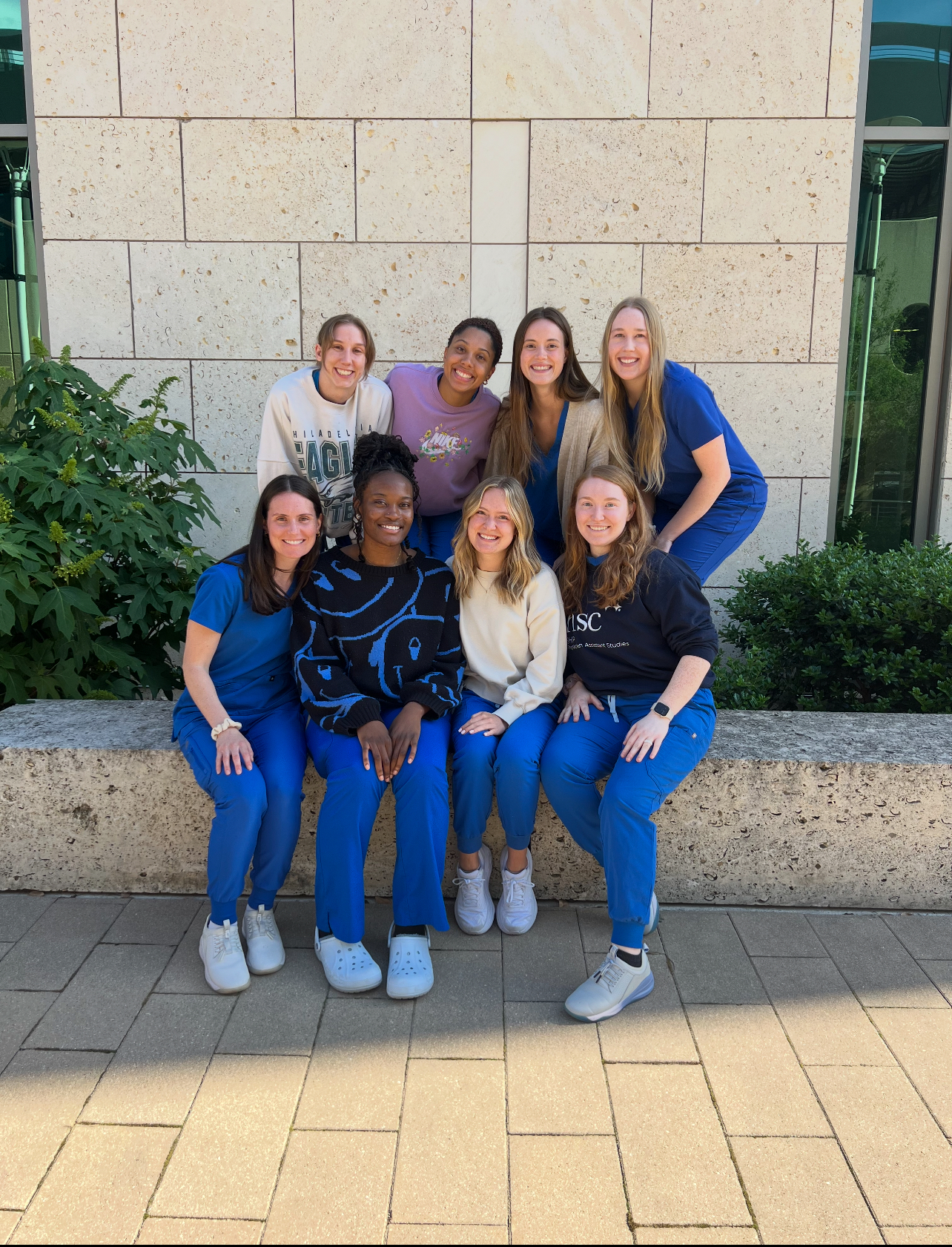
One campaign — created by students Michelle Boivin, Michelle Elumelu, Maria Moriarty, Abigail Quirl, Ciera Sanders, Camaris Terry, Jaci Walker, Harriet Young — focused on PrEP for women — a demographic that Boivin noted has been historically underserved in HIV prevention efforts. Their project included a website and a short video styled after social media trends, designed to demystify PrEP and make the information accessible.
“We wanted to show that HIV prevention is for everyone, not just men who have sex with men, who have been the traditional focus of messaging,” Boivin said.
 The student work drew high praise from community members, including panelists living
with HIV and professionals in public health. Several organizations even requested
permission to use the students’ materials in their own outreach efforts.
The student work drew high praise from community members, including panelists living
with HIV and professionals in public health. Several organizations even requested
permission to use the students’ materials in their own outreach efforts.
“To hear that community groups wanted to incorporate our campaigns was incredible,” Walker said. “It made it feel like what we created wasn’t just a class project — it was something that could have real-world impact.”
For many students, the event was transformative.
“Listening to people living with HIV talk about their experiences was powerful,” Walker said. “It reminded me that health care isn’t just about medicine. It’s about understanding people’s lives beyond their diagnosis.”
Boivin agreed, adding that the symposium underscored the importance of holistic care. “It showed me how vital it is to have resources beyond clinical care — social and community support are just as crucial for patients managing chronic conditions,” she said.
The experience has even shifted some students’ career aspirations. Both Walker and Boivin said they now plan to incorporate public health work into their future practices.
Brosnan, who has long been active in HIV education and outreach, said watching her students embrace the challenge left her deeply moved.
“I truly don’t have adequate words to describe how amazed I was,” Brosnan said. “This wasn’t just an assignment for them — it became a mission. The feedback we received from the community shows just how powerful their work was.”
PA Lauren Dobbs, chair of the Physician Assistant Studies Department, echoed that sentiment. “PA Brosnan never ceases to amaze me,” Dobbs said. “Her passion for HIV education is infectious, and she’s instilling that same commitment in our students.”
For Walker and Boivin, the event also left them with something less tangible but no less significant: a sense of purpose.
“As future providers, we’ll carry these lessons forward,” Boivin said. “If we can help reduce stigma and connect patients to the resources they need, then this experience will have done exactly what it was meant to do.”