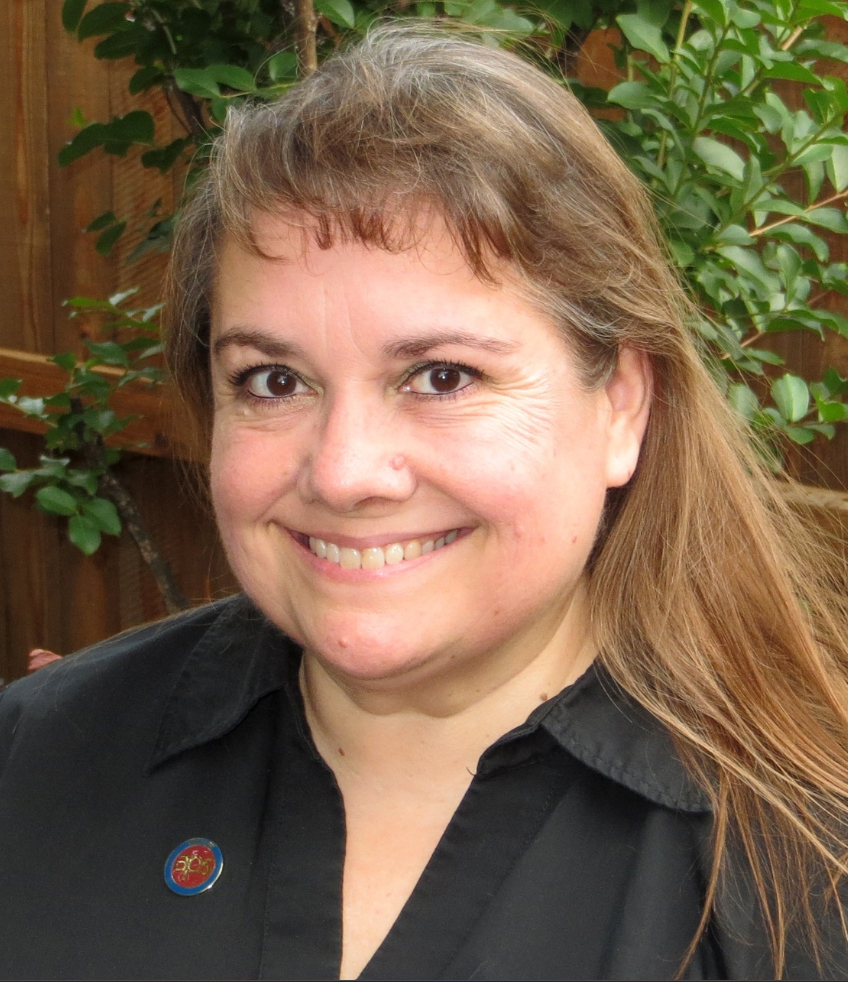
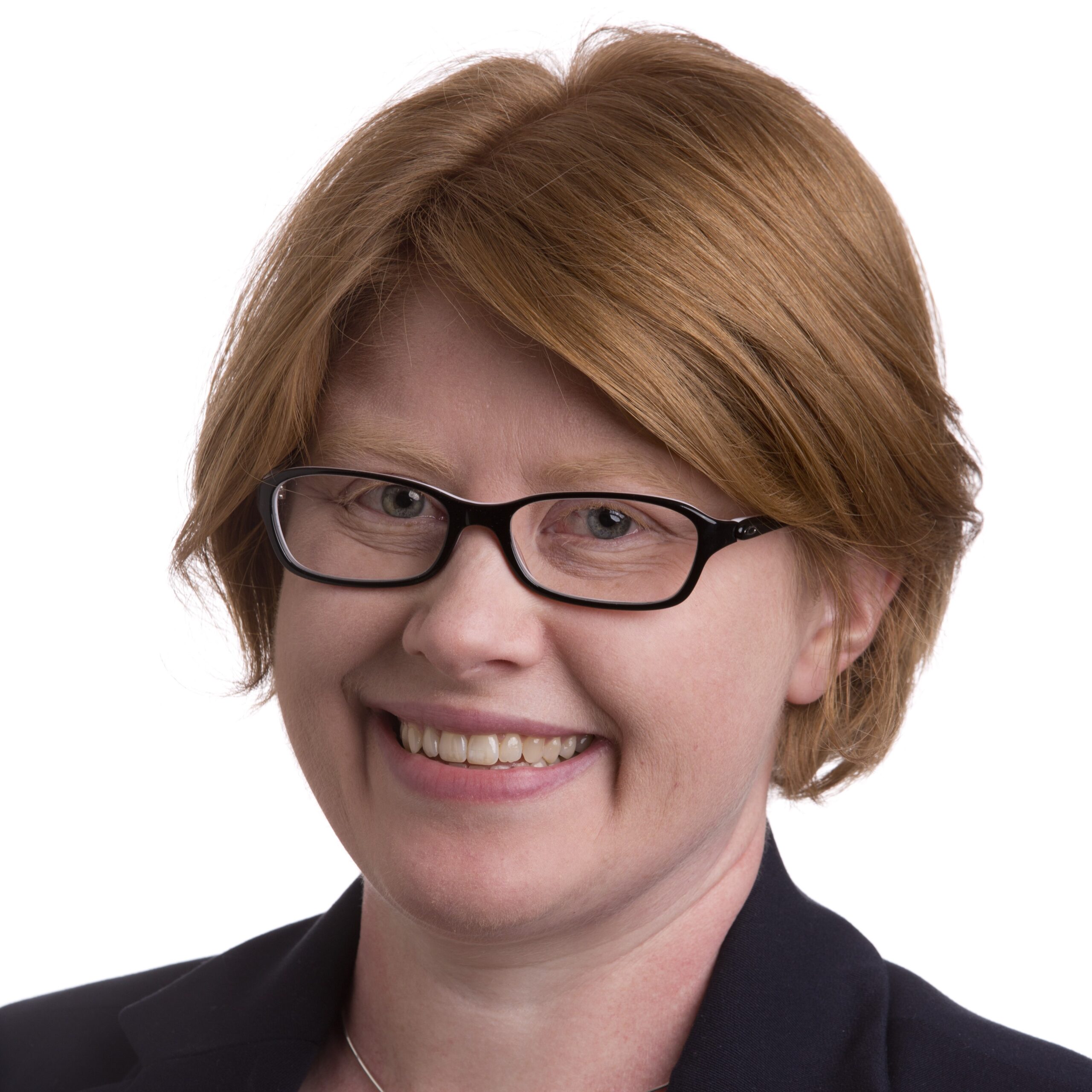
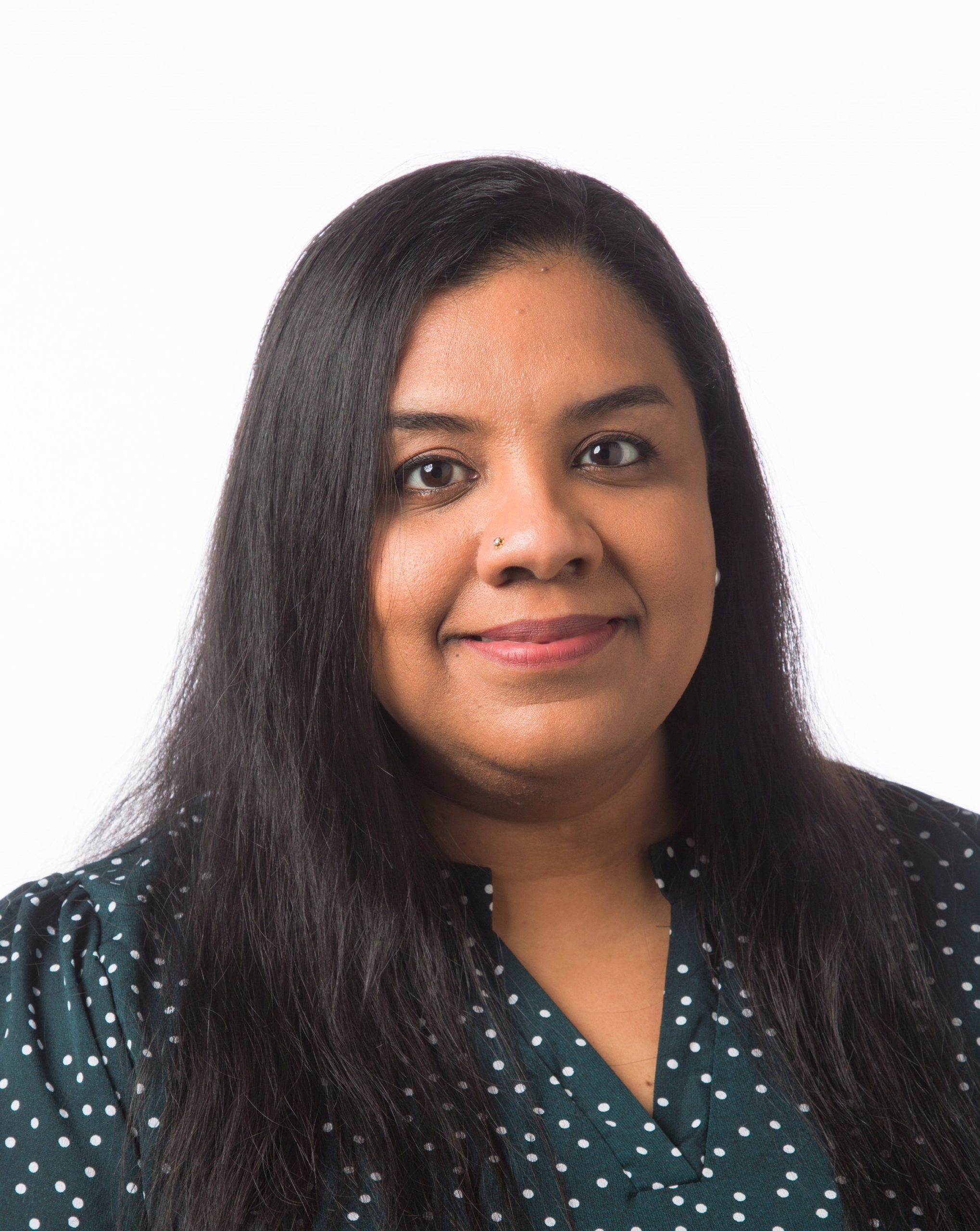
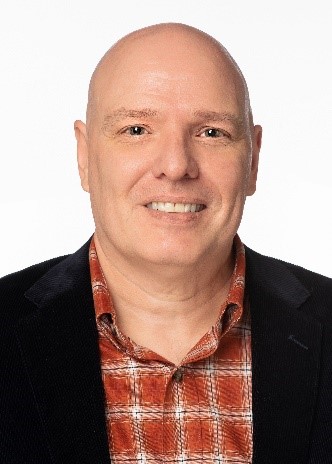
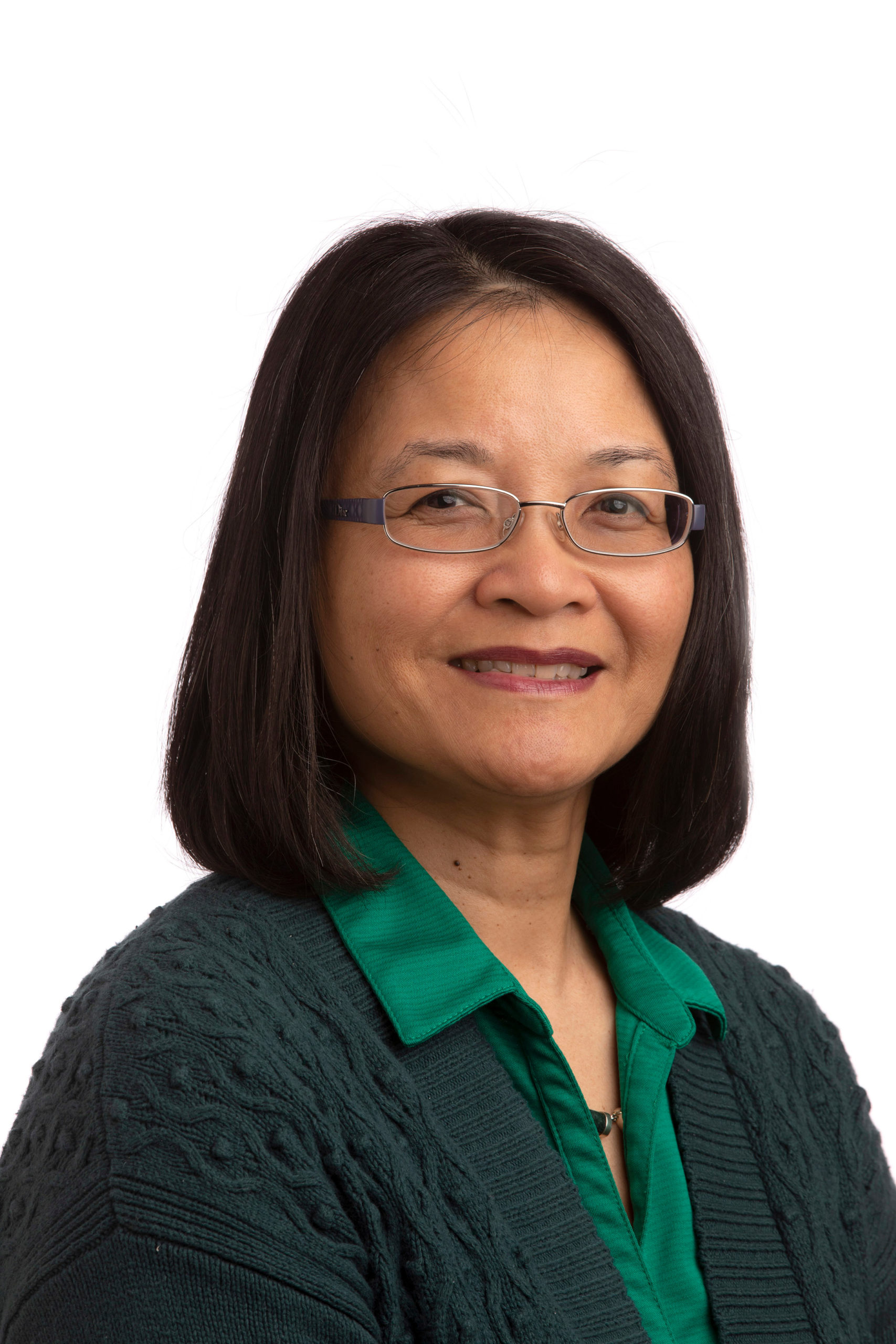
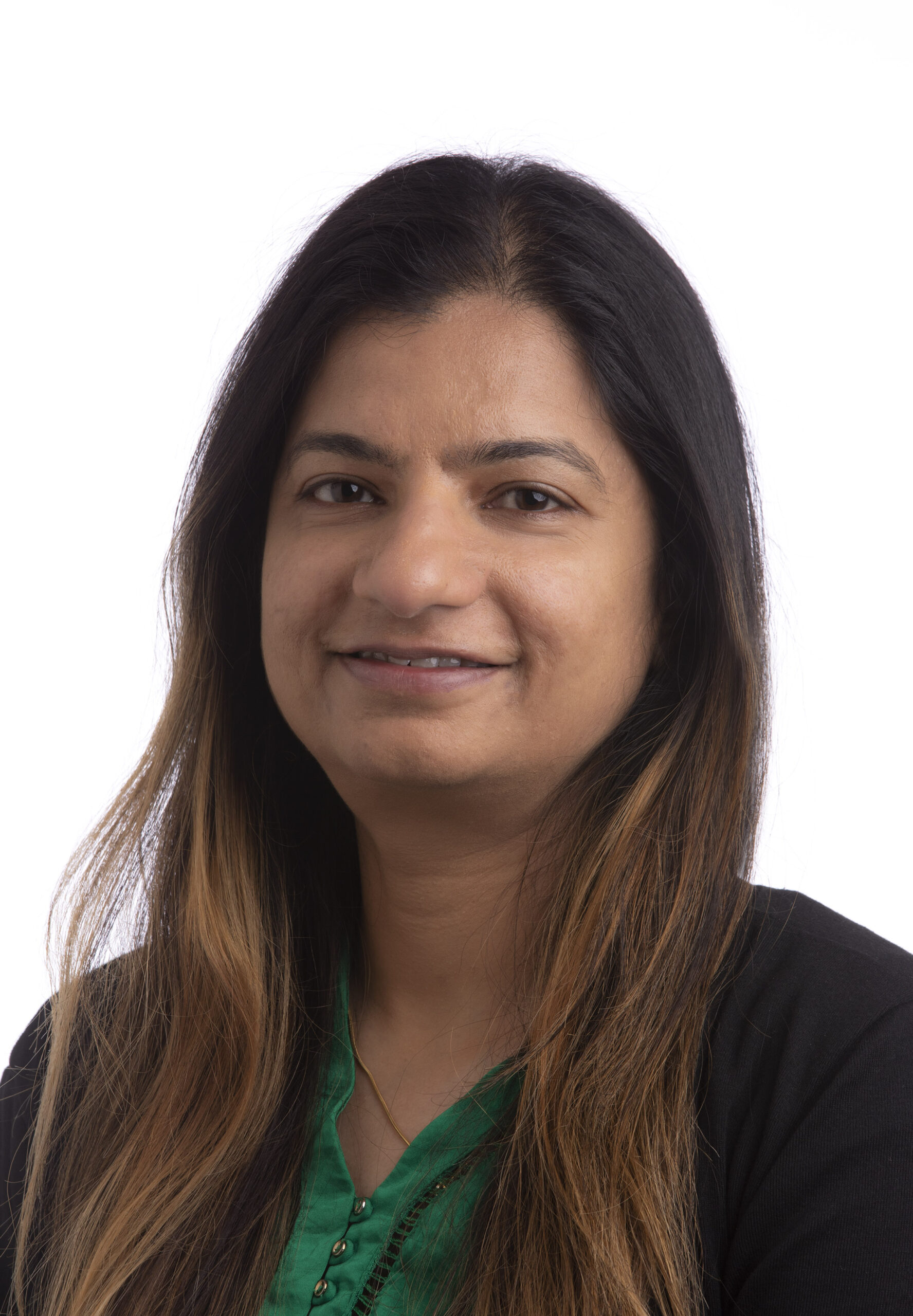
Ann Schreihofer, Ph.D. Recipient of the Bridge Grant Award
“Identifying Mechanisms and Treatments for Obesity-related Deficits in Cardiovascular
Regulation and Cognition”
Bio: Dr. Schreihofer’s lab studies how the brain and autonomic nervous system contributes
to the regulation of blood pressure in healthy and disease states using rodent models
of hypertension, obesity, and chronic intermittent hypoxia. She recently showed how
pre-diabetic elevation of blood glucose in young adult male obese Zucker rats impairs
short-term regulation of blood pressure by baroreflexes, which increases the variability
of blood pressure and risk of stroke. At this age, fasting blood glucose is still
normal, but treatments to normalize elevated glucose with access to food provide significant
improvement in the control of blood pressure, highlighting the importance of re-assessing
benchmarks for initiation of treatments. In contrast, as seen with pre-menopausal
obese women, young adult female obese Zucker rats maintain normal glucose levels,
and later development of impaired baroreflexes occurs by other mechanisms. These
studies highlight important sex differences in the development of disease states and
illustrate that seemingly similar deficits may occur by different mechanisms that
require distinct treatments in males and females. Recently, Dr. Schreihofer’s lab
has begun studies to examine how obesity and metabolic syndrome contribute to development
of cognitive decline. In a 2024 publication, her lab showed time courses for development
of histological markers in specific brain regions associated with dementia along with
the onset of deficits in spatial learning and memory in male obese Zucker rats.
Current Project: The goal of our ongoing research is to determine which traits of metabolic syndrome
coincide with the development of dementia-related neuronal changes within the brain
and impaired learning and memory in males and whether females are protected from these
changes in early stages of metabolic syndrome. We aim to determine whether early
treatment of elevated blood glucose in males will prevent or delay onset of these
dementia-related changes to highlight the importance of reevaluating the threshold
for initiation of treatment and using a holistic approach to assessing and treating
traits of metabolic, cardiovascular, and cognitive functions.
Caroline Rickards, PhD Recipient of the Bridge Grant Award
“Pulsatile Perfusion Therapy: Advancing Oscillatory Blood Flow as a Therapeutic Approach
to Treat Cerebral Ischemia and Hypoxia”
Bio: Dr. Caroline Rickards is a Professor in the Department of Physiology & Anatomy at
UNT Health Fort Worth (UNTHSC) in Fort Worth, Texas in the USA. Dr. Rickards is originally
from Australia, and she received her PhD from RMIT University in Melbourne. She was
a postdoctoral fellow at the US Army Institute for Surgical Research, and a Research
Assistant Professor at the University of Texas at San Antonio before joining UNT Healthin
2012. Dr. Rickards, and her trainees in the Cerebral & Cardiovascular Physiology Laboratory, focus on the regulation of brain blood flow and oxygenation during stressors that
challenge cerebral perfusion such as traumatic hemorrhage, cardiac arrest, and stroke.
Her team has a unique translational approach to this research, employing both human
and animal models of cerebral hypoperfusion, and developing novel interventions to
treat these conditions. This work has been supported by grants from the American Heart
Association, the US Department of Defense, and the National Institutes of Health.
Dr. Rickards is a Fellow of the American Physiological Society (APS), and is Chair
of the Cerebrovascular Research Network (CARNet).
Current Project: We have invented a novel therapeutic approach called Pulsatile Perfusion Therapy that
shows promise in protecting the brain from acute hypoperfusion (e.g., with blood loss,
stroke, and cardiac arrest). Pulsatile Perfusion Therapy applies pulsatile pressure
to the lower body at 0.1 Hz (10-s cycle), inducing oscillations in arterial pressure
and blood flow at the same frequency. Under conditions of acute cerebral hypoperfusion
in young healthy humans, this technique protects frontal lobe cerebral tissue oxygenation
(assessed via near infrared spectroscopy, NIRS), while cerebral blood flow is not
affected (indexed by ultrasound-derived measurements). However, these techniques are
spatially limited to examining tissue oxygen in specific regions of the brain, or
cerebral blood velocity or flow in specific blood vessels perfusing the brain. Furthermore,
we have not examined responses to Pulsatile Perfusion Therapy in older individuals,
who are known to have lower resting cerebral blood flow and impaired vascular function.
In this REAP Bridge Grant, we will: 1) demonstrate that our method of Pulsatile Perfusion
Therapy can be implemented within the MRI environment, and; 2) recruit and test cohorts
of young (18-40 y) and older (≥ 60 y) healthy adults to systematically examine how
Pulsatile Perfusion Therapy changes cerebral fluid dynamics (i.e., arterial and venous
blood flow, and cerebrospinal fluid (CSF) flow), and global and regional tissue oxygenation
during acute cerebral hypoperfusion. This work is an essential step for future investigations
of Pulsatile Perfusion Therapy in clinical conditions of acute (e.g., hemorrhage,
stroke, cardiac arrest) and chronic (e.g., sepsis, Alzheimer’s disease, vascular dementia)
cerebral hypoperfusion. The data collected from this study will be used to support
a NIH R01 resubmission, planned for 2025.
Malinee Neelamegam, PhD Recipient of the New Investigator Award
“Exploring the Burden of Cognitive Impairment in Older Asian Indians ”
Bio: Dr. Neelamegam is an Assistant Professor of Epidemiology at the Department of Population
and Community Health at the School of Public Health, UNTHSC. She received a Bachelor’s
degree in Biomedical Sciences from the National University of Malaysia. At the University
of South Florida as a Fulbright Scholar, she completed the MPH degree in Epidemiology
and Global Health Practice and the PhD degree in Epidemiology. Prior to joining the
UNT Healthfaculty, she completed a two-year postdoctoral fellowship at the Yale School
of Public Health as a Fogarty Global Health Equity Scholar, where focused on understanding
aging in people living with HIV in Malaysia. Dr. Neelamegam’s research is focused
on understanding successful aging in populations that face health disparities and
strengthening aging research through implementation science. Her current areas of
research include understanding aging in people living with HIV, and the impact of
social determinants of health and adverse life experiences on aging in immigrant populations.
Current Project: The research goal for Dr. Neelamegam’s study, “Exploring the Burden of Cognitive Impairment in Older Asian Indians,” aims to investigate the prevalence of neurocognitive impairment and identify associated
psychosocial risk and protective factors, including social isolation and acculturation
stress, in older Asian Indian immigrants in the U.S. This pilot study will provide
foundational data necessary for designing targeted interventions that address the
unique aging trajectories of this population, ultimately contributing to culturally
tailored strategies to mitigate cognitive decline and support healthy aging within
minority communities.
Gregory Dick, Ph.D. Recipient of the New Investigator Award
“Role of potassium as a coronary metabolic vasodilator ”
Bio: Dr. Dick received a Bachelor of Science degree in Physiology from Oklahoma State University
and a Ph.D. in Physiology from the University of Missouri. He performed postdoctoral
research at the University of Nevada. Dr. Dick studies mechanisms of coronary vasodilation,
including dilation in response to metabolic, ischemic, and paracrine stimuli. These
studies encompass mechanisms of coronary vascular regulation in health and disease,
including obesity, metabolic syndrome, and heart failure.
Current Project: “Role of potassium as a coronary metabolic vasodilator” The aims are: 1) To quantify
the magnitude of K+-induced coronary vasodilation. Exogenous K+ will be added to coronary arterial blood while cardiac rate and work are at baseline
levels. We will determine the correlation between the concentration of K+ in coronary venous blood and the degree of vasodilation. 2) To quantify coronary
venous K+ during physiologically-relevant increases in cardiac work (i.e., dobutamine infusion)
and use a model to estimate the interstitial concentration of K+ as myocardial oxygen consumption and coronary flow increase. The goal is to apply
for an NIH R01 to perform a rigorous study testing the hypothesis that K+ is a feed-forward vasodilator by applying 4 criteria (akin to Koch’s postulates)
for defining a local metabolic mechanism of flow control.
Uyen-Sa D. T. Nguyen, DSc, MPH Recipient of the New Investigator Grant Program
“The Viet-American National Databank Pilot Study”
Bio: Dr. Nguyen received a Bachelor of Science degree in Biology from the University of
Michigan, a Master of Public Health in Epidemiology and Biostatistics, and a Doctor
of Science degree in Epidemiology from the Boston University Department of Public
Health. She has experience conducting or collaborating on epidemiologic studies on
topics ranging from perinatal to geriatric epidemiology, both within the U.S. and
at international institutions. Her areas of interest include aging research, and examining
pain, function and quality of life in people with rheumatic diseases, diabetes, and
other chronic conditions. She also seeks to understand factors associated with health
disparities in marginalized, underserved and underrepresented populations, particularly
in Vietnamese Americans.
Current Project: “The Viet-American National Databank Pilot Study” The aims are: to translate, validate,
and pre-test linguistically and culturally appropriate questionnaires; and to pilot-test
these questionnaires in a sample of Vietnamese Americans with rheumatic conditions
living in Texas and California, two states with the highest concentrations of Vietnamese
speakers outside of Vietnam. With this Pilot data, we hope to apply for and receive
R01-type funds to enroll a large cohort of Vietnamese Americans with rheumatic diseases
to examine racial/ethnic differences in health outcomes and healthcare utilization.
Ritu Shetty , PhD Recipient of the New Investigator Grant Program
“Methionine Synthase: A target for novel small molecules to block methamphetamine-seeking
behavior”
Bio: Dr. Shetty is a behavioral pharmacologist and a pharmacist by training. She has dedicated
the last 15 years of her career to advancing the understanding of substance use disorders
through preclinical research. Her research interests span into a wide range of crucial
areas in the field of substance use disorders. Dr. Shetty collaborates closely with
a team of researchers at UNT Healthon an Addiction Treatment Discovery Program, which
receives funding from the National Institute on Drug Abuse (NIDA). The goal of this
program is to identify potential treatments for drug dependence. Moreover, within
this team, she also collaborates with the Drug Enforcement Administration (DEA) to
assess the abuse potential of emerging synthetic drugs. Understanding how these novel
substances compare to well-known drugs helps in predicting their misuse potential
and guiding regulatory decisions.
Current Project: As an independent researcher, one of Dr. Shetty’s goals is to identify genetic markers
associated with drug-liking versus drug-dislike behavior. Genetic insights into such
phenotypes could revolutionize our understanding of mechanisms of substance use susceptibility.
Thus, paving the way for personalized therapies aimed at preventing dependence.
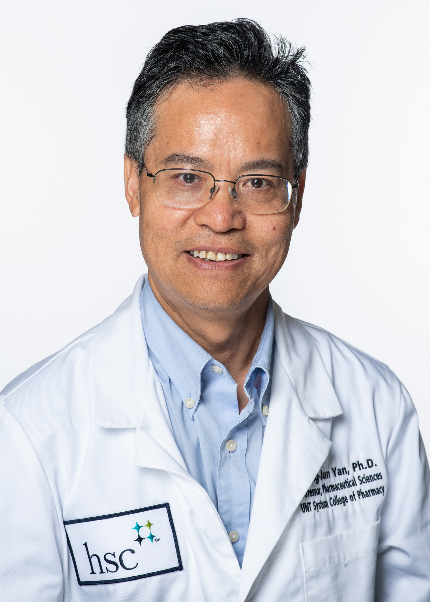
Liang-Jun Yan, PhD Recipient of Bridge Grant Program
“Generation of renal specific NAD kinase knockout and transgenic mouse models ”
Bio: Dr. Yan’s lab does research on kidney disease, in particular, ischemia- and drug-induced
acute kidney injury and diabetic kidney disease. Our goal is to understand how mitochondrial
oxidative stress and redox signaling contribute to these kidney diseases, and to identify
novel targets for developing potential therapeutics. Students who would like to work
in the lab will gain knowledge on mitochondrial dysfunction in kidney disease and
metabolic disorders, and will develop skill in biochemical techniques for mitochondrial
functional analysis.
Current Project: The goal of our research is to elucidate the mitochondrial mechanisms and pathophysiology
underlying kidney disease induced by pharmacological agents and environmental toxins,
with an aim to explore novel therapeutic strategies by identifying new targets that
can be applied to prevent the development and progression of kidney injury. The target
protein in this bridge grant is mitochondrial NAD kinase (also known as NADK2). As
the significance of this protein in kidney injury induced by heavy metals or ischemic
reperfusion is not known, we propose to explore the magnitude of kidney injuries in
the absence or overexpression of NADK2. This exploration would require the generation
of NADK2 knockout and NADK2 transgenic mouse models, which is as proposed in the bridge
grant.