
NorTex 2020 Fall Newsletter
September 28, 2020 • NorTex

THE NORTEX NEWSLETTER
Substance Use Disorder in Individuals with Intellectual and Developmental Disabilities
NorTex is collaborating with UNT Health Fort Worth College of Public Health, the System College of Pharmacy, and the Dallas-Fort Worth Hospital Council on a project funded by the Texas Council for Developmental Disabilities. This multidisciplinary team is investigating substance use disorder (SUD) in individuals with intellectual and developmental disabilities (IDD). Research on SUD among individuals with IDD is limited, and estimates of the prevalence of SUD among this vulnerable population vary greatly. Individuals with an intellectual disability are less likely to use substances compared to others without a disability; however, they are more susceptible to substance abuse if they do use them. While research suggests that treatment for SUD should be individualized for people with intellectual disabilities, the best treatment and prevention options are not well defined. Understanding the best treatment practices and how they vary in individuals with IDD is greatly needed to improve treatment adherence and overall outcomes.
The overall goal of this proposal is to provide information to the Texas Council for
Developmental Disabilities to fill some of the gaps in knowledge for individuals with
IDD and SUD in Texas. Specifically, this project seeks to address three important
questions about SUD treatment in individuals with IDD:
- How prevalent is SUD in individuals with IDD?
- What prevention and treatment options are available for SUD in individuals with IDD?
- What barriers for receiving and adhering to treatment for SUD exist among individuals with IDD?
The team will use both qualitative and quantitative research methods over the next year to better understand this complicated topic. They will start by conducting a complete review of the literature published in the last 20 years to better identify gaps. They will also conduct focus group sessions and semi-structured interviews with healthcare providers and administrators from SUD treatment facilities across the state to better understand their intake and treatment protocols for individuals with IDD. In addition to virtual focus groups and interviews, researchers will mail surveys to 1,000 licensed SUD treatment facilities. The survey will contain questions about patient demographics, treatment protocols at each facility, and their understanding and perception of best treatment practices for individuals with IDD. Finally, researchers will analyze hospital visit data from the Dallas-Fort Worth Hospital Council to determine if individuals with IDD present for repeat emergency room visits or have repeat hospitalizations to address substance use disorder more often than those without IDD.
Our team hopes this research project will provide information that will eventually improve access to appropriate treatment and improve treatment outcomes for individuals with IDD suffering from a substance use disorder. Funded by Texas Council for Developmental Disabilities PI: Kim Fulda, DrPH; Co-Investigators: Tracey Barnett, PhD; Scott Walters, PhD; Marc Fleming, PhD. PharmD
NORTEX RESEARCH PROJECTS
FEATURED CURRENT NORTEX PROJECT
Student Led Project to Identify Provider Satisfaction with Prenatal Care During COVID-19

Healthcare has dramatically shifted gears with the onset of the COVID-19 pandemic. In efforts to prevent further transmission and spread of the novel coronavirus, many medical systems across the United States have delayed or canceled elective surgeries and shifted to telehealth practices in compliance with lockdown and social distancing measures. Specialties with a highrisk patient population, such as Obstetrics and Gynecology, have had to be especially cautious. As pregnant women are considered a high-risk group, prenatal care has changed modalities as well. Many providers have switched to telemedicine whenever possible in order to limit potential exposures to pregnant patients, while continuing in-person visits for checkups and other examinations that cannot be conducted virtually. Prenatal appointment guidelines have not changed since the 1930s, nor have many providers had experience with pandemic protocols in place prior to the COVID-19 pandemic. With slow development of guidelines and protocols, many OBGYNs have had to make do with available resources and work around constraints. This leads to the question: are providers satisfied with the prenatal care they are providing patients during the pandemic? Prenatal provider satisfaction encompasses many factors, such as: how has the pandemic effected the ability to care for expecting patients, what barriers have been resolved or created due to pandemic induced shift in modalities, how effective has the adoption of telehealth been in prenatal care, and so forth.
Bisma Zulifqar, a second year Master of Medical Sciences student at UNT Health Fort Worth, is working with NorTex faculty to develop and conduct a student-led project in order to understand prenatal provider satisfaction during the COVID-19 pandemic. This project is currently undergoing development.
FEATURED COMPLETED NORTEX PROJECT
The Association between Family Functioning and Risk for Type 2 Diabetes in Mexican-American Adolescents
Abstract: This study aimed at determining the relationship between family functioning and risk for type 2 diabetes in Mexican American adolescents. The study’s sample was comprised of 144 Mexican-American adolescents 10-14 years of age and a parent/ legal guardian. Parents completed questionnaires related to family functioning and risk for developing type 2 diabetes mellitus (T2DM). A family functioning score was derived from responses to questions assessing the parent and adolescent’s relationship. These scores were added to create the family functioning score. Risk for T2DM was determined by having ≥3 of the following: BMI in the 95th percentile or greater, elevated blood glucose, positive for acanthosis nigricans, first or second degree relative with T2DM, and blood pressure in the 95th percentile or greater. Multiple logistic regression was performed with risk for T2DM (high or low) as the outcome and family functioning score as the primary predictor. Results of responses to family functioning questions were as follows: ability to share ideas or talk about things that really matter (64.6% positive, 35.4% negative), ability to make decisions about the adolescent’s life together (82.6% positive, 17.4% negative), parent’s relationship to the adolescent (76.4% positive, 23.6% negative), parent’s feeling of understanding (69.9% positive, 30.1% negative), and parent’s feeling of really trusting the adolescent (81.3% positive, 18.8% negative). The mean family functioning score was 3.74 (STD =1.30). Family functioning was not associated with being high risk for T2DM [OR=0.898; 95% CI (0.673-1.198)]. The results demonstrated no statistically significant relationship between family functioning and risk for developing T2DM in the Mexican American adolescent population. The role of social factors, such as family functioning, in the development of risk for T2DM in this population is not fully understood and should be further investigated. PI: Kimberly Fulda, DrPH; Sean Faries is a TCOM student working with Dr. Fulda.
CORNERSTONE ASSISTANCE NETWORK

Imagine needing medical care and facing the challenges of being uninsured, unable to afford self-pay care, and unable to access government programs. Many people in the North Texas community face this challenge daily. Chronic diseases like hypertension and diabetes go undiagnosed and untreated. These individuals often end up in the emergency department where a diagnosis is made, but ongoing treatment is not available. Seeing this need, Cornerstone Assistance Network (CAN) opened a free medical clinic in 1998. Staffed by volunteer health care professionals, primary care is provided to low income, uninsured residents of Tarrant County. Today Cornerstone Charitable Clinic has grown to include specialty care, a Health Services Director, a full-time registered nurse, and two part-time patient representatives who carry out the daily operations of the clinic. Twelve medical providers currently volunteer on a regular basis. They have also added telemedicine to ensure patients continue to receive services during the pandemic.
In 2012, CAN partnered with Alcon to open a free Cataract Procedure Center where Ophthalmology surgeons volunteer their time and skills. To date, 376 cataract procedures have been provided, restoring vision to those losing their sight. As a result, patients have maintained employment and independence in daily living. In June of this year, CAN expanded again to open a full-time charitable Dental Clinic. CAN continues to grow and adapt to meet community needs. If you would like to learn more about CAN, volunteering, or making referrals, please contact Lori Kennedy, Health Services Director, at 817-632-6035.
THE NATIONAL RESEARCH MENTORING NETWORK (NRMN)
NRMN is a nationwide, National Institutes of Health (NIH) funded initiative that aims
at increasing diversity in the biomedical research workforce through mentorship, networking,
and professional development. Whether you are a student discovering your scientific
passion, a postdoctoral fellow conducting biomedical experiments for a high-impact
journal, a junior faculty member preparing for your first large NIH grant, a senior
faculty member with an innate desire to mentor others to follow your career path,
or an institution or organization looking to leverage our resources or collaborate,
NRMN is here for you. Some of what NRMN offers includes: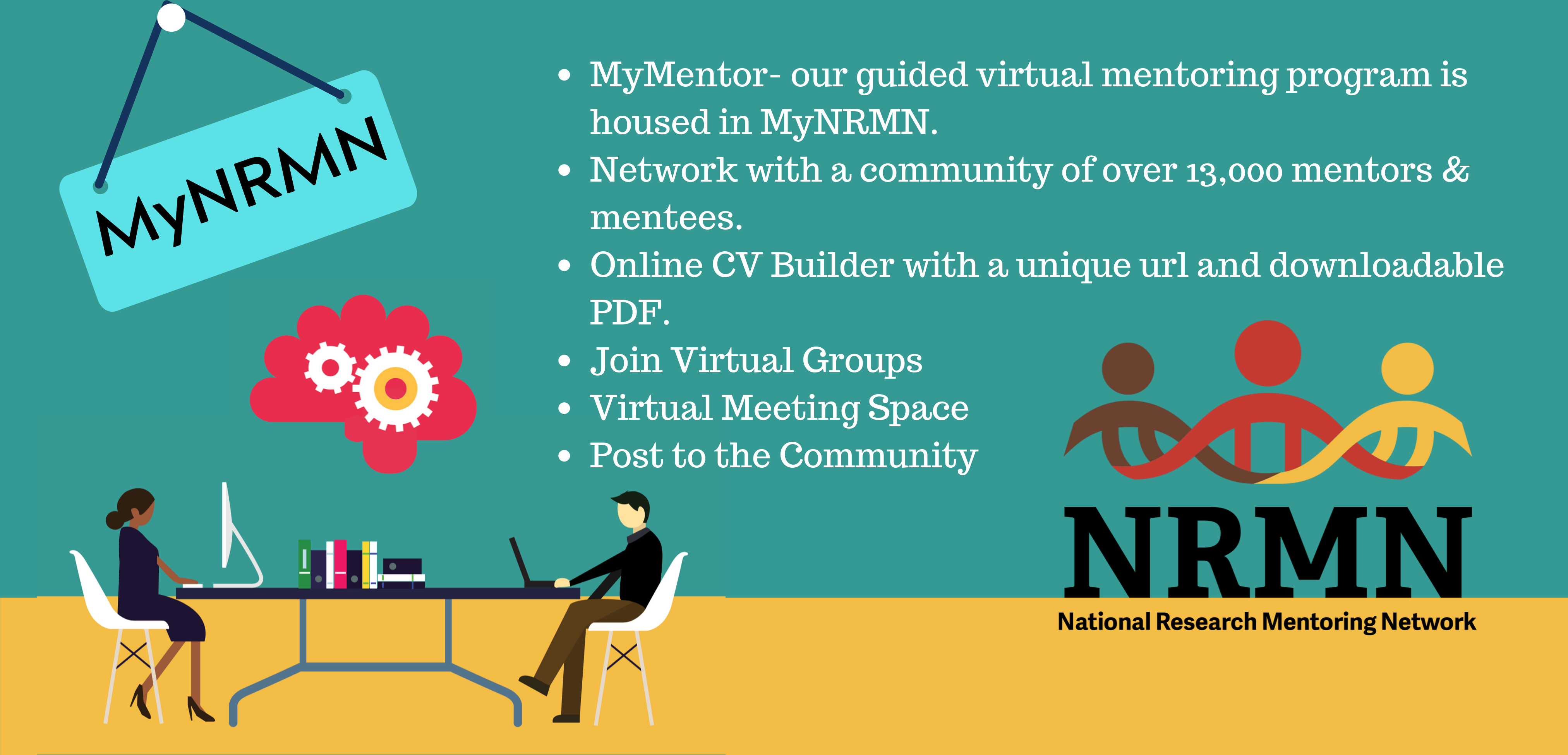
- Guided Virtual Mentorship with customized goals
- Networking with our community of over 13,000 participants nationwide
- Online Resume Builder, Virtual Groups, and Meeting Space
- Unconscious Bias Course
- Career Development Webinars
- Partnership Opportunities

NRMN is free for individuals to join, and cost-based customizations are available for groups, organizations, and institutions.For more information about NRMN and to join, visit WWW.NRMNET.NET
FEATURED MEMBER:
DR. DAVID SCHNEIDER
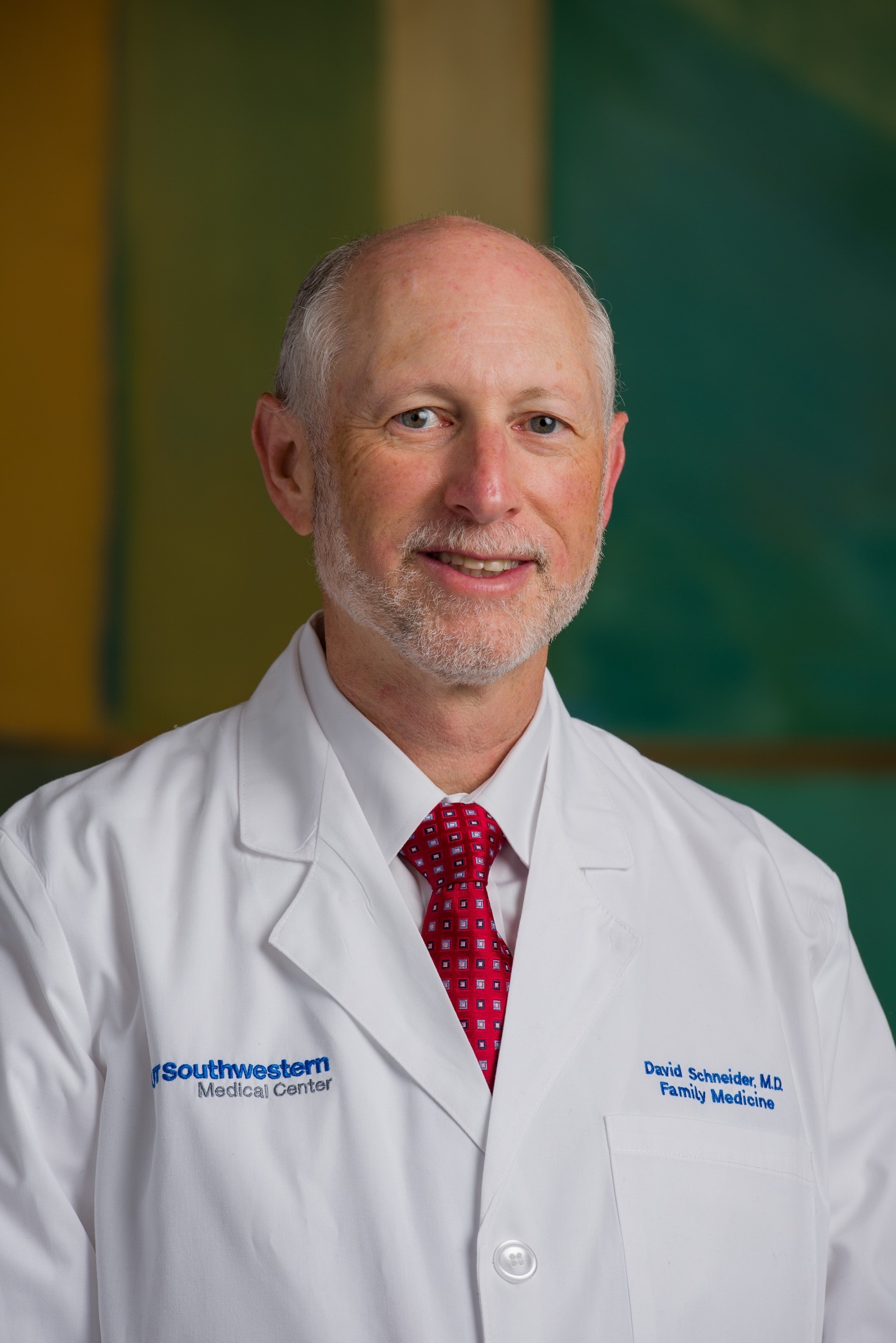
David Schneider, M.D., is Professor and Chair of the Department of Family and Community Medicine at UT Southwestern Medical Center. As a family physician at UT Southwestern Medical Center, Dr. Schneider is nationally recognized for his nearly 30 years of work in the field of family medicine. Dr. Schneider earned his medical degree at the Boston University School of Medicine. Following his residency in family medicine at Duke University/ Fayetteville Area Health Education Center Family Medicine program, he received advanced training in academic family medicine through a fellowship at the University of Missouri, where he also earned a Master of Science in Public Health in Epidemiology. Prior to his arrival at UT Southwestern, Dr. Schneider was Chair of the Department of Family and Community Medicine at Saint Louis University from 2008 to 2017. Before his time in St. Louis, he served as a faculty member at the University of Texas Health Science Center at San Antonio, where he also served as Director of Medical Student Education, Residency Program Director, and Vice Chair. Dr. Schneider was the founding President of the Academy on Violence and Abuse, and he currently serves on the board of directors of the Association of Departments of Family Medicine. He previously served as Chair of the National Health Collaborative on Violence and Abuse, President of the Texas Academy of Family Physicians, and Chair of the American Academy of Family Physicians Commission on Public Health. Dr. Schneider teaches and conducts research on violence and its adverse effects on health, as well as the care of patients with chronic, non-malignant pain. Dr. Schneider also serves as a member of the NorTex Clinical Advisory Board. Dr. Schneider’s commitment to patient-centered care extends beyond his clinical practice. In joining UT Southwestern, he is leading initiatives to strengthen the primary care workforce in North Texas and develop a strong family medicine research core at UT Southwestern. Dr. Schneider has focused much of his academic career on improving medical education. Part of that effort involves fostering a better physician understanding of the factors that can impact a patient’s health, such as violence and victimization, drug and alcohol use, and other sources of toxic stress. Working with a group of other dedicated physicians, Dr. Schneider helped start the Academy on Violence and Abuse (AVA), an organization that focuses on violence and toxic stress and its effects on people’s health. The AVA is helping to advance education and research into the health effects of violence and victimization on both children and adults.
For more information on AVA visit, avahealth.org.
