
Training in the Neurobiology of Aging and Alzheimers Disease
With the “graying of America,” we are faced with the need to address the ever-increasing number of individuals in our society who have age-associated nervous system disease and conditions.
To address this problem, we need multidisciplinary approaches to facilitate the discovery of the mechanisms, treatments, and prevention of these diseases. Active, integrated research-based training of pre-doctoral students is key to re-supplying the research personnel needed to address the biomedical health care issues in a sustainable manner.
Training in the neurobiology of aging and Alzheimer’s Disease is proposed to address the ever-increasing numbers of individuals in our society who have age-associated nervous system disease and conditions. The National Institute on Aging T32 Ruth Kirschstein Institutional National Research Service Award focuses on diversity training, scientific excellence and leadership, and preparation of trainees for successful careers in the neurobiology of aging, through intensive research and research-related activities and publication of high-quality research reports.
Neurobiology of Aging and Alzheimer’s Disease Symposium Meet the T32 Fellows
Meet the Principal Investigators
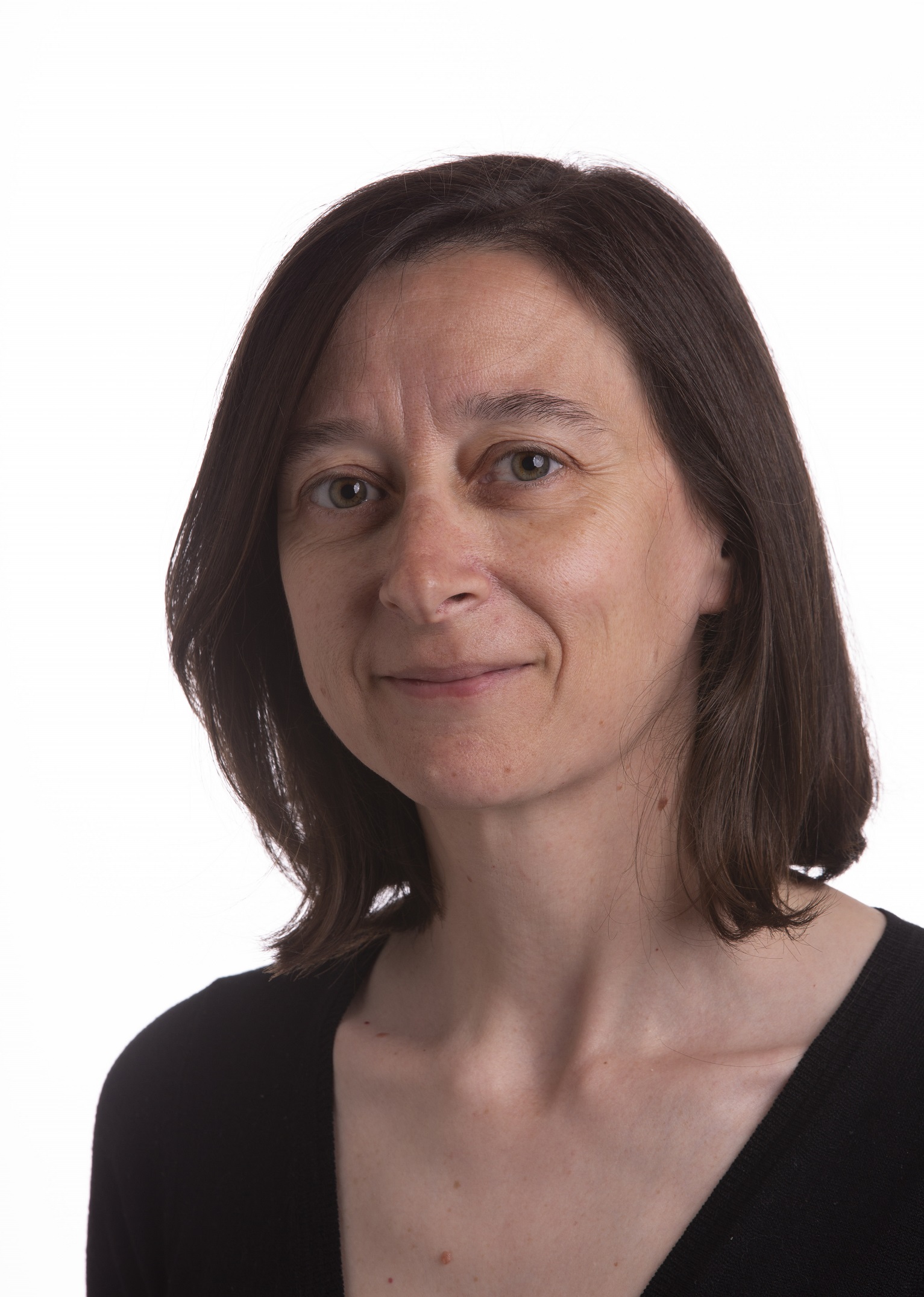
Nathalie Sumien, Ph.D.
Associate Professor, Department of Pharmacology and Neuroscience
Member, Institute for Healthy Aging
Twitter: @SumienLab
Faculty Profile: Nathalie Sumien, Ph.D.
Education:
Ph.D. in Biochemistry, Southern Methodist University
B.S. in Physiology, University of Mont Saint Aigna
My scientific interests are focused on identifying interventions improving motor and cognitive function during aging and disease state. Our focus has been on the interaction between antioxidant supplementation and exercise, and whether combining the two anti-aging interventions would further their benefit on brain function declines associated with aging and Alzheimer’s disease.
My laboratory also works on other interventions for other conditions: sigma 1 compounds and chemobrain (brain dysfunction associated with chemotherapy), hyperbaric oxygen therapy to alleviate the symptoms of Alzheimer’s disease, and new antiaging therapy manipulating internal acidity. Identifying successful interventions and their interaction with factors such as genes and gender will lead to specialized recommendations to patients. Furthermore, it will allow us to determine specific mechanisms involved in positive outcomes leading to the development of therapeutic methods to ultimately improve the healthspan of individuals. Another project of the laboratory is to study the interaction of stroke and/or aging with drugs of abuse and to determine whether drug use makes individuals more susceptible to stroke and development of accelerated aging.