
Experiential Education
Welcome to the Office of Experiential Education at UNT Health College of Pharmacy.
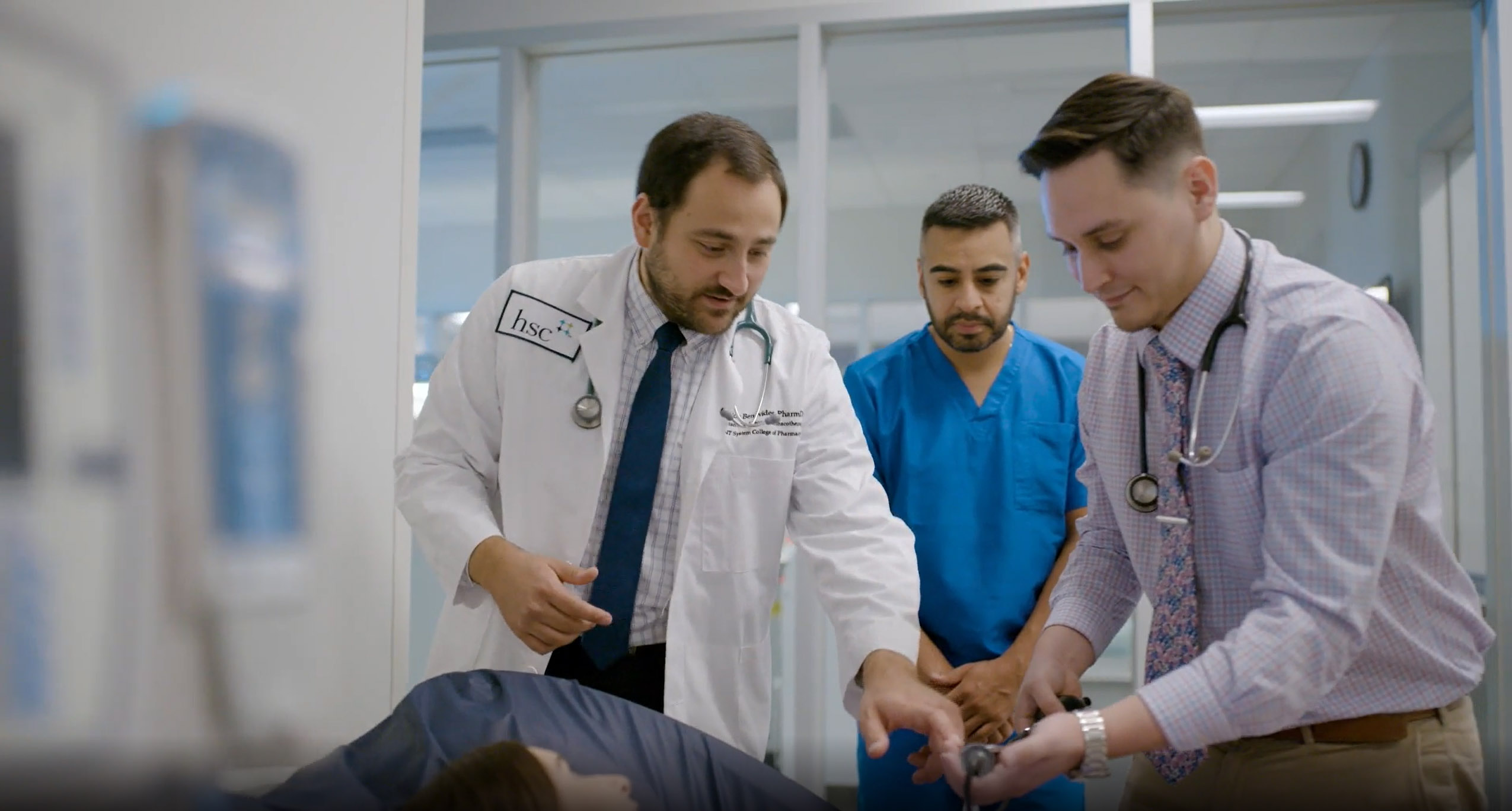 Experiential education activities prepare students to become pharmacy professionals
who are responsible for providing patient care that optimizes medication therapy outcomes
and promotes health. Participation in Introductory Pharmacy Practice Experiences (IPPEs)
develop student’s knowledge, skills and values which lay the foundation to become
active participants in patient care during their Advanced Pharmacy Practice Experiences
(APPEs) and to grow into independent practitioners capable of practicing in collaborative,
interprofessional practices.
Experiential education activities prepare students to become pharmacy professionals
who are responsible for providing patient care that optimizes medication therapy outcomes
and promotes health. Participation in Introductory Pharmacy Practice Experiences (IPPEs)
develop student’s knowledge, skills and values which lay the foundation to become
active participants in patient care during their Advanced Pharmacy Practice Experiences
(APPEs) and to grow into independent practitioners capable of practicing in collaborative,
interprofessional practices.
The Texas State Board of Pharmacy allows for students admitted to a pharmacy program to be a pharmacist intern during their first professional year. Therefore, direct patient care activities under the supervision of a pharmacist will begin with Over-the-Counter Consults in a community pharmacy in the spring of the first year and continue via various experiences through graduation.
APPE/IPPE INFORMATION
Introductory Pharmacy Practice Experiences (IPPEs)
The Introductory Pharmacy Practice Experiences (IPPEs) involve actual practice experiences in community and institutional settings and permit students, under appropriate supervision and as permitted by practice regulations, to assume direct patient care responsibilities.
Advanced Pharmacy Practice Experience (APPEs)
The Advanced Pharmacy Practice Experiences (APPEs) integrate, apply, reinforce, and advance the knowledge, skills, attitudes, abilities, and behaviors developed in the Pre-APPE curriculum and in co-curricular activities. APPEs build on previous IPPE & didactic courses to expose students to a wide world of pharmacy practice and establish their skills and knowledge as practitioners.
CORE ELMS is the experiential learning management system used to manage student schedules, onboarding requirements and preceptor availability and to create and deliver assessments.
Meet the Experiential Team
For more information about becoming a preceptor or to learn about preceptor requirements, contact Genika Reed, Educational Program Assistant Director, at Genika.Reed@unthealth.edu.
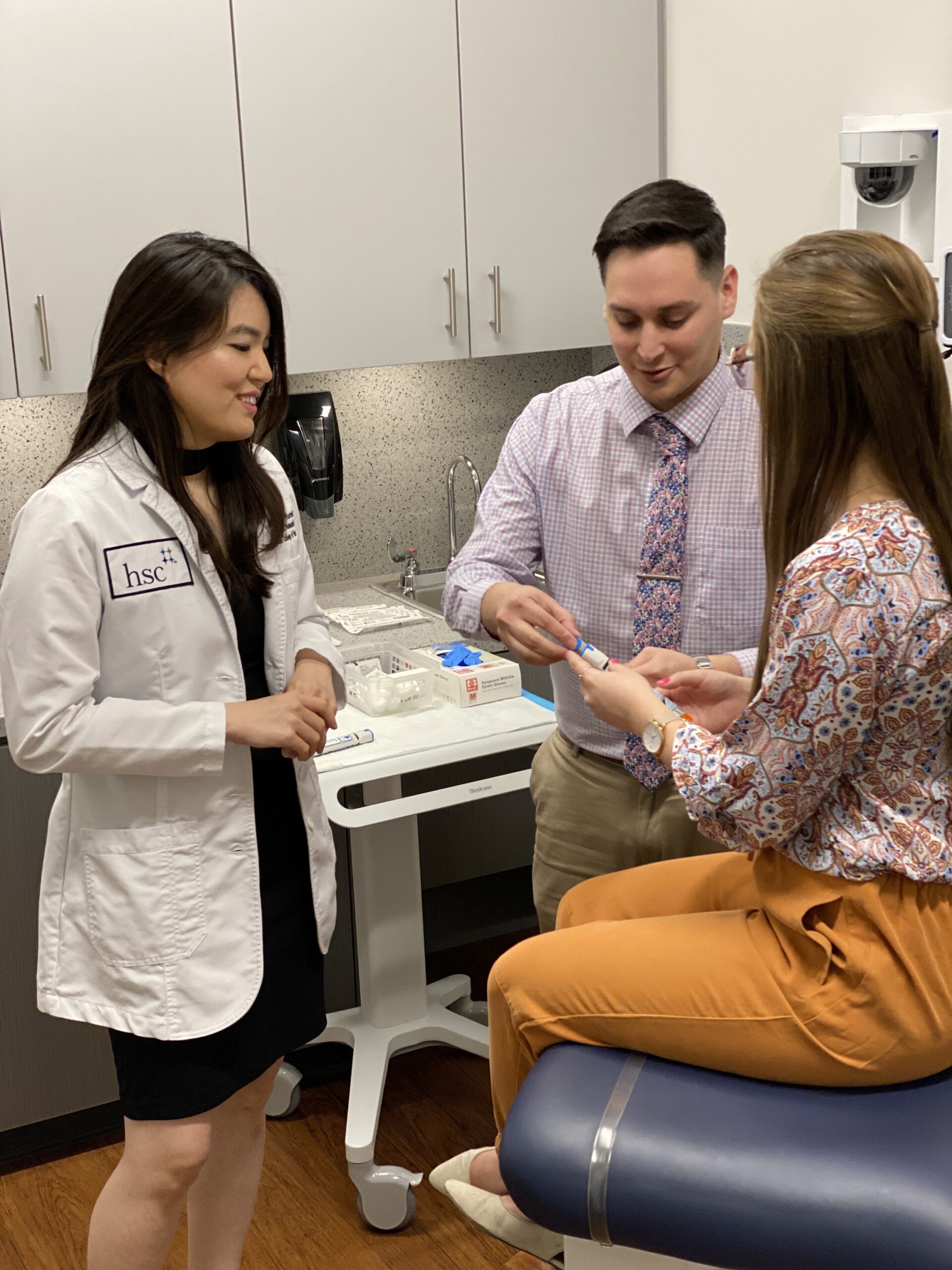
Experiential Curriculum & Rotation Descriptions
Students have access to more than 1,500 licensed pharmacist preceptors at rotation sites in Texas.
PRECEPTOR RESOURCES
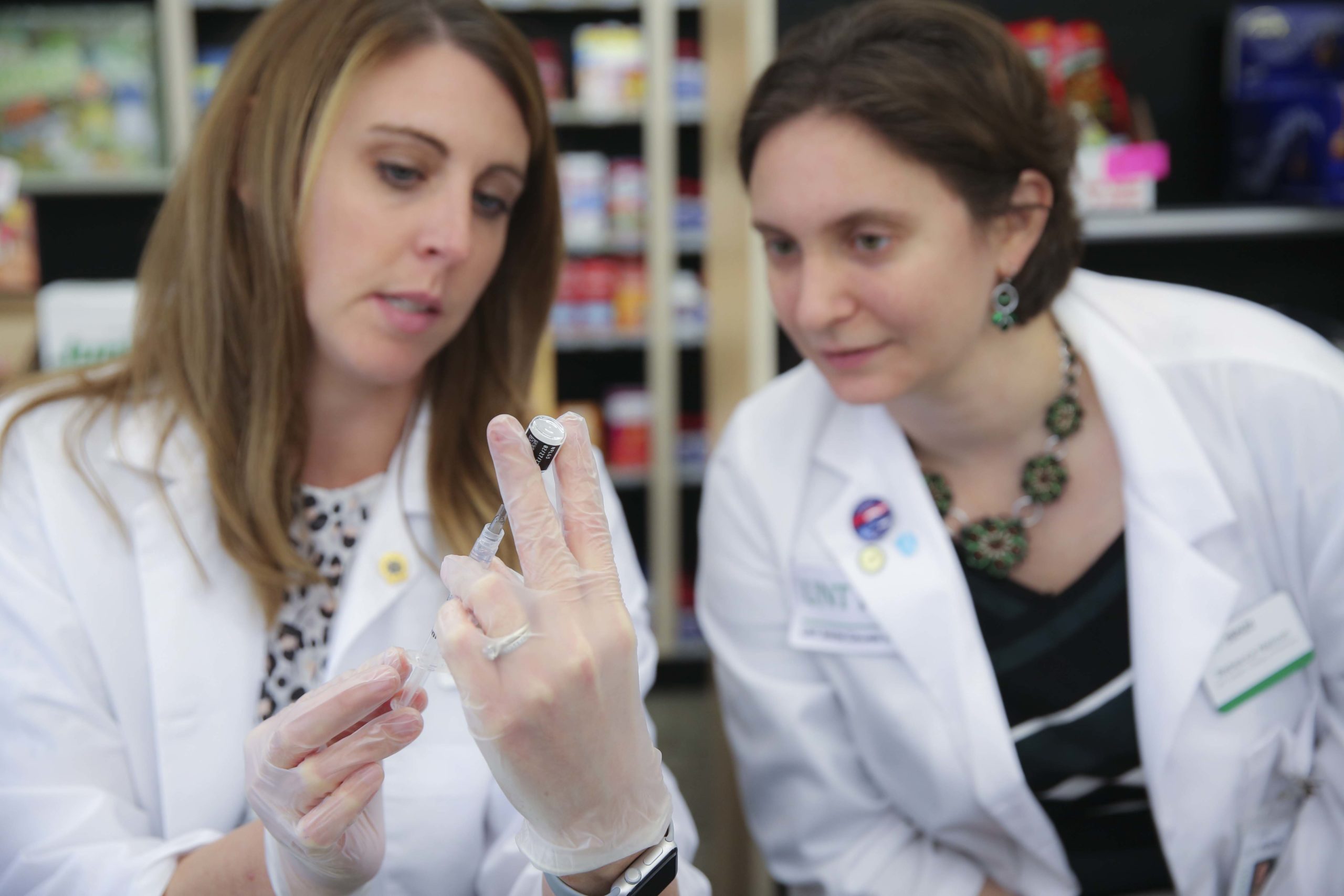
Preceptors are a vital component to the success of experiential education sites and to individual student success. UNT Health System College of Pharmacy deeply values relationships both with individual preceptors and with experiential education sites.
Preceptors will have access to free continuing education provided both live and online on an ongoing basis. Additionally, preceptors are welcomed to engage with students during the didactic portion of the curriculum via classroom activities, skills laboratory practicals, or acting as a facilitators/raters for Objective Structured Clinical Examinations (OSCEs). Preceptors who are engaged with our students, may request adjunct faculty appointment and/or library access via the Office of Experiential Education.
Prior to being assigned students for any practice experience, preceptors are required to complete our College of Pharmacy Preceptor Orientation, which is offered either live or via an asynchronous web-based module as free continuing education (CE) credit. This training covers UNT Health SCP mission, vision, and curriculum, IPPE and APPE objectives, basic teaching methodologies, and student evaluations including an introduction to UNT Health SCP ’s student evaluation software, CORE ELMS. Additionally, each preceptor will be given the opportunity to complete periodic programming for free CE credit. Programming may include advanced methods of instruction proven successful to achieve expected educational outcomes, assessing students, tailoring rotations to meet student needs, delivering effective feedback, management of professionalism issues and challenging students, and innovations in therapeutics and practice. This programming may be delivered live or available online in various formats.
For pharmacists to be considered as a UNT Health College of Pharmacy preceptor, they must meet and continue to meet the following criteria:
- Pharmacists must submit a preceptor profile by completing the Preceptor Application (Use the code: HSCWEBPRECEPTOR).
- Preceptors may be contacted periodically by Experiential Education to update their preceptor profile.
- License to practice pharmacy in good standing with the Texas State Board of Pharmacy
- Certified as a pharmacist preceptor with the Texas State Board of Pharmacy, including maintaining 3 hours of Texas Preceptor CE during every license renewal period
- Be a positive role model for students
- Practice pharmacy in exemplary sites providing direct patient care or innovative pharmacy services
- Closely supervise and mentor students by observing a 1:1 student to preceptor ratio unless supervising student-interns as part of a Texas college or school of pharmacy program
Once the above criteria have been met, preceptors will receive instructions on how to access our rotation management system, CORE ELMS, and will be required to complete a UNT Health College of Pharmacy approved preceptor training program prior to being assigned students for any practice experience. Preceptors may upload their signed completion of orientation to CORE ELMS.
For a site to be considered as an UNT System College of Pharmacy training site, it must meet and continue to meet the following criteria:
- afford the students the opportunities to interact with diverse patient populations in adequate numbers to satisfy learning objectives for the experience;
- provide access to learning and information resources;
- be adequately equipped with technology needed to support student training and contemporary practice;
- have collaborative professional/training relationships with other health care providers;
- demonstrate a strong commitment to health promotion and wellness;
- have sufficient time for preceptor or designee and student interaction to ensure students receive feedback and have opportunities to ask questions or discuss ethical/legal dilemmas;
- provide medication therapy management and patient care services for a wide variety of patients;
- demonstrate commitment to educate pharmacy students;
- meet or exceed all legal and professional standards required to provide patient
STUDENT RESOURCES
Students can learn more about pharmacist internships, rotation information and calendars, guidelines and additional requirements and forms below.
It is expected that students will need to access a variety of resources to be able to provide evidence-based, patient-centered pharmaceutical care. The UNT Health Gibson D. Lewis Health Science Library provides students with access to a variety of health-related databases, textbooks, journals and other resources. Throughout the rotation experience, experiential education sites should support students who wish to access these learning and information resources to assist in their learning activities.
View the Texas State Board of Pharmacy pharmacist intern application and submission instructions at this link:
All students are required to provide documentation of immunization.
The Texas State Board of Pharmacy and many health care organizations and institutions require criminal background checks. The UNT UNT Health System College of Pharmacy will require a criminal background check and drug screening for all accepted applicants. See information regarding criminal history: https://www.pharmacy.texas.gov/criminalhistory.asp
Students with a disqualifying criminal conviction(s) and/or drug screening results, as determined by a healthcare institution, may be prevented from participating in Introductory/Advanced Pharmacy Practice Experiences (IPPE/APPE) that are required for completion of the Doctor of Pharmacy degree.
Felonies
- will prohibit you from getting most health profession licenses
- will prohibit you from getting into most health profession programs
- may cause you to lose your license if the crime is committed after licensure
Misdemeanors
- may create problems for admission into health profession programs and licensure, especially if there are multiple offenses and they involve alcohol or other drugs
- may result in your being monitored for an indefinite period
APPE Attendance and Required Hours:
Rotation Appeal:
Out of Area Request:
- Out of Area Request Procedures
- View Site Prospector in CORE ELMS