
Beyond the classroom - How UNT Health Clinical Practice Group develops the next generation of healthcare leaders
For many students at UNT Health Fort Worth, learning extends far beyond the classroom.
Every day across UNT Health Clinical Practice Group's clinics, medical students, physician assistant students, pharmacy students and other future healthcare professionals gain hands-on experience caring for patients alongside experienced clinicians. However, the learning environment isn't limited to those providing direct patient care. Through its Master of Health Administration summer internship program, the clinical practice also helps prepare the next generation of healthcare leaders responsible for the operations, strategy and systems that keep healthcare running.
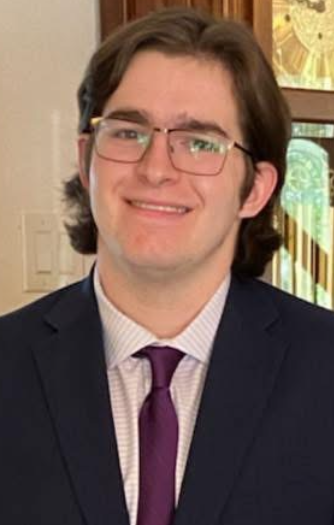
This summer, MHA student Thomas Hallaron is experiencing that firsthand as he works with the Health Information Management team, gaining exposure to the operational side of healthcare while contributing to projects that support providers and improve patient care.
“As an academic health system, education is woven into everything we do,” said Senior VP Health Systems Finance & COO A.J. Randolph said. “Every discipline — from clinical care to operations and administration — plays a vital role in delivering exceptional patient care, and we're proud to provide meaningful learning experiences that help students see how those pieces come together.”
Learning by doing
Before beginning his master's degree, Hallaron spent five years working in a small specialty clinic, taking on responsibilities that ranged from front desk operations and surgery scheduling to serving as the office supervisor. While he enjoyed the work, he realized he wanted to expand his knowledge beyond the walls of a single practice.
"I got to a point where I had kind of capped out what I was able to do," Hallaron said. "I applied to the master's program because I felt like that was the next best step for my future goals."
The internship at UNT Health Clinical Practice Group offered exactly what he was looking for, including a chance to see healthcare operations on a much larger scale while working alongside mentors from multiple departments.
Unlike some internship experiences that begin with weeks of orientation, Hallaron says he was immediately immersed in meaningful work.
"They were basically saying, 'Here are your projects. You can go get started,'" he said. "I could maximize my time working on things that would provide direct benefit instead of spending weeks just shadowing or onboarding."
Working with the HIM team has given Hallaron a new appreciation for the systems operating behind the scenes.
"I've always worked on the front line," he said. "Now I'm seeing the 'why' behind everything, like the operational decisions, the technology, the workflows and how every role contributes."
Seeing healthcare through a different lens
For HIM director Ryan Hughes, who supervises Hallaron's day-to-day work, internships are about much more than assigning projects.
Each morning begins with a leadership huddle before Hallaron works on strategic initiatives, operational projects and shadowing experiences throughout the clinics. One of his primary projects this summer has focused on helping standardize downtime procedures across clinic locations while also learning firsthand how clinical and administrative teams work together.
"One of the things I've enjoyed most is the fresh perspective Thomas brings to the team," Hughes said. "He's asked thoughtful questions and identified simple process enhancements that have prompted us to look at some of our workflows differently."
Hughes says Health Information Management often works behind the scenes, but its impact is felt throughout the patient experience.
"Our team's primary role is to support the electronic health record and its associated technologies, making them as efficient and user-friendly as possible for clinicians and staff," Hughes said. "By reducing technical barriers and streamlining workflows, we help providers spend less time navigating systems and more time focused on delivering quality patient care."
Building Future Leaders
Last summer's MHA intern with the clinical practice, Britnie Chanheuang, says the experience fundamentally changed how she viewed healthcare leadership.
Rather than simply learning administrative theory, she experienced firsthand how effective leadership depends on relationships, collaboration and understanding the day-to-day realities of every role within an organization.
"This internship really shifted my understanding of administration from strategy to change management," Chanheuang said. "Successful administration isn't just about being the most efficient or transformational. It's about building the relationships and trust with clinical leaders required to actually execute those changes."
The opportunity to shadow employees across departments — from front-line staff and clinical teams to senior leadership — also shaped the type of leader she hopes to become.
"I learned that you can't lead effectively until you understand the ground-level reality," she said. "That mindset is guiding me as I step into my new role after graduation."
An Extension of the Classroom
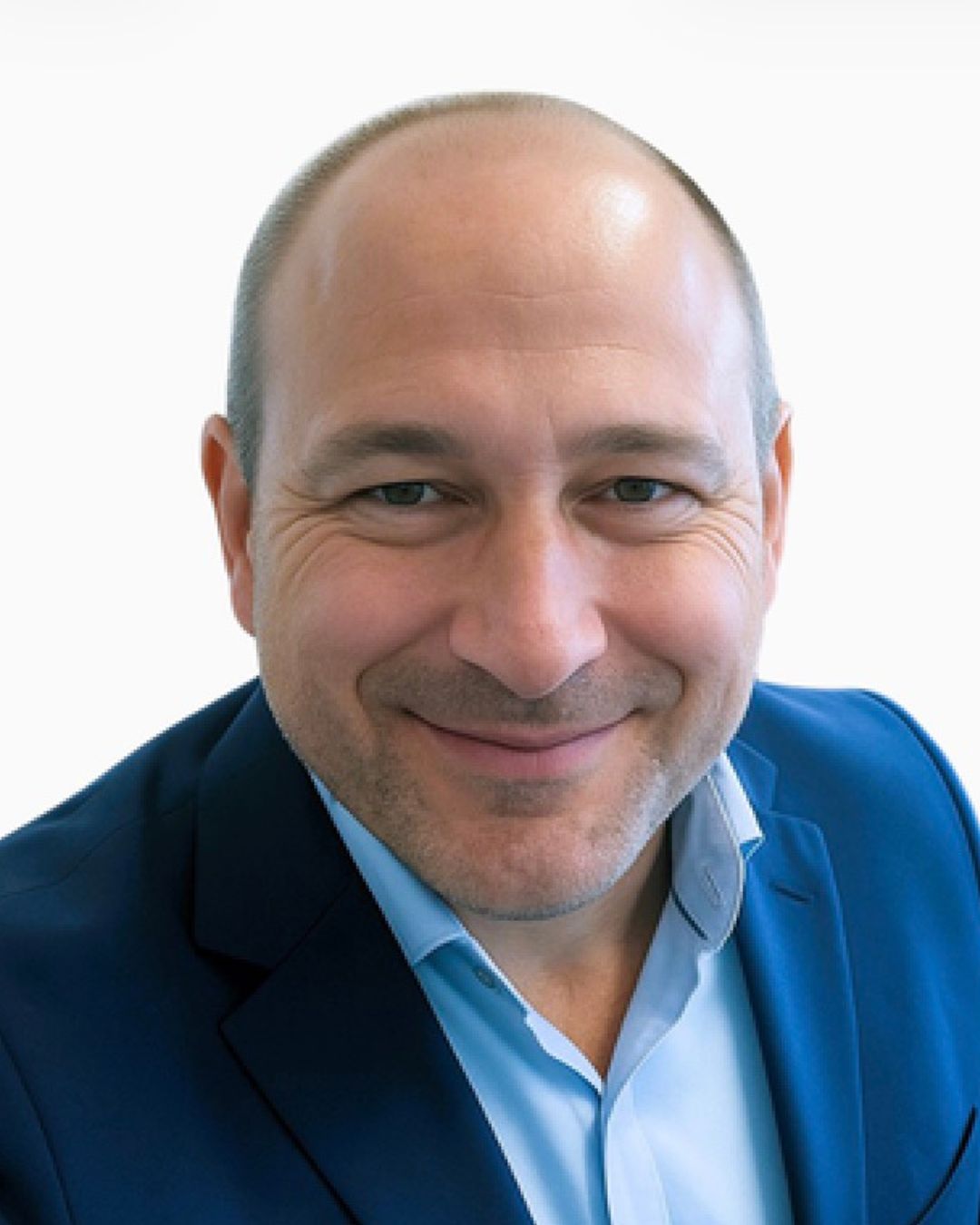
Dr. Allen Solenberg, Ph.D., director of the MHA program, says experiences like these are essential because healthcare leadership cannot be fully taught in a classroom.
"Healthcare management cannot be learned only through textbooks, cases or classroom discussion," Solenberg said. "Students need to see how decisions are made in real organizations, how competing priorities are balanced and how operational work directly affects patients, providers, staff, compliance, finance and access to care."
He says exposure to departments like Health Information Management helps students understand how documentation, technology, compliance, coding and patient care are all interconnected.
"HIM may not always be visible to patients, but it is central to how healthcare organizations function," Solenberg said. "That exposure helps students connect operational details to the broader leadership decisions they will be expected to make throughout their careers."
For Hallaron, the biggest lesson has been learning to stay curious.
"I think you have to keep an open mind, ask questions and be willing to be a sponge," he said. "This internship is really what you make of it. The more curious you are and the more initiative you take, the more you'll get out of the experience."
Whether caring for patients at the bedside, supporting providers through technology or leading operational improvements behind the scenes, every learner at UNT Health Clinical Practice Group contributes to a shared mission: preparing the next generation of healthcare professionals to improve the lives of the patients and communities they will one day serve.