
TCOM student turns childhood medical scare into a career calling
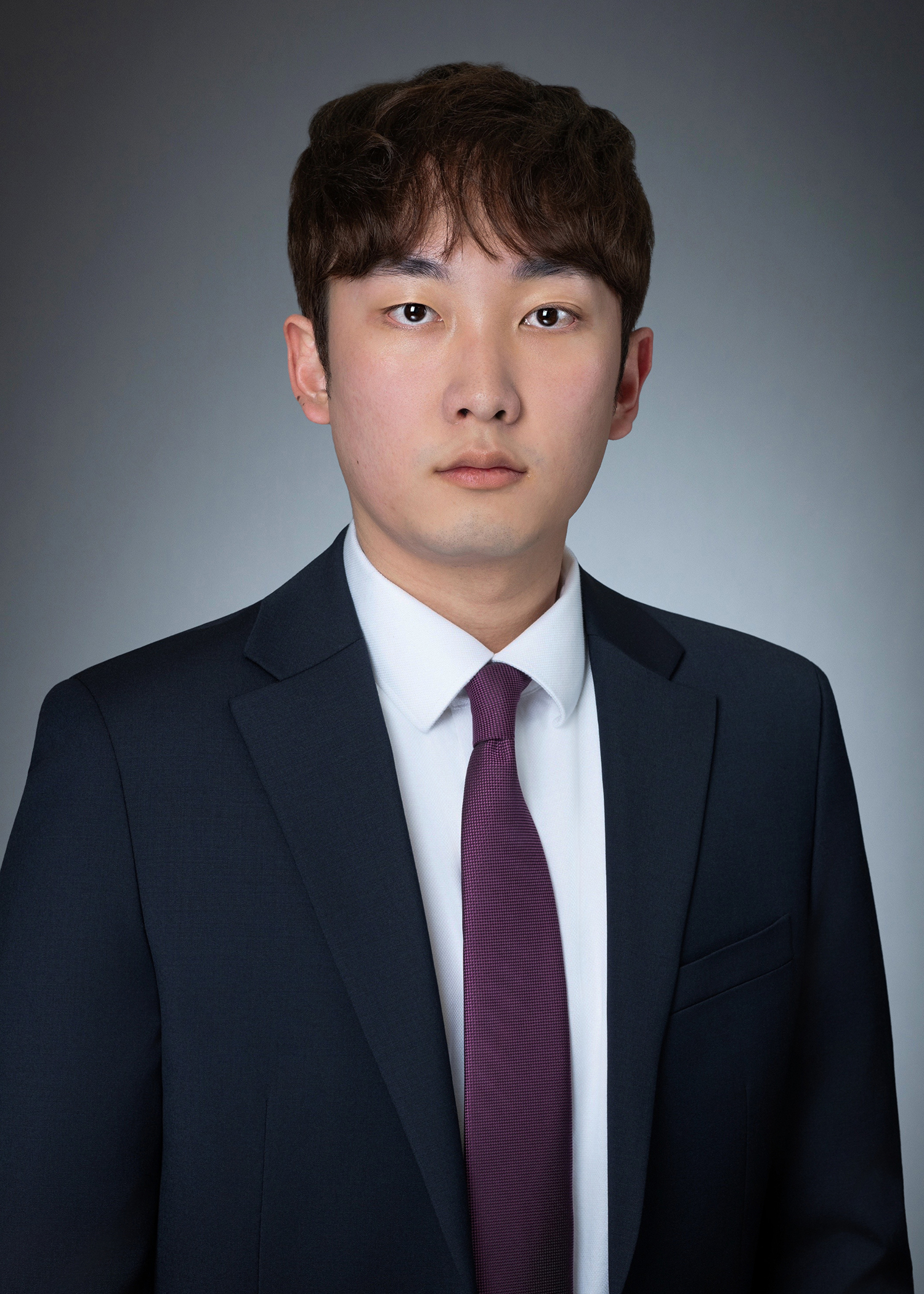 In springtime in Texas, just about every new parent does the same thing. As field
after field of marvelous bluebonnets come to life, Mom and Dad place their young child
in the field for that perfect family picture with thousands of the official state
flower of Texas surrounding them. Timothy Lim’s parents were no different. When he
was just 1 year old, they found a field of bluebonnets for a photo and placed their
son down in the flowers, except what happened wasn’t perfect; it almost killed him.
Lim had an allergic reaction to the bluebonnets, and his parents rushed him to the
emergency room.
In springtime in Texas, just about every new parent does the same thing. As field
after field of marvelous bluebonnets come to life, Mom and Dad place their young child
in the field for that perfect family picture with thousands of the official state
flower of Texas surrounding them. Timothy Lim’s parents were no different. When he
was just 1 year old, they found a field of bluebonnets for a photo and placed their
son down in the flowers, except what happened wasn’t perfect; it almost killed him.
Lim had an allergic reaction to the bluebonnets, and his parents rushed him to the
emergency room.
“I had hives, swelling on my ears, face, and hands,” Lim said. “It was pretty bad.”
Lim was okay, and it should be no surprise that decades later, the second-year student
at UNT Health Fort Worth’s Texas College of Osteopathic Medicine is the president
of Allergy, Immunology and Rheumatology Student Interest Group.
The student group is one of the newest at TCOM and was started last year under Lim
and Vice President Madeline Harvison’s leadership. It’s certainly personal for Lim,
having not only suffered from a reaction when he was a one-year old, but still getting
allergy shots regularly along with asthma.
Lim himself didn’t realize the depth that the field covers; it's not just allergies,
runny noses and asthma. In fact, Lim was more interested in ophthalmology, but it
was his mentor, Dr. Rene Leon, who changed his mind.
“When I was in college, I was looking to shadow a few doctors, and my father found
Dr. Leon,” Lim said. “It was funny because he asked my dad what I was interested in,
and he told him ophthalmology, and he said, ‘I'm going to turn him into an allergist.'"
It didn’t take very long for Leon’s words to become prophetic. Lim spent his gap year between medical school working as a medical assistant for Leon at his clinic. His eyes were opened up.
“He told me right off the bat I was going to learn everything they do in the office,”
Lim said. “I got to see so many different patients, and it wasn’t just allergy; it
was immunology, it was all over the body. He’s the one that patients come to when
they have seen other doctors, and they just can’t figure things out. He was working
on very complicated and rare cases, and that’s where my interest really sparked and
carried over into medical school.”
Harvison shares a similar background as Lim when it comes to allergy-related issues.
I've had severe pollen allergies for as long as I can remember, and my first exposure
to the field was as a patient,” she said. “I've been seeing the same allergist since
I was five years old, which allowed me to build a meaningful, long-term relationship
with my physician. I underwent allergy immunotherapy (allergy shots) for several years,
and seeing firsthand how allergy and immunology can improve a patient's quality of
life inspired my interest in the field.”
The group recently received a grant from the Texas Allergy, Asthma, Immunology Society
to help boost the group with organizing different events, equipment, travel, and other
necessary items to raise awareness about the field itself.
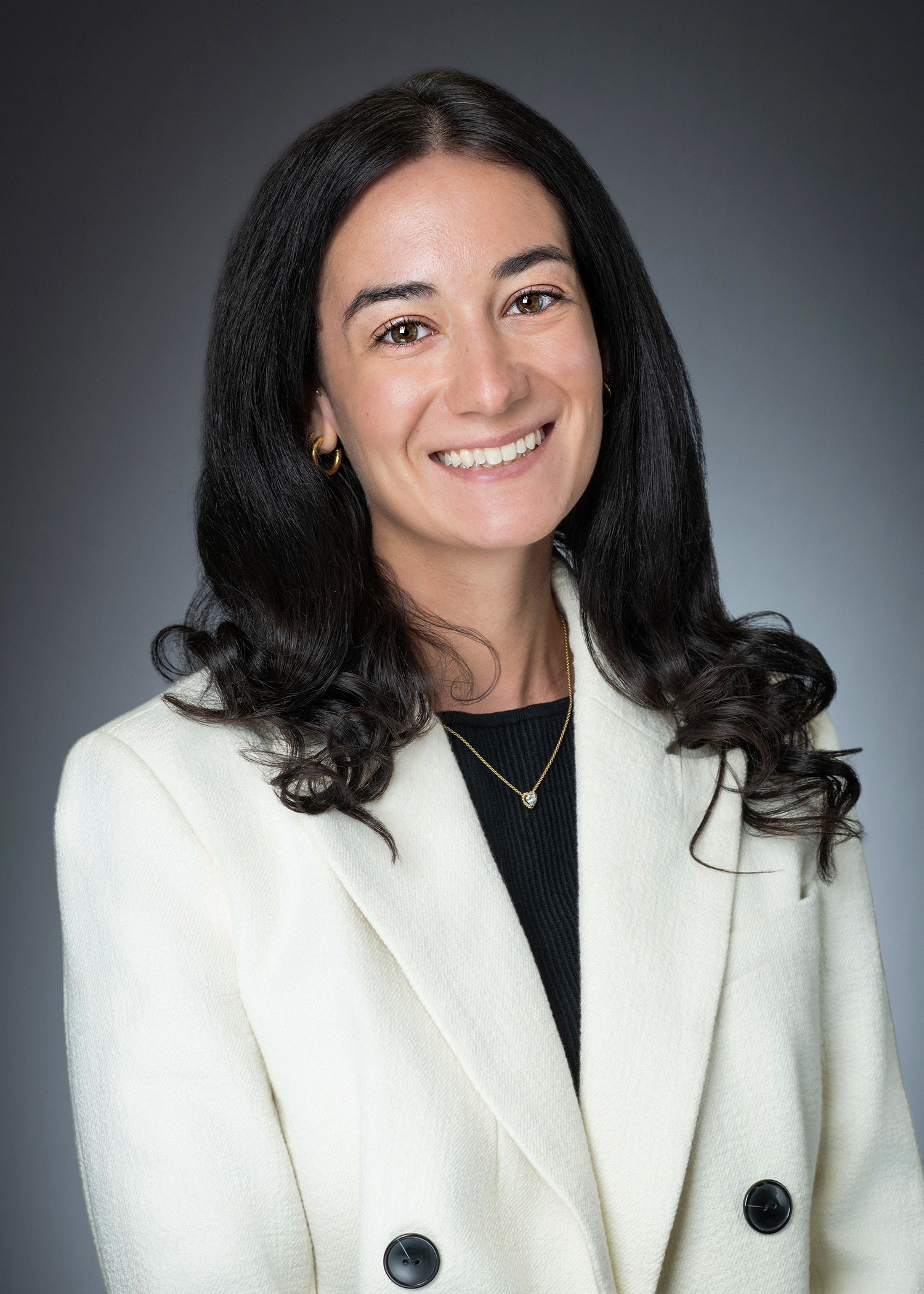 “The funding will allow us to invest in educational seminars, hands-on training and
resources that make the group more accessible and beneficial for our members,” Harvison
said. “It has also helped us connect students with allergists and immunologists through
networking events and mentorship opportunities, while opening doors for students interested
in research within the specialty.”
“The funding will allow us to invest in educational seminars, hands-on training and
resources that make the group more accessible and beneficial for our members,” Harvison
said. “It has also helped us connect students with allergists and immunologists through
networking events and mentorship opportunities, while opening doors for students interested
in research within the specialty.”
“We want to inform our school about what the field is,” Lim said. “It’s more niche
than just allergy. We want to bring in more guest speakers and have more education,
especially hands-on things like how to use an EpiPen to show real-world usage of that
knowledge. As future doctors, it's good to know how to use an EpiPen because you never
know when someone might have an allergic reaction, and just knowing how to do that
can save lives.”
The options for Lim and those wanting to get into this specialty are multiple: either
Pediatrics or Internal Medicine and then a fellowship. Both Lim and Harvison share
the same passion, but also the relationship they have had with their allergist has
been lifelong, which is crucial for Lim.
“They say you can treat from cradle to grave, and I really love that option with this field.”