
Eye health checkups: one more item for back-to-school checklists
 August is Children’s Eye Health and Safety Month — just in time for students heading
back to the classroom. According to Prevent Blindness, a nonprofit organization dedicated
to eye health and safety, estimates that one out of every 122 children has permanent
vision loss. This is a concerning statistic, considering that vision loss can be prevented
through regular eye exams.
August is Children’s Eye Health and Safety Month — just in time for students heading
back to the classroom. According to Prevent Blindness, a nonprofit organization dedicated
to eye health and safety, estimates that one out of every 122 children has permanent
vision loss. This is a concerning statistic, considering that vision loss can be prevented
through regular eye exams.
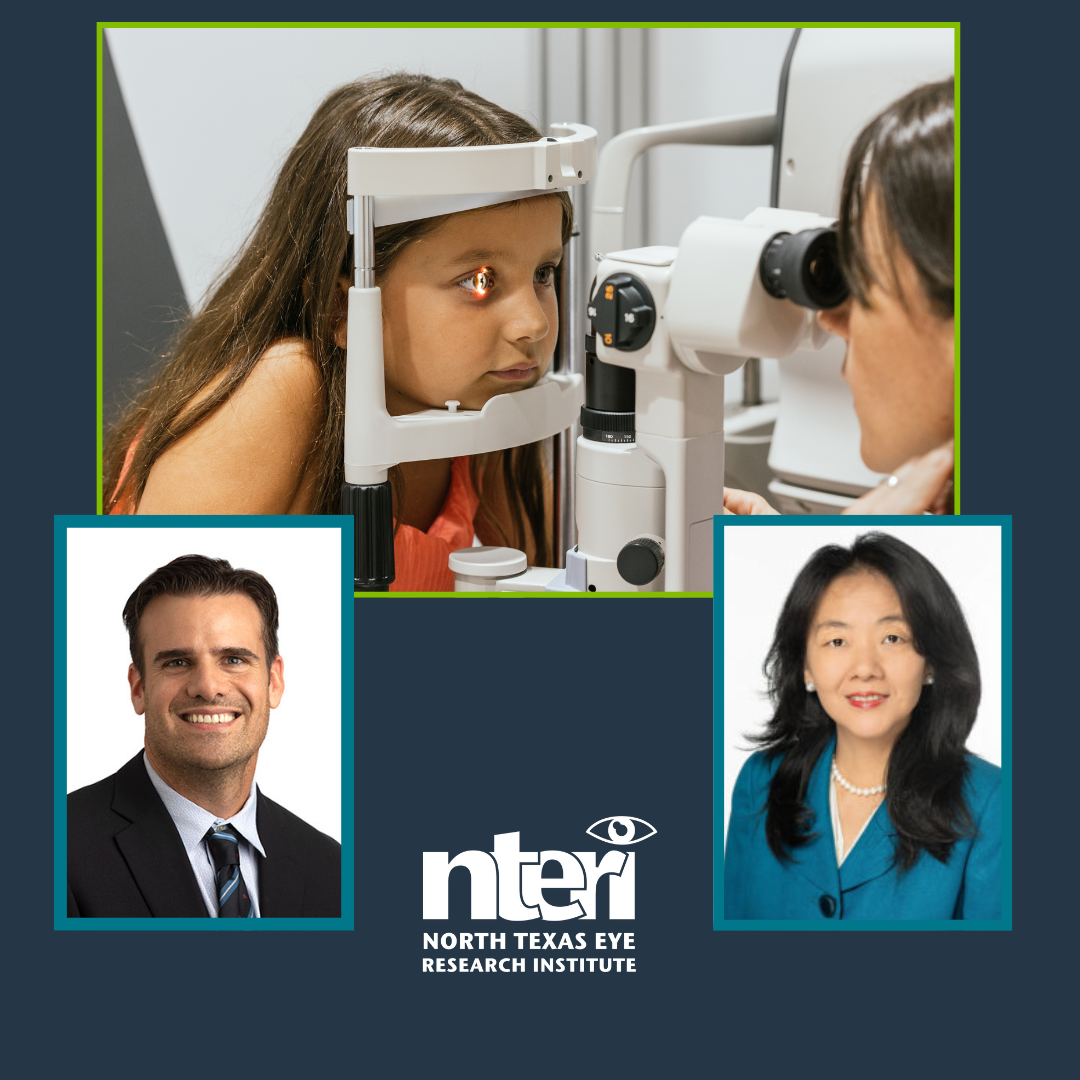
As students are heading back to school in communities across North Texas and around the nation, eye exams should be part of the preparations to start the school year off on the right foot. Dimitrios Karamichos, Ph.D., FARVO, vice president of research and graduate studies at UNT Health Fort Worth, and executive director of the North Texas Eye Research Institute and Hongli Wu, Ph.D., associate professor, College of Pharmacy at UNT Health Fort Worth, and NTERI faculty, have provided some helpful information and tips on children’s eye health.
Dr. Karamichos mentions that the most common vision problems in children are refractive errors, like nearsightedness, farsightedness, astigmatism, amblyopia (often known as “Lazy Eye”), and strabismus (often known as “Crossed Eye”). With regular eye exams, these conditions can be detected and treated early. The first eye exam is recommended for children starting at six to 12 months of age, with follow-up appointments, depending on findings.
During a child’s eye exam, parents can expect the provider to review medical and family history, check how the eyes move and work together, and measure vision using age-appropriate charts or symbols. The exam may also include tests for eye alignment, depth perception, color vision and a refraction assessment to determine if glasses are needed. In some cases, the eyes may be dilated to allow a thorough check of the lens, retina and optic nerve.
There are several myths about children’s eye health, Dr. Wu says.
One myth is that if a child passes a school vision screening, they don’t need an eye exam. The truth is that while school vision screenings are helpful for identifying some vision problems, they are limited in scope and often focus only on visual acuity (how well a child can read an eye chart). They may miss other important issues such as eye alignment problems, depth perception difficulties, focusing disorders, and certain eye diseases. A comprehensive eye exam, performed by an optometrist or ophthalmologist, evaluates not only clarity of vision but also eye coordination, eye health, and the ability to focus at different distances. This thorough approach can detect conditions that screenings may overlook, such as amblyopia (lazy eye), strabismus (eye misalignment), astigmatism, hyperopia (farsightedness), myopia (nearsightedness), and early signs of eye diseases like juvenile glaucoma or pediatric cataracts—all of which benefit from early treatment for the best outcomes.
Another common myth is that wearing glasses will make a child’s eyes dependent on them. Using glasses does not make a child’s eyes dependent on them or cause the eyes to weaken. They simply correct how light enters the eye, so images come into clear focus. Once children experience sharper vision with glasses, they may prefer to wear them all the time—but that’s because they can see better, not because their eyes have become reliant on the glasses. Wearing the right prescription can prevent eye strain, reduce headaches, and support healthy vision development.
What are the signs for parents to look for if they suspect their child has a vision problem? Wu suggests parents should watch for behaviors such as tilting or turning the head to see, sitting very close to the TV or holding books too close and frequent eye rubbing. Other warning signs include covering one eye, complaining of headaches or tired eyes, difficulty following a moving object, or trouble reading and concentrating at school. Misaligned eyes, excessive tearing, light sensitivity, or unusual eye movements can also indicate an undiagnosed eye condition and should prompt a comprehensive eye exam.
Both Karamichos and Wu mention that one of the most important things that parents should do to ensure children’s eye health is to reduce the amount of screen time and provide opportunities for children to participate in outdoor activities and play time.
For more information on NTERI, please visit our website to learn more about eye health and research.