
Texas puts health literacy month in spotlight with new proclamation
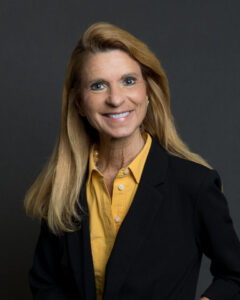 For the fourth consecutive year, Texas is recognizing October as Health Literacy Month,
thanks in part to the ongoing efforts of Teresa Wagner, DrPH, associate professor
at UNT Health Fort Worth. The annual proclamation from the Office of the Governor
recognizes the need for health literacy, citing clear and accessible medical information
as “essential to patient health and well-being.”
For the fourth consecutive year, Texas is recognizing October as Health Literacy Month,
thanks in part to the ongoing efforts of Teresa Wagner, DrPH, associate professor
at UNT Health Fort Worth. The annual proclamation from the Office of the Governor
recognizes the need for health literacy, citing clear and accessible medical information
as “essential to patient health and well-being.”
Health literacy is the degree to which individuals can find, understand, and use health information and services to make informed health-related decisions and actions for themselves and others. Statistically, poor health literacy leads to several preventable outcomes such as increased hospitalizations and medical expenses, poor disease management as the result of misunderstanding chronic conditions and higher mortality rates.
Language barriers can make it more difficult for patients to understand health information, communicate with providers and navigate their resources. The U.S. Department of Health and Human Services’ Healthy People 2030 initiative addresses this challenge through an objective to “increase the proportions of adults with limited English proficiency who say their providers explain things clearly.” In Texas, the proclamation reinforces the importance of making health information accessible to diverse communities. Wagner continues to educate others about health literacy and help individuals better understand the health care resources available to them.
“Over the years, I have noticed a greater awareness of health literacy across Texas,” Wagner said. “Yesterday, I spoke to a class and asked who was familiar with health literacy. Everyone raised their hands, but that would not have been the case in 2019.
“My goal in returning to UNT Health was to develop the university’s health literacy infrastructure. As a DrPh student at UNT Health, I had to create my own health literacy residency as one did not previously exist in the southwestern region of the country. I wanted to provide future students a place to learn health literacy skills and about the field.”