
Healthy Takes: How worried should you be about an outbreak?
 A food recall hits the news. Cases of a respiratory illness begin climbing. Or suddenly,
an unfamiliar infectious disease is making headlines.
A food recall hits the news. Cases of a respiratory illness begin climbing. Or suddenly,
an unfamiliar infectious disease is making headlines.
How worried should you be?
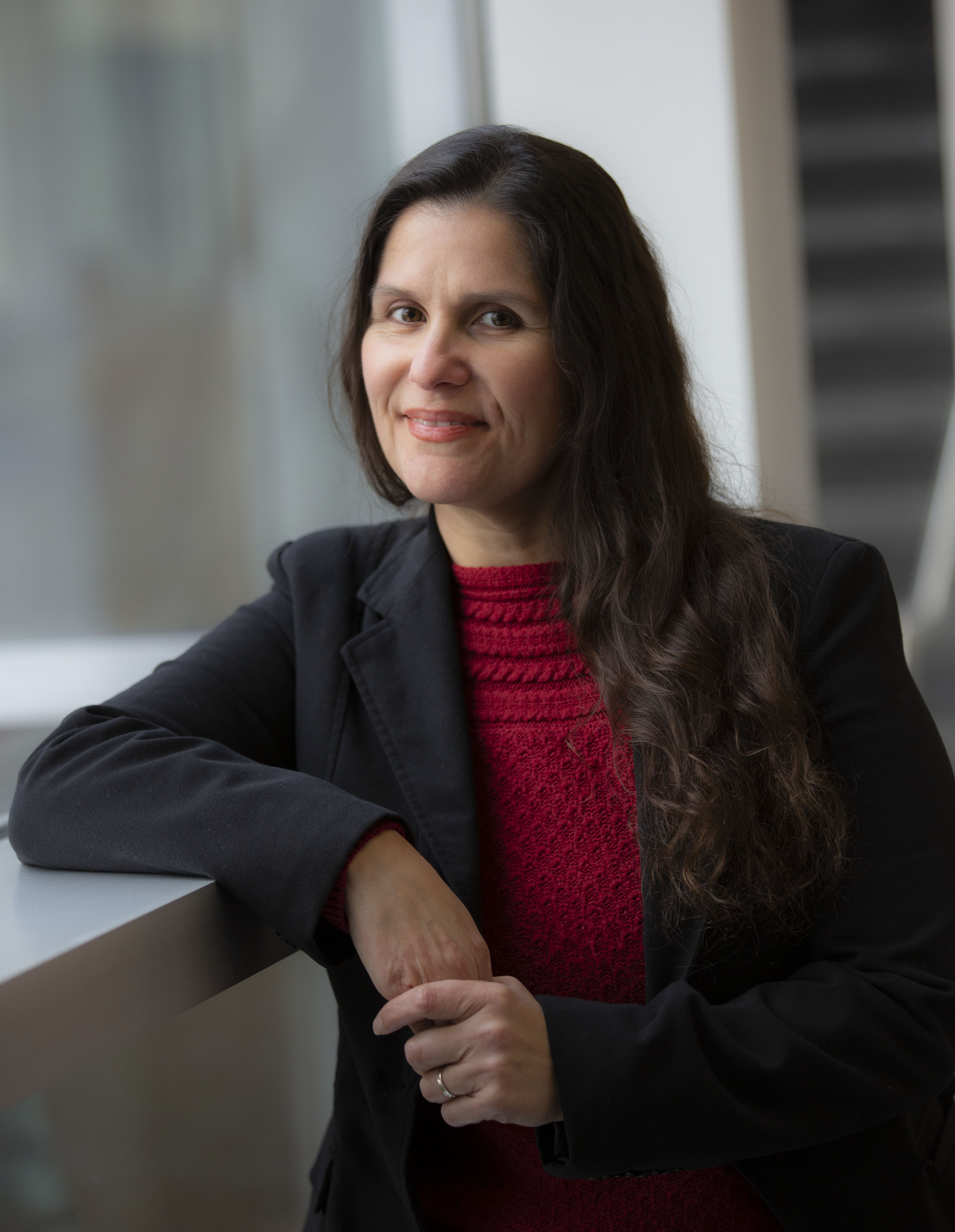
For Dr. Diana Cervantes, associate professor of population and community health at UNT Health Fort Worth, the answer depends on more than the number of people getting sick.
An infectious disease epidemiologist with years of experience investigating and responding to outbreaks at the local and state levels, Cervantes looks at factors such as how easily an illness spreads, who is being affected and how likely it is to cause severe disease.
Cervantes explains what epidemiologists look for during an outbreak, how they track down its source and what you can do to protect yourself and those around you.
What makes an outbreak concerning?
Not every outbreak poses the same level of risk.
One of the first things Cervantes considers is how the disease spreads. An illness that can easily pass from person to person, particularly when someone can spread it without showing symptoms, can be especially concerning.
The population affected matters, too.
An infection that causes relatively mild illness in a healthy adult could have much more serious consequences for an older adult, infant or someone who is immunocompromised.
"How it spreads and who's affected — those are the big things you want to look at," Cervantes said.
What actually makes something an outbreak?
An outbreak doesn't necessarily mean hundreds or thousands of people are sick.
The definition varies depending on the disease and circumstances. In some situations, even a single case can be considered an outbreak.
Cervantes points to Legionnaires' disease as an example. One case in a nursing home can trigger an outbreak investigation because residents are particularly vulnerable to severe illness.
For other diseases, epidemiologists may look for case numbers that are higher than what would normally be expected in a particular place and time.
How do epidemiologists figure out where an outbreak started?
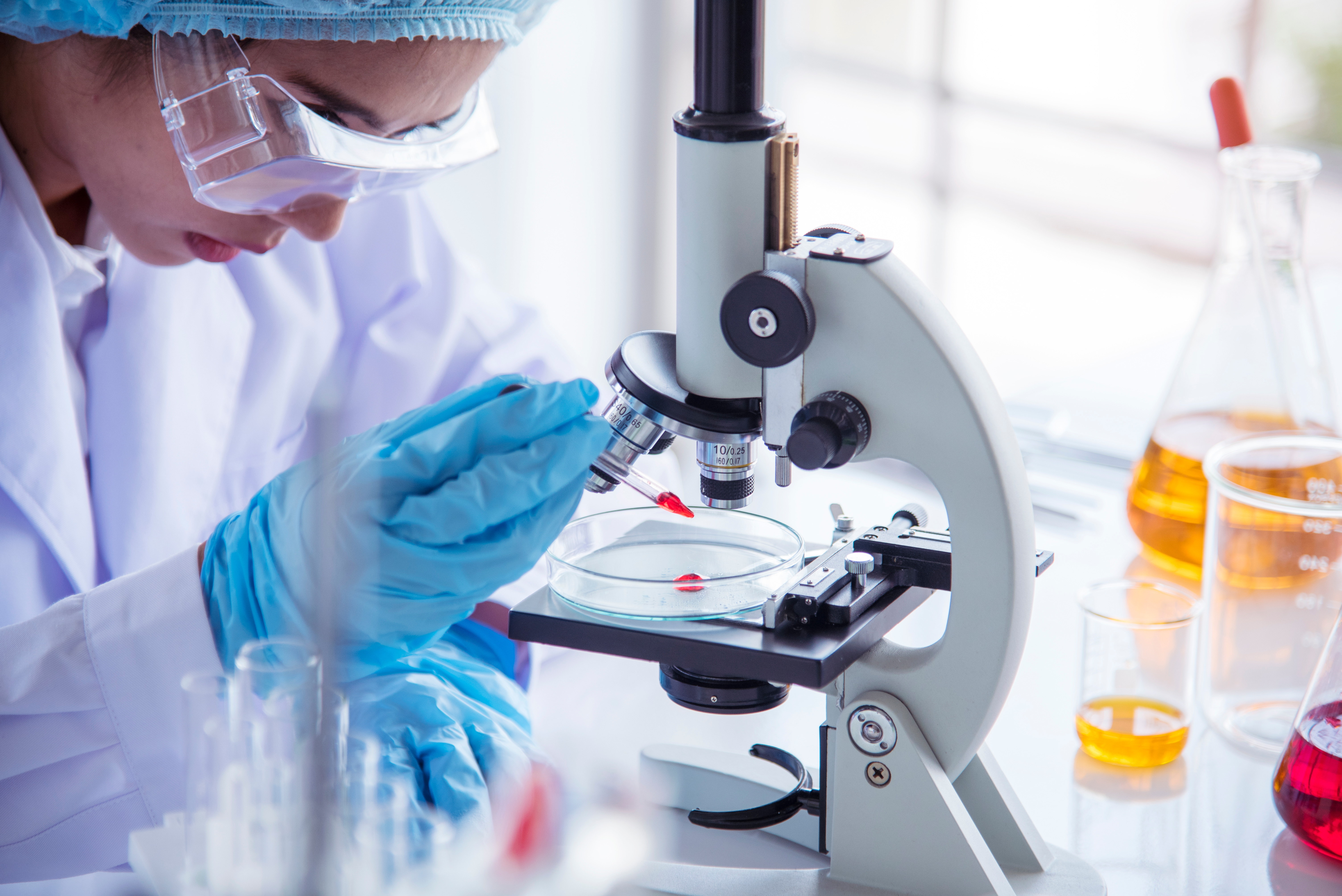 Think of it like detective work.
When someone tests positive for certain infectious diseases, public health epidemiologists may contact them to learn where they've been, what they've eaten and other information that could help identify a common source or exposure.
That can be harder than it sounds.
With some foodborne illnesses, weeks can pass between exposure, the onset of symptoms, testing and the health department receiving the results. By the time an epidemiologist calls, a person may be asked to remember what they ate or where they went several weeks earlier.
And if you see an unfamiliar number from the health department calling? Cervantes has one request: Pick up the phone.
"Just like a crime scene, if there are no witnesses, it's hard to solve that crime," she said. "It's hard to solve the outbreak if there's nobody who's willing to talk."
Your physician's job is to diagnose and care for you. The epidemiologist has a different role.
"That's a doctor's job — to take care of you," Cervantes said. "It's an epidemiologist's job to take care of everybody else."
How can you separate reasonable precautions from panic?
Risk isn't the same for everyone.
Someone caring for a newborn, for example, may choose to take more precautions than a healthy adult because infants can be more vulnerable to severe illness.
Rather than viewing infectious disease precautions as all or nothing, Cervantes encourages people to understand their individual risk, learn what protective options are available and make informed decisions.
Reliable information is an important part of that process. Cervantes recommends starting with your local health department, which has the most direct knowledge of what's happening in your community. State public health agencies can provide a broader picture of what's happening across a region.
What can you do to protect yourself?
Some of the most effective precautions are also the simplest.
Wash your hands regularly, especially before eating and after using the restroom. Avoid close contact with people who are sick. And when you're the one who's sick, stay home and limit contact with others when possible.
Cervantes also recommends paying attention to infectious disease trends in your community. If illnesses such as influenza are circulating widely and you develop symptoms, take that information into account and avoid exposing others.
What's your Healthy Take?
Don't underestimate the basics.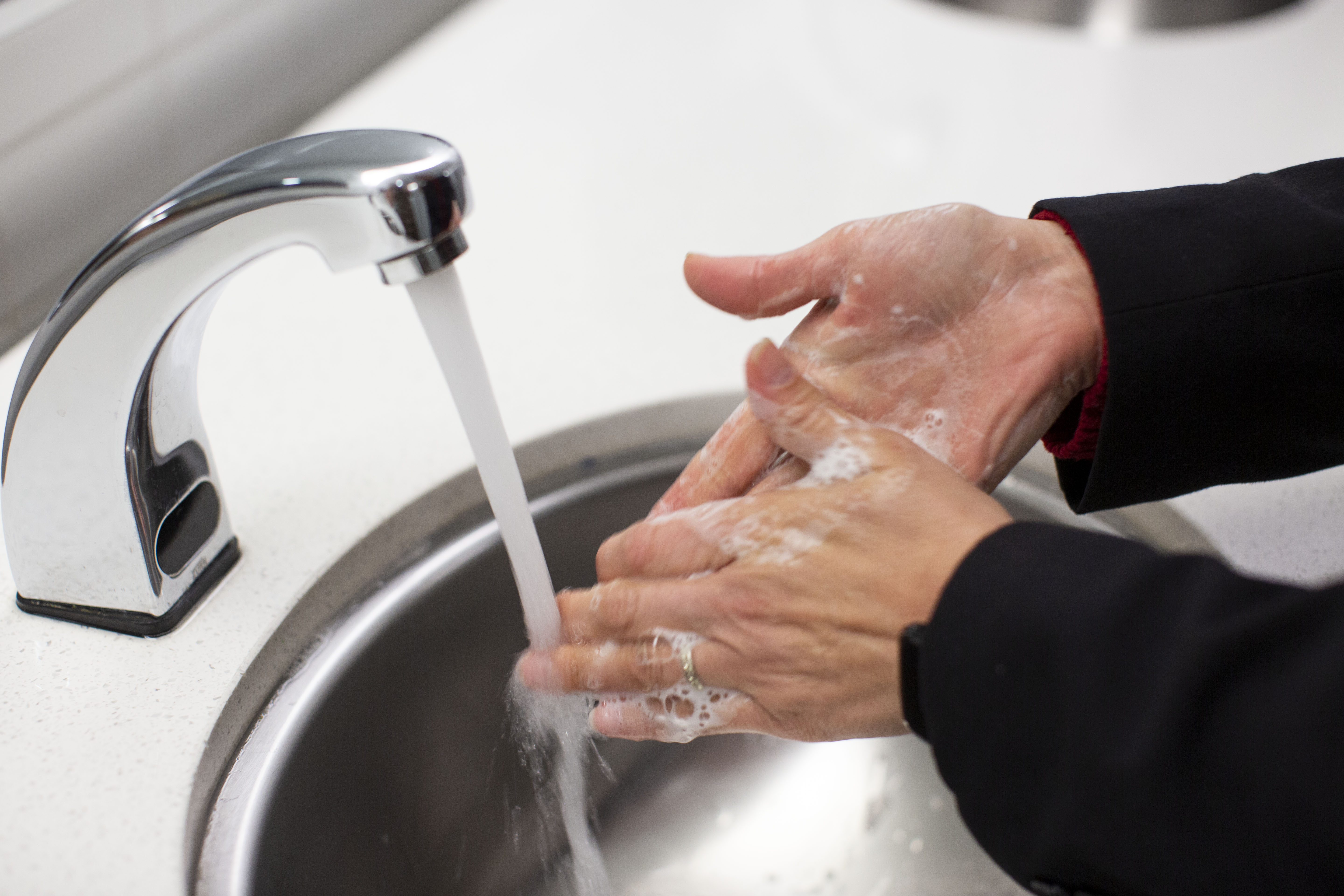
"Do those everyday things like washing your hands, staying home when you're sick and being aware of the general trends," Cervantes said.
And remember that public health is a collective effort. Epidemiologists can investigate outbreaks, health care providers can treat patients and public health agencies can provide guidance, but individuals play an important role, too.
Staying informed, taking reasonable precautions and cooperating with public health investigators can help protect not just you, but your entire community.