
From a remote village in China to TCOM, Jennie Liu carries her grandmother’s legacy into medicine
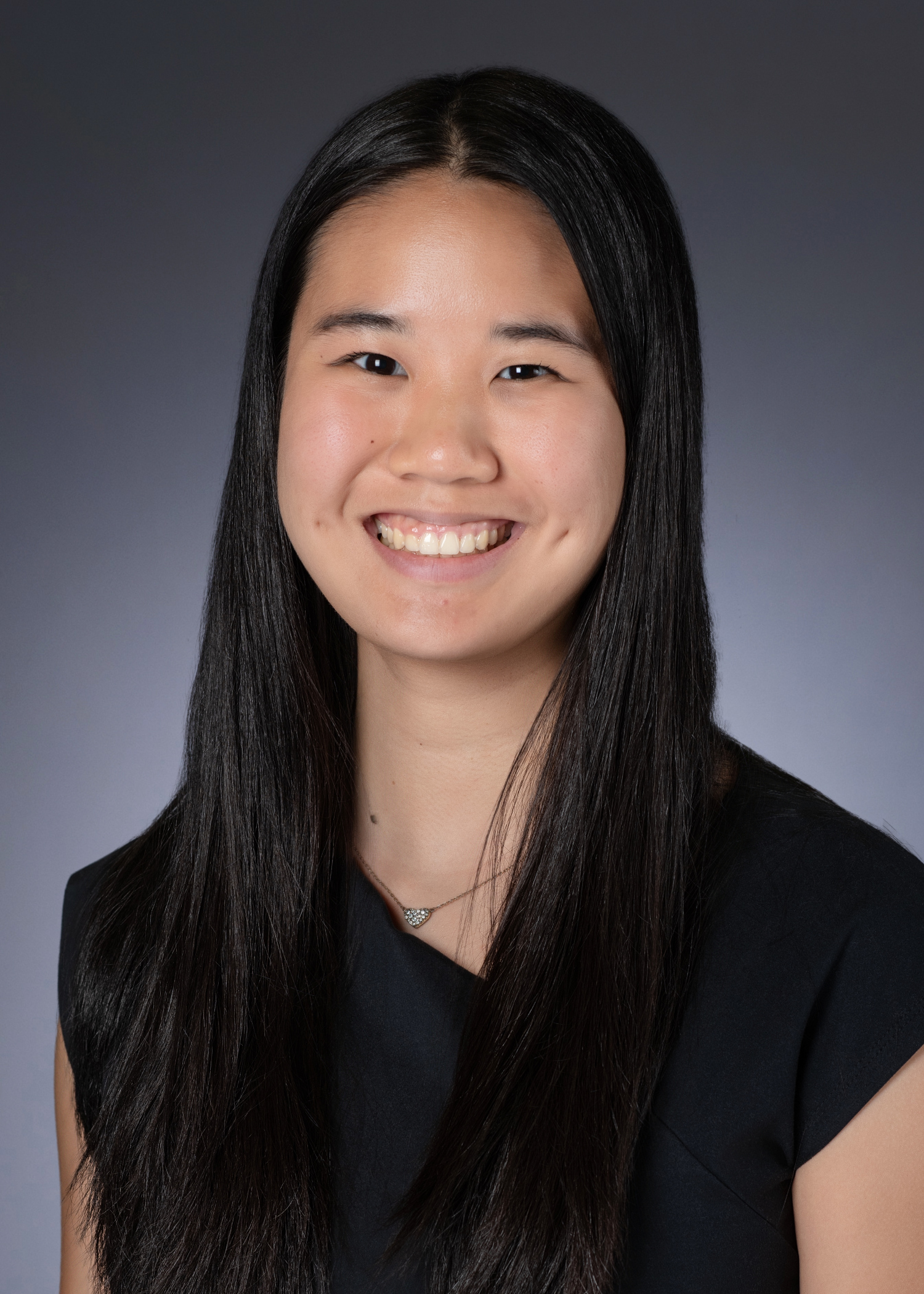 For Jennie Liu, the dream of becoming a physician began long before she understood
what medicine would ask of her. It began with stories from her grandmother when Liu
was just 5 years old. Her grandmother was a rare find: a female physician who practiced
medicine in China during the beginning of the communist era in the 1950s. She worked
in a small village north of Shenyang, China where resources were scarce. Her grandmother
sometimes traveled by rickshaw to the city to help patients, delivered babies in the
middle of the night, and, when necessary, gave patients some of her own food because
of strict meat allotments.
For Jennie Liu, the dream of becoming a physician began long before she understood
what medicine would ask of her. It began with stories from her grandmother when Liu
was just 5 years old. Her grandmother was a rare find: a female physician who practiced
medicine in China during the beginning of the communist era in the 1950s. She worked
in a small village north of Shenyang, China where resources were scarce. Her grandmother
sometimes traveled by rickshaw to the city to help patients, delivered babies in the
middle of the night, and, when necessary, gave patients some of her own food because
of strict meat allotments.
Liu was too young to understand the significance of those stories at the time, but
they stayed with her, and now the first-year student at UNT Health Fort Worth’s Texas
College of Osteopathic Medicine is using her grandmother’s legacy as inspiration to
become a physician of her own.
“She was a catalyst for this dream,” Liu said. “I definitely want to make her proud,
but to continue her legacy.”
That legacy would eventually lead Liu from San Antonio to Washington, D.C., through
the demanding world of emergency medical services and, ultimately, back to Texas and
toward medical school.
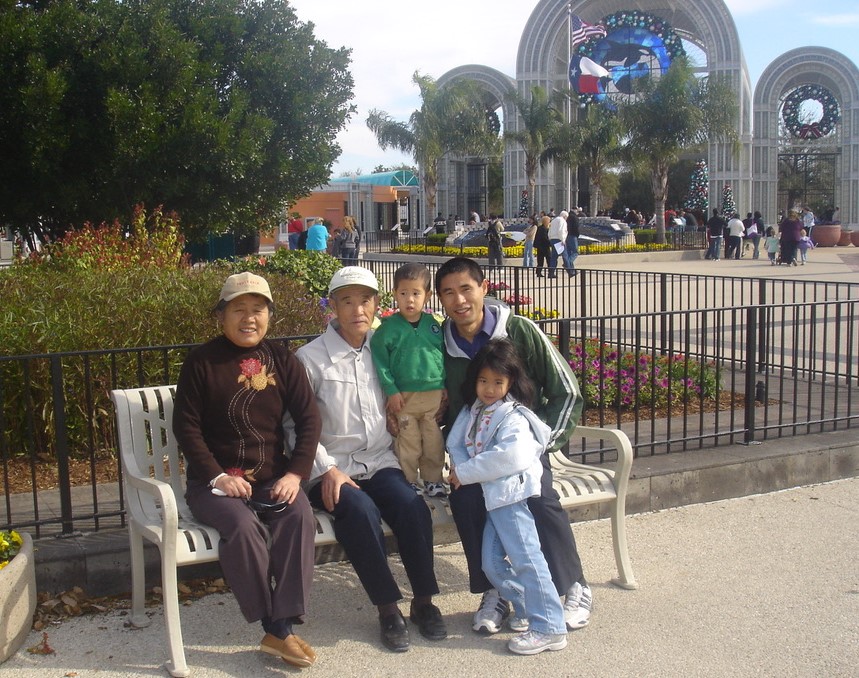 Her parents left China in 1999 and settled in Texas. Growing up in San Antonio as
an immigrant, Liu attended a Northside Health Careers High School, where she was first
introduced to the healthcare system. Through opportunities to shadow different health
professions, she began to see medicine as more than an idea inherited from her grandmother.
Her parents left China in 1999 and settled in Texas. Growing up in San Antonio as
an immigrant, Liu attended a Northside Health Careers High School, where she was first
introduced to the healthcare system. Through opportunities to shadow different health
professions, she began to see medicine as more than an idea inherited from her grandmother.
It was something she could make her own. After high school, Liu made an even tougher
decision to leave Texas and her family to attend George Washington University in Washington,
D.C.
“I had to learn to live on my own without my family,” she said. “I had to grow up
really fast. I had to learn to cook for myself and do the basic things and necessities
of life. My parents were 1,000 miles away, but I wanted that independence.”
Being away from home gave her the independence to discover who she was and what she
wanted. During college, she became an EMT and volunteered as a first responder at
a fire station in Montgomery County. The experience changed her understanding of healthcare.
Working overnight shifts on Fridays, Saturdays, and Sundays so her EMS work would
not interfere with her studies, Liu encountered patients on some of the most difficult
days of their lives. She saw emergencies, but she also saw something deeper: the social
circumstances that often brought people to the back of an ambulance in the first place.
Some of the most memorable calls were not medical emergencies at all.
“The biggest surprise came from the non-medical calls,” Liu said. “It surprised me how those experiences helped shape the kind of physician I hope to become."
She became increasingly interested in social determinants of health, the fragmentation
of the healthcare system and the ways physicians can advocate for patients beyond
the walls of a hospital.
She encountered members of the unhoused population who would call EMS because they
needed somewhere to go—to sleep, to eat, or simply to find temporary relief from circumstances
that the healthcare system was never designed to solve.
Her time as an EMT also taught her something equally important: why she loved medicine.
“I never stopped learning,” she said. “Even when I would run hundreds of calls, I
would learn something new, or new about people or medicine.”
She loved the combination of science, problem-solving and human connection. But she
also discovered a limitation of emergency medical services.
“What I didn’t like about being an EMT was the lack of continuity of care,” Liu said.
“You lose touch with a patient and lose contact and don’t know what happened to them.”
After graduating from George Washington, Liu enrolled in UNT Health’s MS in Medical
Science program. Getting a spot into TCOM was challenging for Liu, but she loved learning
and helping people and, in the background, there was always her grandmother.
Liu’s grandmother returned to China later in life after developing cancer. She died
when Liu was only 8 years old. Before she passed, Liu remembers her grandmother telling
her to take care of her younger brother and “to follow my dreams.”
It took years for Liu to understand what that goodbye meant fully. As she grew older,
she began asking more questions and hearing more stories about the woman her grandmother
had been.
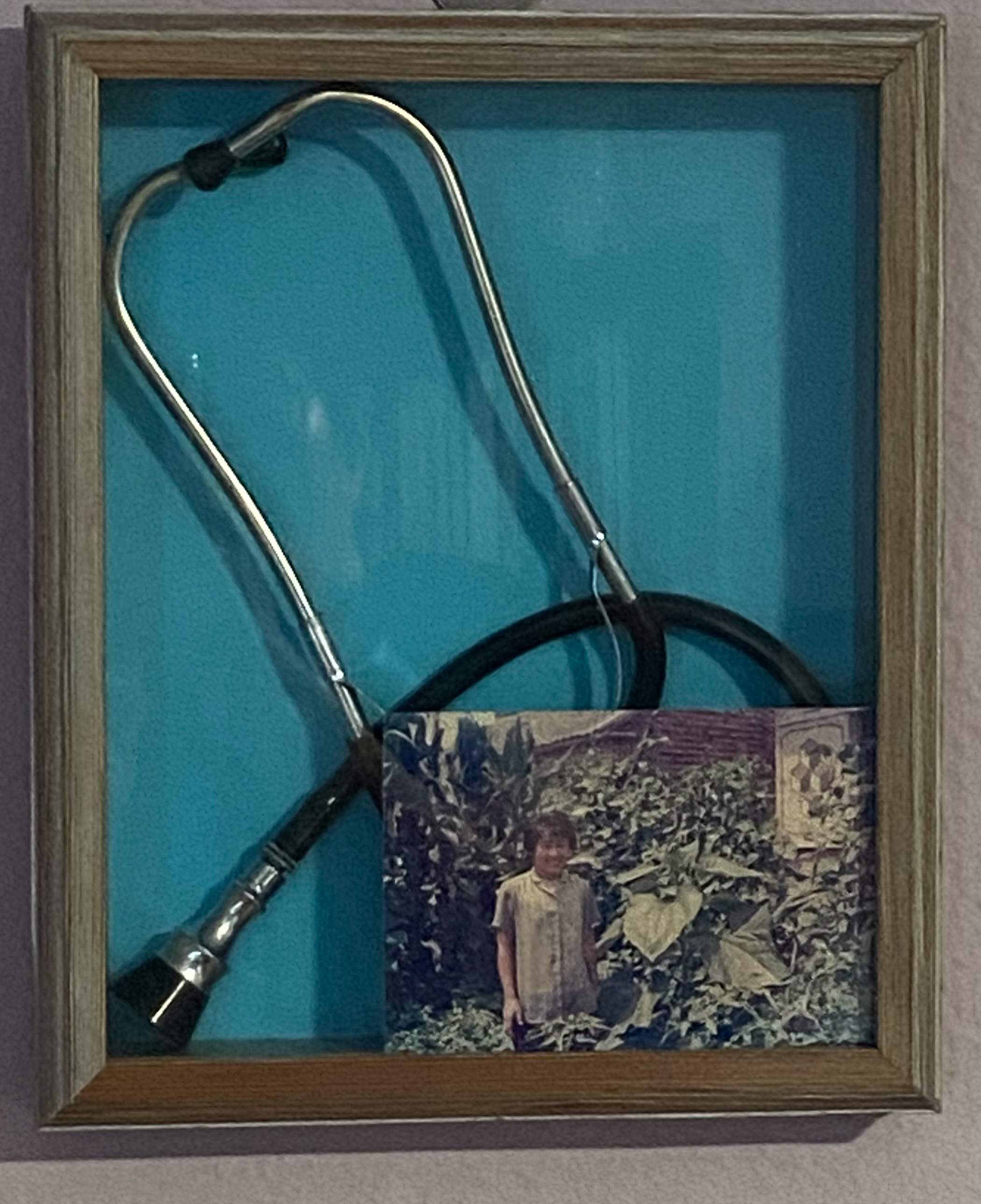 Then she found her grandmother’s old stethoscope.
“I asked if I could hang it up in my room,” Liu said. “I did that in middle school.
It’s at home right now, but I hope to bring it here to Fort Worth.”
Her grandmother’s stethoscope was hers. Now, Liu has her own that she received at
TCOM’s Stethoscope Celebration in July.
“It was a full-circle moment,” Liu said. “She wanted me to have her old stethoscope,
but it was hers, and this one is mine.”
Liu knows medicine will not always be easy. The health care system can be frustrating.
The demands of the profession can be draining. There will be days when the challenges
threaten to obscure the reason she chose this path. That is when she plans to remember
where she came from.
“I feel like medicine can drain people over time, and the system isn’t perfect,” she
said. “My why is going to be important to make it through my career and be satisfied.”
Liu’s why is simple. It is to fulfill a lifelong dream, to remember that her family
sacrificed everything when they came to the United States, and to honor a grandmother
who practiced medicine in a small Chinese village with no more than determination
and compassion.
“Probably, my why is to follow a lifelong dream and be able to make a meaningful impact
on somebody’s life,” Liu said. “Thinking back to the old stories of China and my parents'
lives back there, as a child of an immigrant, I can’t help but be so thankful for
how far I have come. My parents didn’t have an easy path to the U.S. They left everything
behind, their friends, their culture, all of it. They gave up so much and are so selfless,
and that’s what is inspiring.”
For Liu, becoming a physician is not simply about following in her grandmother’s footsteps.
It is about taking the lessons her grandmother left behind—compassion, sacrifice, service and the courage to follow a dream—and carrying them forward into a new generation of medicine.