
Stroke survivor finds purpose and community in UNT Health's physical therapy program

Holli Richards
When Holli Richards first entered physical therapy school at UNT Health Fort Worth, she already knew the profession could change lives.
Years earlier, following two surgeries during high school, Richards spent months in rehabilitation. The experience introduced her to a physical therapist whose compassion and encouragement transformed her recovery and ultimately inspired her career path.
"I always knew I wanted to work in health care, but I wasn't certain which path to pursue," Richards said. "What stood out most was the meaningful relationship my physical therapist built with me throughout my recovery. That experience inspired me to pursue a career where I could make that same lasting impact in someone else's life."
Today, Richards is a second-year Doctor of Physical Therapy student in the College of Pharmacy and Health Professions. In addition to her coursework, she serves as a Center for Academic Performance tutor, a Department of Physical Therapy anatomy prosector and president of the NeuroRehab Student Association.
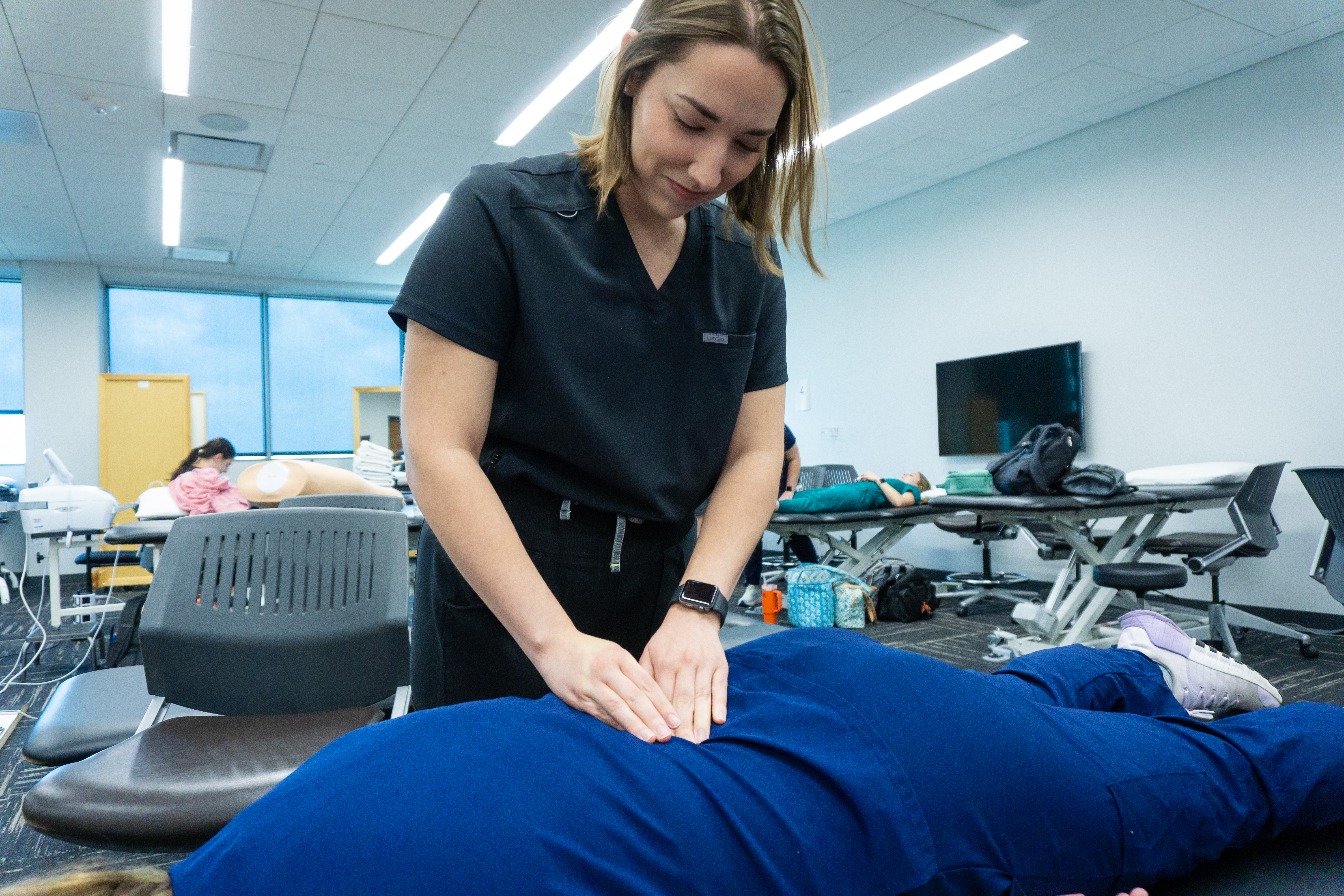 She said UNT Health stood out from the moment she interviewed for the program.
"I was drawn to the program's emphasis on research, collaboration and compassionate care," Richards said. "The welcoming faculty and supportive environment made my decision easy."
That support became especially meaningful during the start of her second year when she suffered a stroke caused by an undiagnosed heart defect.
"It came as a complete shock and raised many questions about whether I would be able to continue in the program," Richards said. "I was overwhelmed by uncertainty and fear of how this would shape the rest of my life."
While recovering in the intensive care unit, Richards received a FaceTime call from Michael Furtado, PT, DPT, EdD, chair and associate professor in the Department of Physical Therapy.
"He reminded me that I belonged in this program and encouraged me to focus solely on my recovery," Richards said. "That conversation brought me an incredible sense of peace during the hardest time of my life."
Faculty members continued to support her throughout her recovery. Richards credits Assistant Professor Elizabeth Garcia, PT, DPT, with helping her navigate both physical and emotional challenges after returning to school.
"When I questioned whether I could continue, she continually reminded me of my strength and gave me hope that I would emerge from this experience even stronger," Richards said.
Faculty members Mindy Brummett, PT, DPT, ScD, and Beverly McNeal, PT, DPT, also remained in close contact with Richards and her family, offering encouragement and support throughout her recovery.
Her classmates played an equally important role.
"Within hours of learning about my stroke, they organized a Meal Train and surrounded me with meals, cards, prayers and constant encouragement," Richards said. "Their compassion has carried me through some of my hardest moments."
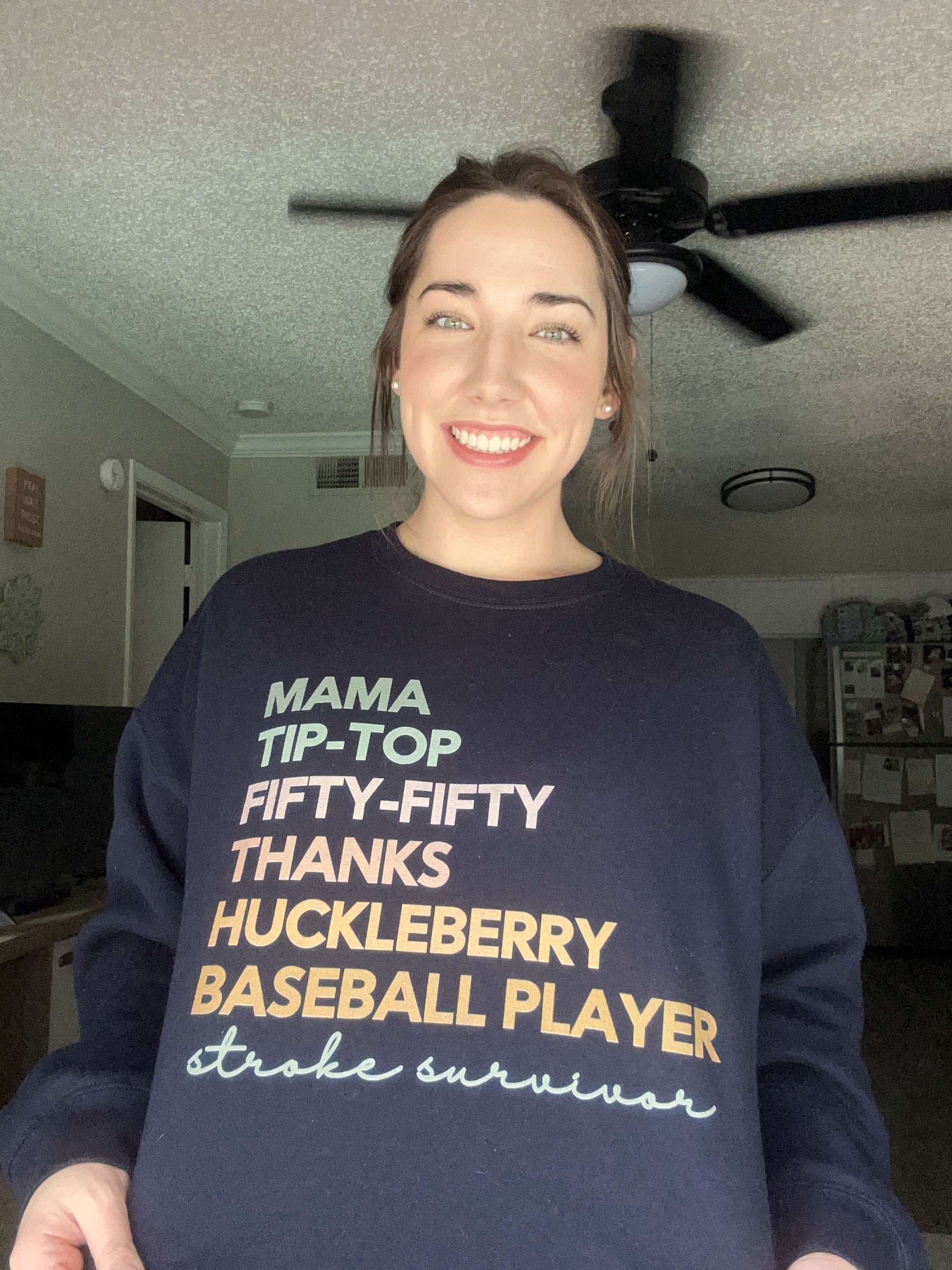 As a stroke survivor, Richards now brings a unique perspective to her future career.
She hopes to specialize in neurologic physical therapy, particularly neurodevelopmental
pediatrics, and use her experiences to help patients navigate their own recovery journeys.
As a stroke survivor, Richards now brings a unique perspective to her future career.
She hopes to specialize in neurologic physical therapy, particularly neurodevelopmental
pediatrics, and use her experiences to help patients navigate their own recovery journeys.
"More than anything, I hope to be the kind of therapist who helps patients feel seen, supported and capable," Richards said. "If I can restore not only movement but also hope and confidence, I will consider my career a success."
Richards has already found opportunities to make an impact through the NeuroRehab Student Association, including participating in NeuroAware, the organization's annual balance and wellness screening event that promotes education and preventative care throughout the community.
One early experience in the program reaffirmed that she had chosen the right profession. During an interprofessional simulation, Richards noticed a patient seemed anxious and offered reassurance with a simple gesture.
"At the end, she became emotional and shared that such a small gesture meant the world to her," Richards said. "In that moment, I realized physical therapy is about so much more than restoring movement. It's about helping people feel seen, supported and cared for during some of life's most vulnerable moments."
For students considering a career in physical therapy, Richards encourages them to identify the purpose that drives them.
"My biggest piece of advice is to know your 'why,'" she said. "The journey is incredibly rewarding, but it is also challenging. If you are passionate about serving others and committed to lifelong learning, physical therapy offers the opportunity to make a lasting impact in the lives of your patients every single day."