
UNT Health Student Food Pantry celebrates 10 years of supporting students

The new UNT Health Student Food Entry
Ten years ago, a simple call for help sparked what would become a lasting source of support for students at UNT Health Fort Worth.
Dr. Emily Mire, assistant vice provost for student affairs, reached out to the campus community asking for donations to help meet students’ basic needs. Within hours, donations began coming in.
A decade later, UNT Health's student food pantry is marking its 10th anniversary by opening the doors to a new, expanded space on the first floor of the Gibson D. Lewis Library.
Students, faculty and staff across UNT Health are invited to celebrate the milestone and grand opening from 2 to 4 p.m. Tuesday, Aug. 25. The celebration will include an iced tea and iced coffee bar, popcorn and giveaway items.
For Dr. Teresa McKinney, director of the Student Assistance Resource Center, the growth of the pantry over the past decade reflects a simple but important mission.
“Students can’t learn if they’re hungry,” McKinney said. “We want to make sure that their most basic needs are met.”
The new location makes the pantry more accessible to students while allowing the Student
Assistance Resource Center to offer a wider variety of food, including more refrigerated
items and fresh produce. 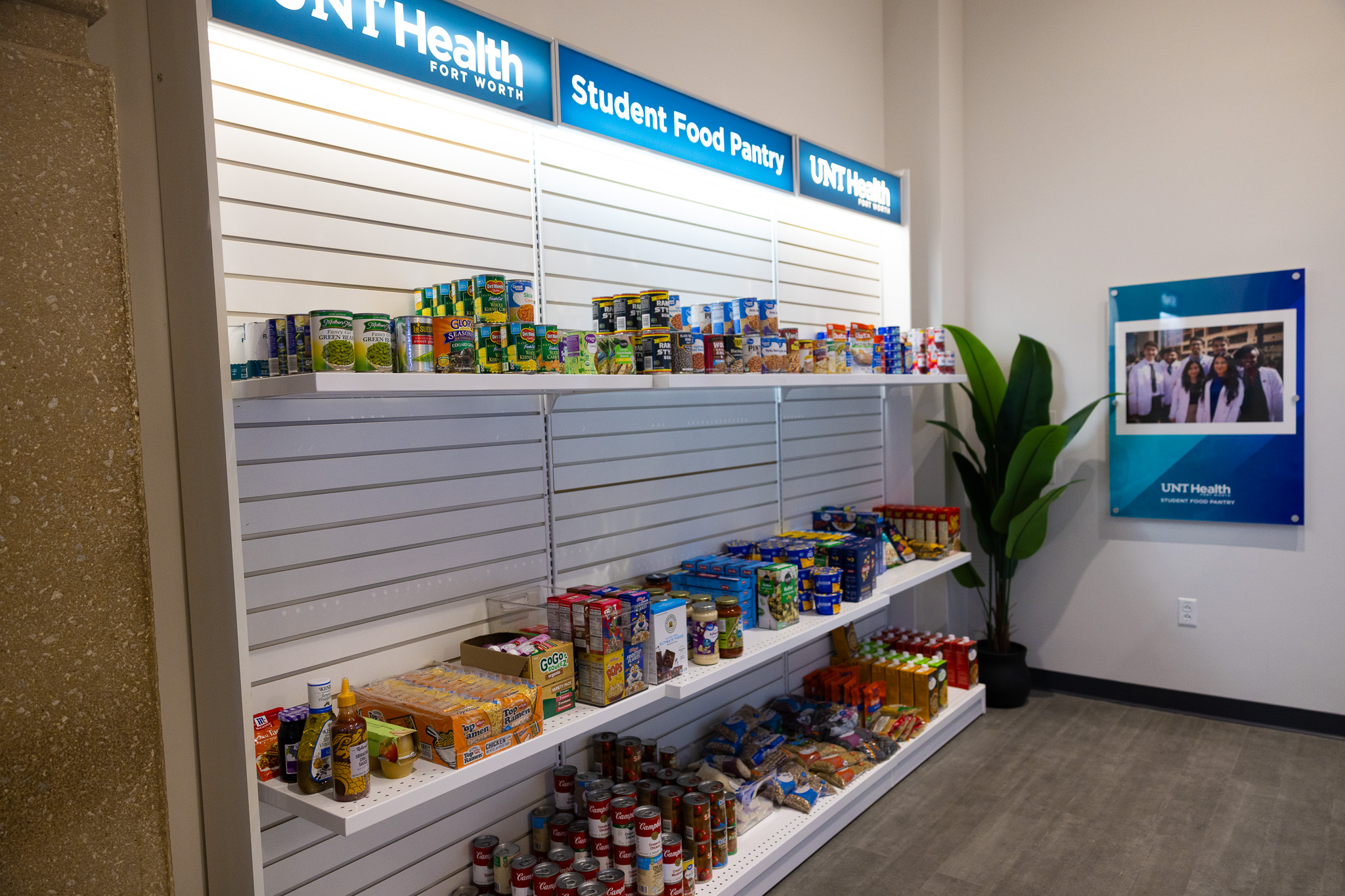
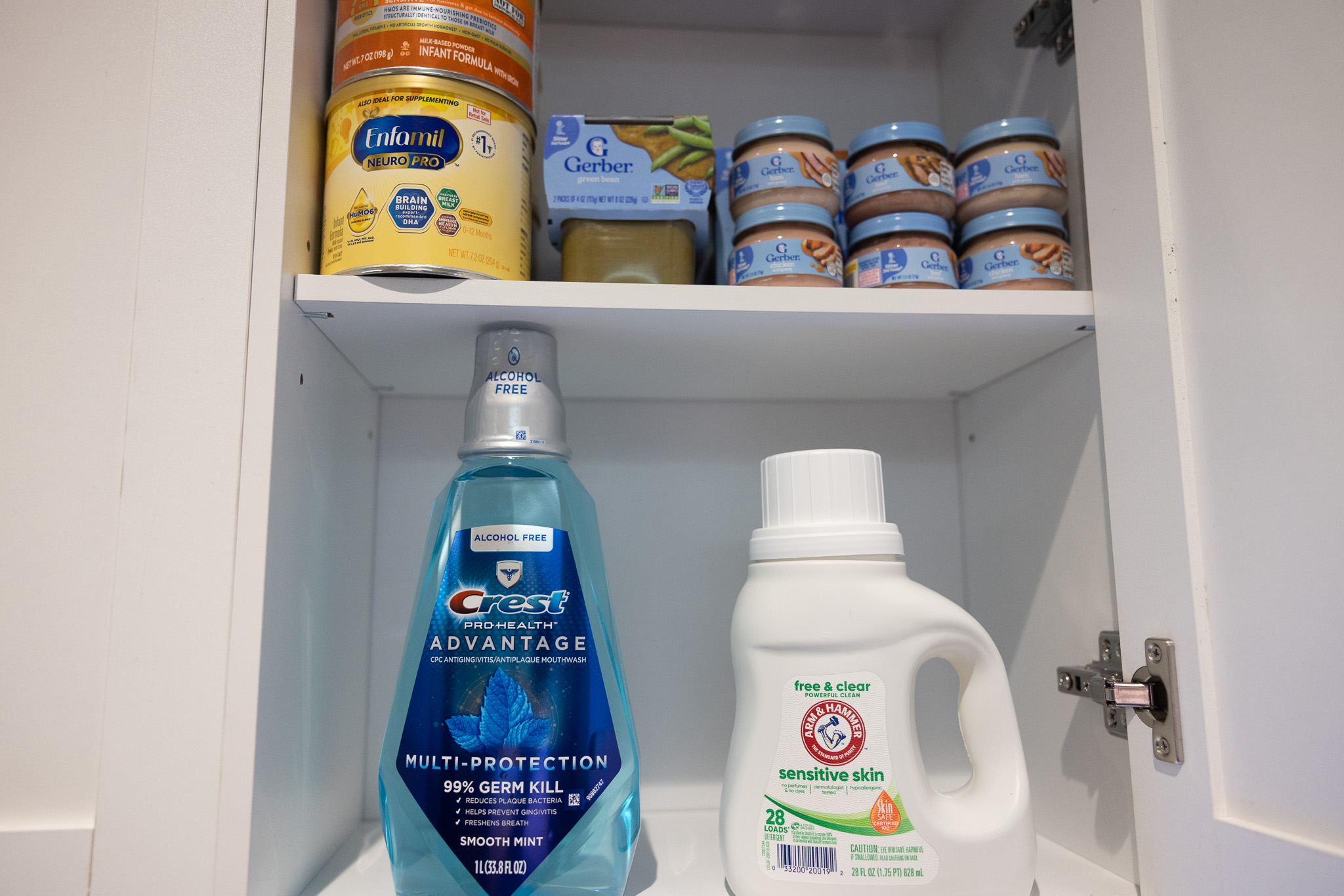
Students can also find shelf-stable staples such as pasta, peanut butter, bread and canned goods, along with frozen foods, snacks, baking supplies and cereal. Toiletries, child-care supplies and other personal items are available as donations allow.
For second-year physician assistant student Isaac Stecher, those seemingly ordinary items can make a meaningful difference.
With the demands of PA school leaving little time for outside employment, Stecher said the pantry has helped supplement his household’s food budget. He typically visits the pantry about twice a week and remembers being surprised during his first visit by the variety available, from canned goods to fresh vegetables and occasional refrigerated items.
Sometimes, the difference is something as simple as a box of cereal.
“We are not at a point where we can buy breakfast cereal,” Stecher said.
When a box such as Honey Nut Cheerios is available at the pantry, he said, something
most people might consider an everyday grocery item becomes a treat. 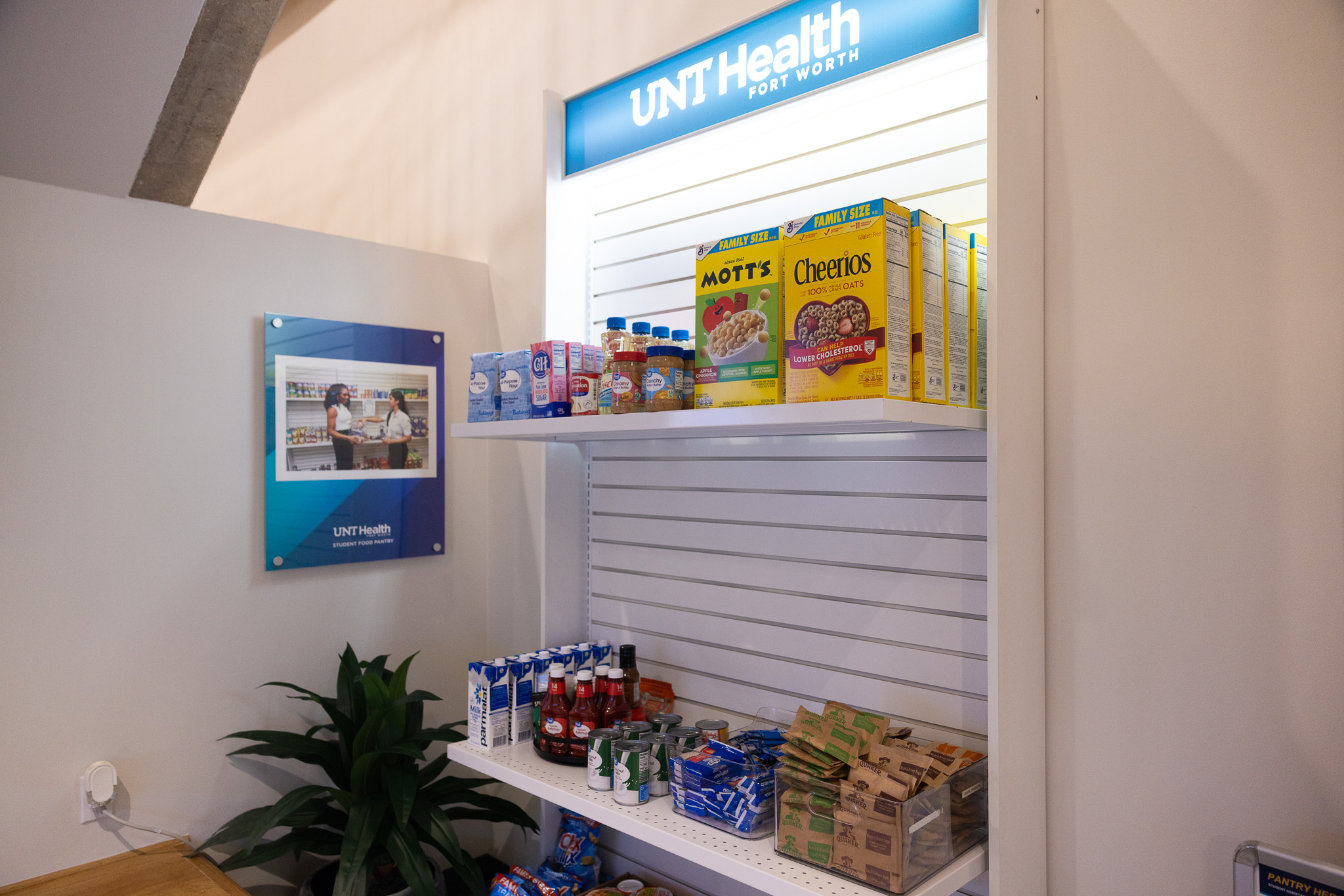
The pantry also provides something less tangible: peace of mind.
Having regular meals, Stecher said, allows students to be more mentally available to study, participate in class and focus on their education instead of worrying about their next meal. Knowing there is breakfast for the next few days or bread for lunches during the coming week can take one more concern off a student’s plate.
That connection between students’ basic needs and their academic success is exactly why the pantry exists, McKinney said.
But making food available is only part of the work. Helping students feel comfortable using the resource is important, too.
Kaylee Brunetti, a third-year PhD student in the College of Biomedical and Translational Sciences, became an advocate for the pantry while serving as president of the Student Association of Biomedical Sciences. She worked with the Student Assistance Resource Center on efforts to support the pantry and connect students with food, including a Thanksgiving food distribution.
 The mission is also personal for Brunetti. Growing up in a low-income, single-parent
household in Alabama, her family relied on food banks and food assistance. She remembers
the shame and embarrassment she sometimes felt as a child and wants students today
to know that asking for help is nothing to be ashamed of.
The mission is also personal for Brunetti. Growing up in a low-income, single-parent
household in Alabama, her family relied on food banks and food assistance. She remembers
the shame and embarrassment she sometimes felt as a child and wants students today
to know that asking for help is nothing to be ashamed of.
“The food pantry is here for you,” Brunetti said. “There’s no shame in needing help. There’s no shame at all.”
Brunetti said creating opportunities for students to access food together can also help normalize seeking assistance and remind students that they are not alone.
McKinney hopes students see the pantry in much the same way they would any other resource available through student affairs.
“We don’t want them to feel stigmatized,” she said. “In fact, we want to increase
help-seeking behaviors. This is just one of many resources, but this is the most basic.
You have to eat, right?” 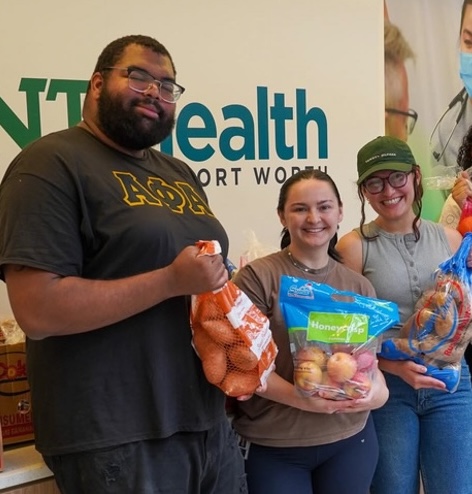
As the pantry begins its next decade, support from the UNT Health community remains central to its mission. Faculty, staff, alumni and community partners help keep its shelves stocked, and supporters can contribute money, food or their time.
A donation station outside the new pantry will allow people to drop off shelf-stable items. Those interested in donating fresh or refrigerated foods can coordinate with the Student Assistance Resource Center.

The first student food pantry set up in 2016.
For Brunetti, those donations have an impact far beyond filling a shelf.
“Just knowing that their donations make a difference and that it’s helping students and helping future generations — the future generation of scientists and doctors — and they’re making it possible for them to do that,” she said.
What began 10 years ago as a call to help students has grown into a campus resource built around that same idea.
“This dream was started by Dr. Emily Mire 10 years ago with a simple call for help
to come and serve our students and be there for our students and meet their most basic
needs,” McKinney said. “Ten years later, we’re celebrating the 10th-year anniversary
with an expansion of services, expansion of hours and accessibility.” 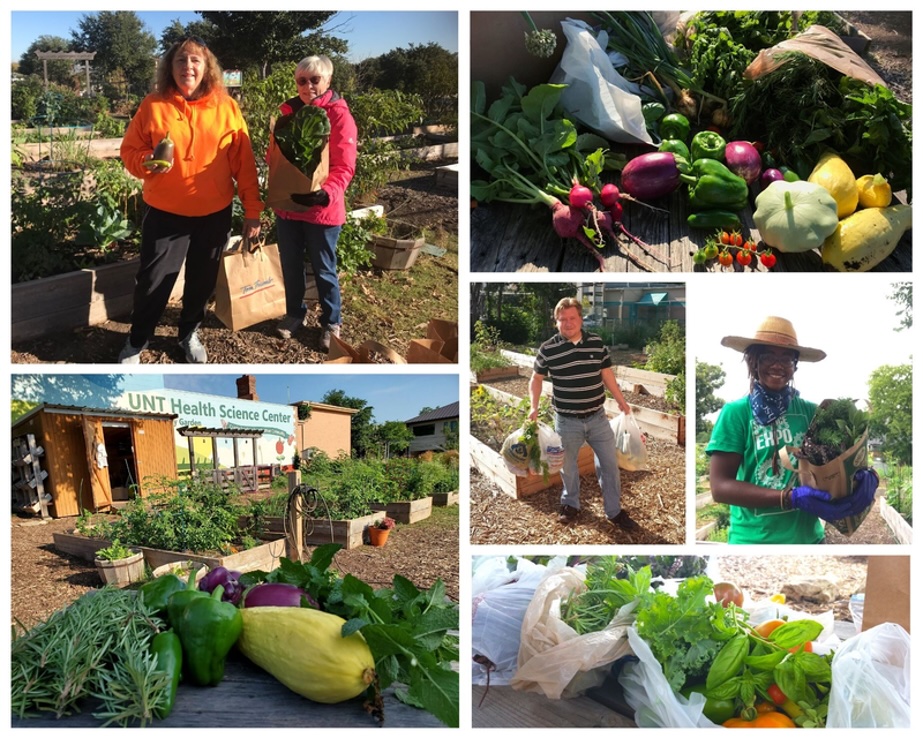
For the students who walk through its doors, however, the impact can still be as simple — and as important — as knowing their next meal is there when they need it.
The campus community can see that growth firsthand during the Student Food Pantry’s 10th Anniversary Celebration and grand opening from 2 to 4 p.m. Aug. 25 on the first floor of the library.