
When to see a cardiology doctor: seven signs you shouldn't ignore
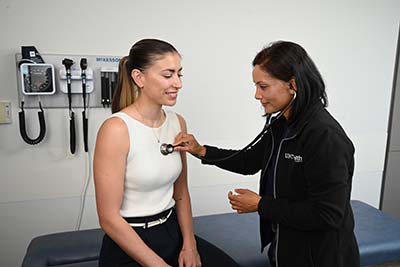
NP Urmila Regmi listens to a patient's heartbeat.
Your heart health is too important to overlook. While there are typically warning signs ahead of time, many people wait until a catastrophic health event has already occurred before booking an appointment with a cardiologist.
It’s important to recognize that not every heart issue will feel like a heart attack. In fact, some signs of heart trouble are subtle, but still serious. This blog walks through seven clear warning signs that it’s time to make an appointment with a heart doctor in your area.
What does a cardiology doctor do?
A cardiologist specializes in diagnosing, treating and preventing cardiovascular conditions. UNT Health cardiologists diagnose and treat a wide range of heart and vascular conditions, such as
- High blood pressure
- Heart disease
- Heart blockages/heart attack
- Heart rhythm disorders
- Blood vessel and circulation problems
Early intervention is essential to prevent serious complications with these chronic conditions. UNT Health Clinical Practice Group’s cardiology team will create a personalized treatment plan for each patient, equipping them to make lifestyle changes, adhere to medications prescribed, and receive ongoing care with the goal of preventing damaging cardiac events.
Seven signs you shouldn't ignore
- Chest pain or discomfort
If you are feeling tightness or pain in your chest during activity, when you are stressed, or following a meal, that can be a sign of angina, a type of chest pain that occurs when the heart cannot receive enough oxygen-rich blood. This type of pain can be an early warning sign of a heart attack.
- Shortness of breath
If you are out-of-breath during light activity or at rest, you may be experiencing the early stages of heart failure. Shortness of breath is an indicator of poor circulation.
- Dizziness, lightheadedness or fainting
Dizziness may indicate heart rhythm issues or insufficient blood flow to the brain. Heart muscle disease, arrhythmias, and heart attacks can all cause dizziness and fainting.
- High blood pressure that’s hard to control
High blood pressure should be closely monitored by a cardiology doctor to prevent damage to the heart. UNT Health Clinical Practice Group cardiologists will create a customized plan for managing hypertension that is unique to the patient.

Heart models are often used to explain complex issues to patients.
- Family history of heart disease
If you have known genetic risk factors, especially in your immediate family, early screening for cardiac issues is especially important to prioritize.
- Swelling in the legs, ankles or feet
Heart dysfunction can lead to fluid retention in the lower body. If you’ve noticed swelling in your legs or feet, call your primary care provider who can look for underlying causes, and may refer you to a cardiologist.
- Irregular heartbeat or fluttering sensations
If you feel your heart racing, skipping beats, fluttering or pounding, this could be a sign of atrial fibrillation or other arrhythmias. A UNT Health Clinical Practice Group cardiologist can perform testing to check for abnormalities.
Bonus: If you’ve been told you need a specialist
If your primary care provider (PCP) has referred you to a cardiologist, don’t delay in seeking treatment.
While you do not have to have a UNT Health PCP to access our specialty clinics, choosing UNT Health for your primary and specialty care makes internal referrals seamless. This is not only convenient for the patient, but it is also easy for your care team to share notes and streamline your appointment times.
Cardiologists offer diagnostic tools that go beyond what a regular primary care check-up can provide. Moving quickly to see a cardiologist can be the difference in early detection of an issue and a cardiac event. Schedule as soon as possible if you are referred by your PCP.
Why early action matters
Many heart conditions are manageable if they are detected early. Preventative screenings can improve your quality of life today and reduce your long-term health risks in the future. Cardiologists don’t just treat an existing problem - they help you stay ahead of problems for fewer sick days and more time enjoying life.
Looking for a cardiology doctor near you?
UNT Health Clinical Practice Group Cardiology is near downtown Fort Worth, in the heart of the Cultural District, at the corner of Montgomery St and West Seventh. Our highly-experienced cardiology specialists are accepting referrals and are standing by to help you! With a convenient location, labs on site, compassionate care, and online appointment requests, it’s never been easier to visit UNT Health cardiology.
Don’t wait and see if your symptoms will resolve themselves. Whether you’re experiencing symptoms or simply want to protect your heart for the future, our cardiology team is here to help. Request an appointment online here and a dedicated team member will reach out to help you with scheduling and insurance or referral questions.