
PRP therapy: How platelet-rich plasma supports healing and pain relief
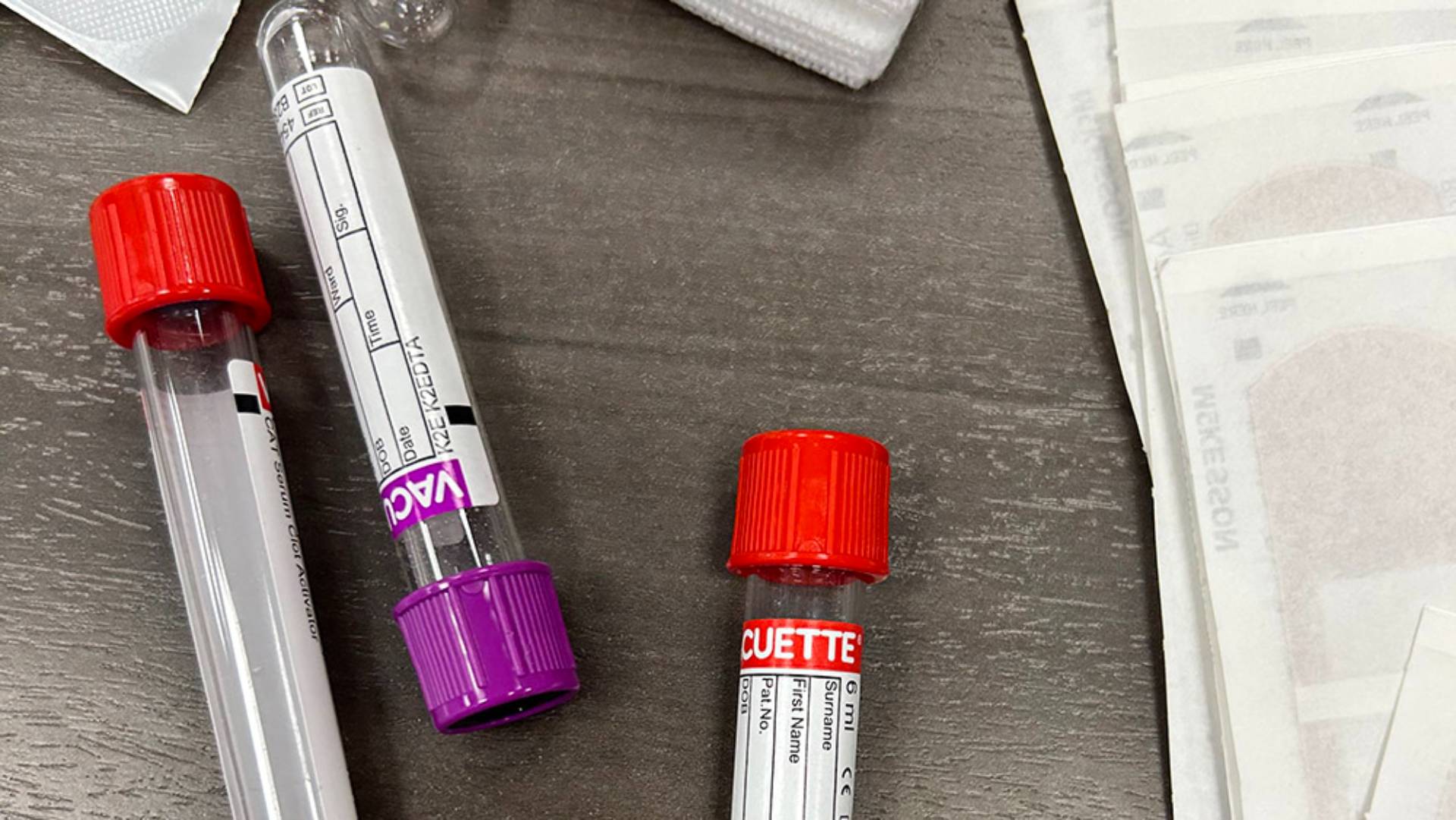
If you’ve heard about athletes turning to Platelet-Rich Plasma (or PRP) to speed up recovery, you might be wondering if it could help you too. PRP therapy is an innovative, regenerative treatment offered at UNT Health’s Osteopathic Manipulative Medicine Clinic. PRP is natural pain relief that promotes healing by using your body’s own healing potential. Keep reading to find out exactly how it works!
What is PRP therapy?
Platelet-rich plasma is created when a small amount of blood is drawn from the patient, placed in a centrifuge to separate the blood components, and the remaining plasma that has a high concentration of platelets is reinjected into the patient in an injured or damaged area of the body, where it releases growth factors to stimulate tissue repair.
Think of PRP as concentrating your body’s natural healing power and putting it exactly where it’s needed most.
What conditions can be treated with PRP?
PRP injections can be used to treat a wide variety of injuries, including:
- Sports injuries
- Joint pain
- Tendon and ligament injuries (tennis elbow, Achilles tendonitis, rotator cuff issues)
- Osteoarthritis
- Muscle strains
- Declining mobility
- Consistent pain
- Ligament or joint instability
PRP treatment for pain can be a great alternative to surgery or medication, with fast recovery times in most cases. The PRP recovery time can vary based on the injection site, the severity of the injury, and the individual being treated, but most patients can resume normal activity following their treatment. For example, PRP for sports injuries can help athletes get back to their craft with less pain and increased mobility, while PRP for joint pain can help regain stability and avoid surgery.
What to expect during a PRP appointment
Unless you are referred to osteopathic manipulative medicine for PRP therapy specifically, you will likely have an initial consultation to determine if PRP is right for you. During your platelet rich plasma treatment, you will have a blood draw and PRP will be prepared for reinjection. Following your injection, you will be given recovery and follow-up care instructions, and you will likely have a follow up appointment. While many patients feel significantly better with one set of injections, an average patient needs three to six sets of injections for maximum benefit.
If combined with appropriate lifestyle changes, PRP is a highly effective, minimally invasive pain treatment that can greatly improve function without surgery.

PRP therapy Vs. cortisone shots
Cortisone shots offer temporary relief for pain or flare ups, while PRP is regenerative medicine that aims to repair and heal the tissue long-term. Duration of the relief found in cortisone shots is typically weeks to a few months. While cortisone shots can relieve pain until your surgery date, PRP may help you avoid surgery or joint replacement altogether. PRP complements musculoskeletal healing, with osteopathic manipulative medicine addressing the biomechanical issues that may lead to injury and PRP directly stimulating the body’s natural healing process at a cellular level. Working in tandem, these are natural, holistic and highly-effective ways to address pain management.
PRP benefits and risks
Platelet-rich plasma injections are minimally invasive and low-risk. Using the patient's own blood is significantly safer than other types of injections as it lowers the risk of allergic reaction or rejection. It is possible to experience mild soreness after each treatment.
UNT Health OMM takes an integrative, patient-centered approach to care. By combining OMM techniques with the innovation of PRP, we offer comprehensive musculoskeletal care, not only reducing pain but actually healing the underlying causes of pain. Our experienced providers specialize in regenerative medicine like PRP and prolotherapy to offer a full suite of natural treatment options for patients.
Platelet Rich Plasma + UNT Health Osteopathic Manipulative Medicine
If you have chronic pain and are interested in natural healing, pain relief, improved mobility, and avoiding long-term medication or surgery, PRP therapy near downtown Fort Worth with UNT Health might be right for you! To make a new patient appointment and find out if you’re a good fit for PRP therapy, call 817-735-2235 or visit us online.