
Osteopathic Manipulative Treatment: 5 Common Questions
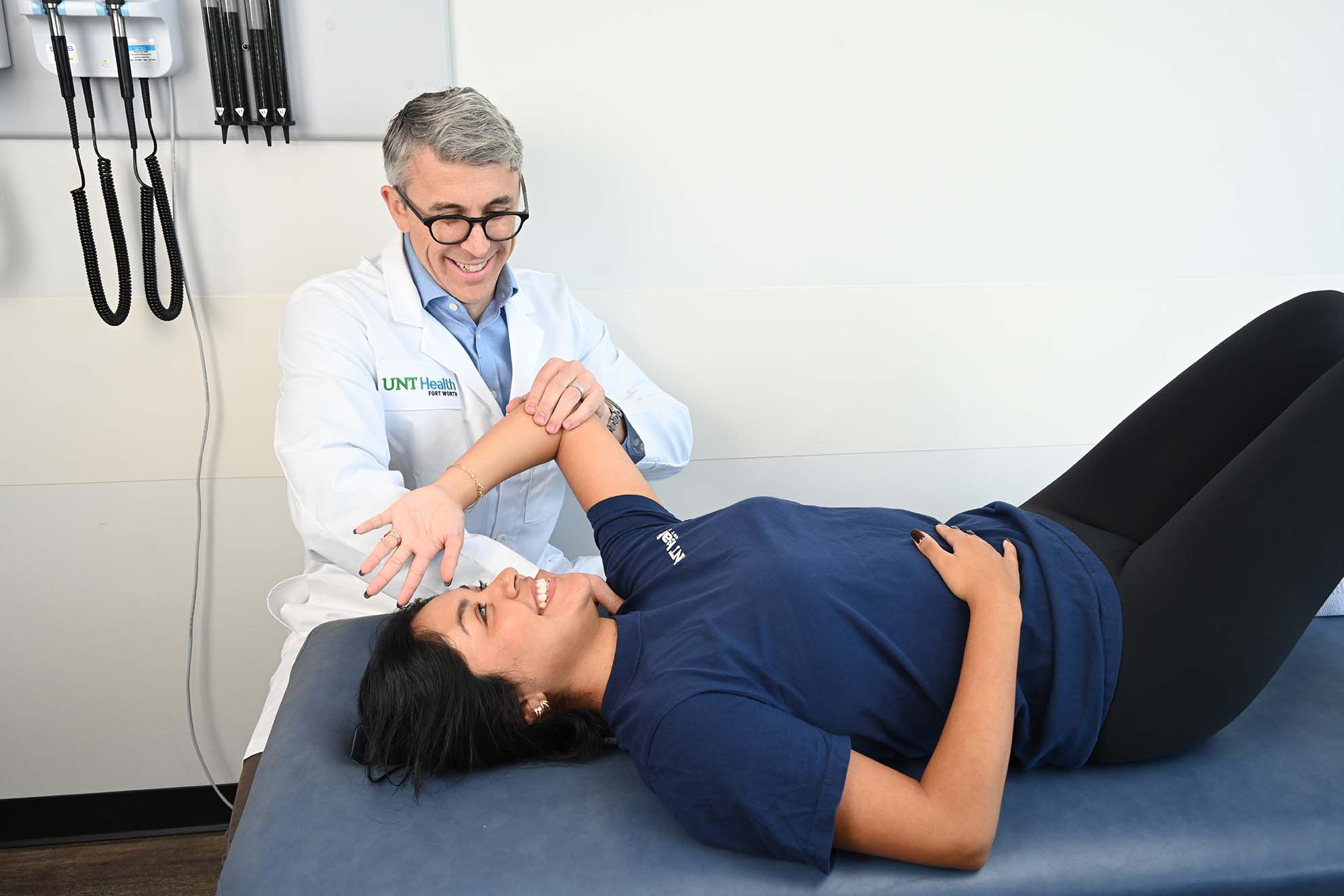
If you've never visited an Osteopathic Manipulative Medicine (OMM) clinic or experienced osteopathic manipulative treatment (OMT), you may have questions about what it involves, what it can help with and what an appointment is actually like.
OMT is a hands-on approach used by osteopathic physicians to evaluate and treat certain musculoskeletal concerns and support the body's normal function. Depending on your individual needs, your osteopathic doctor may use different hands-on techniques to address areas of the body that aren't moving or functioning as well as they should.
If you're considering OMT for the first time, here are five questions new patients commonly ask.
1. What is Osteopathic Manipulative Treatment?
Osteopathic manipulative treatment is a hands-on approach to health care used by Doctors of Osteopathic Medicine (DOs) who have specialized training in the musculoskeletal system.
During an OMT appointment, your provider uses their hands to evaluate areas of your body and may gently move, stretch or apply pressure to tissues and joints.
The goal is to identify areas where movement or function may be restricted and use appropriate techniques to help restore normal motion and function.
OMT is based on the osteopathic approach to medicine, which considers how the body's systems work together. Rather than looking at a painful area in isolation, an osteopathic physician considers how the muscles, joints, nerves and other structures may be contributing to a patient's symptoms.
OMT may be used as part of a broader treatment plan and can be combined with other approaches such as exercise, physical therapy, medication or other medical care when appropriate.
2. What can OMT Help Treat?
OMT may be used to address a variety of musculoskeletal concerns.
Depending on your individual circumstances, a physician may use osteopathic treatment for conditions or symptoms such as:
- Back pain
- Neck pain
- Joint or muscle pain
- Certain headaches
- Sports-related injuries
- Limited range of motion
- Musculoskeletal discomfort related to posture or activity
- Other conditions involving the muscles, joints and connective tissues
Osteopathic manipulation isn't appropriate for every condition or every patient. Your provider will evaluate your symptoms, health history and individual needs to determine whether OMT may be helpful for you.
It's also important to understand that OMT isn't simply about treating the place that hurts. Your provider may evaluate other areas of the body to understand how they may be contributing to your symptoms.
3. Does Osteopathic Manipulative Therapy Hurt?
This is one of the most common questions from people who have never had OMT.
OMT techniques vary depending on the patient's needs, and many techniques involve gentle movement, stretching or pressure. Some techniques may produce a sensation of pressure, stretching or temporary discomfort, particularly when working with an area that is already tight or tender.
Your provider will explain what they're doing and adjust the technique based on your comfort level and response.
It's important to communicate with your provider during treatment. If something hurts or doesn't feel right, let them know.
You may experience some temporary soreness after treatment, similar to what you might experience after other forms of physical activity or hands-on treatment. Your provider can discuss what to expect based on the techniques used during your appointment.

4. Is OMT the Same as Chiropractic Treatment?
OMT and chiropractic care both involve hands-on approaches to the musculoskeletal system, but they are not the same thing.
OMT is provided by osteopathic physicians who receive training in the full practice of medicine as well as additional training in osteopathic principles and the musculoskeletal system.
An osteopathic physician can evaluate your symptoms from a broader medical perspective, diagnose medical conditions and determine whether OMT or another treatment approach is appropriate.
OMT also includes a variety of techniques. Treatment isn't limited to a single type of spinal manipulation, and the techniques used can vary depending on the patient's condition, symptoms and goals.
The important takeaway is that OMT is part of a physician-led approach to patient care rather than a standalone treatment that is appropriate for everyone.
5. What Should I Expect During My First OMT Appointment?
Your first appointment will typically begin with a conversation about your symptoms, health history and concerns.
Your provider may ask:
- When did your symptoms begin?
- What makes them better or worse?
- Have you experienced this problem before?
- Have you had an injury?
- What activities or movements affect your symptoms?
- What treatments have you already tried?
Your provider may then perform a physical examination and evaluate your posture, range of motion and musculoskeletal system.
If OMT is appropriate, your provider will explain the treatment approach and use techniques selected for your individual needs.
Depending on your symptoms, your provider may also recommend additional treatments or strategies, such as exercises, stretching, activity modifications or other medical care.
What should I wear?
Please refrain from wearing any strong scents, such as perfumes, lotions or body sprays. Wear loose fitting clothing that is easy for you to move in. Please wear shorts or leggings underneath skirts or dresses.
Who Can Benefit From OMT?
OMT benefits people with a variety of musculoskeletal concerns, including everyday aches and pains, activity-related injuries and limitations in movement. OMT isn't limited to athletes or people with a specific type of injury.
Whether OMT is appropriate depends on your individual health, symptoms and medical history. Your osteopathic physician can evaluate you and determine whether OMT may be a useful part of your treatment plan.
Is OMT Right for You?
If you've been dealing with persistent pain, limited movement or another musculoskeletal concern, you don't necessarily have to live with it.
An osteopathic physician can evaluate your symptoms, identify potential contributing factors and determine whether OMT or another treatment approach may be appropriate.
Have questions about OMT in Fort Worth? Schedule an appointment with UNT Health's Osteopathic Manipulative Medicine (OMM) clinic by calling 817-735-2235 to learn more about how hands-on care may fit into your treatment plan, or visit us online at unthealth.edu/patient.