
5 Preventive Health Appointments to Schedule This Year
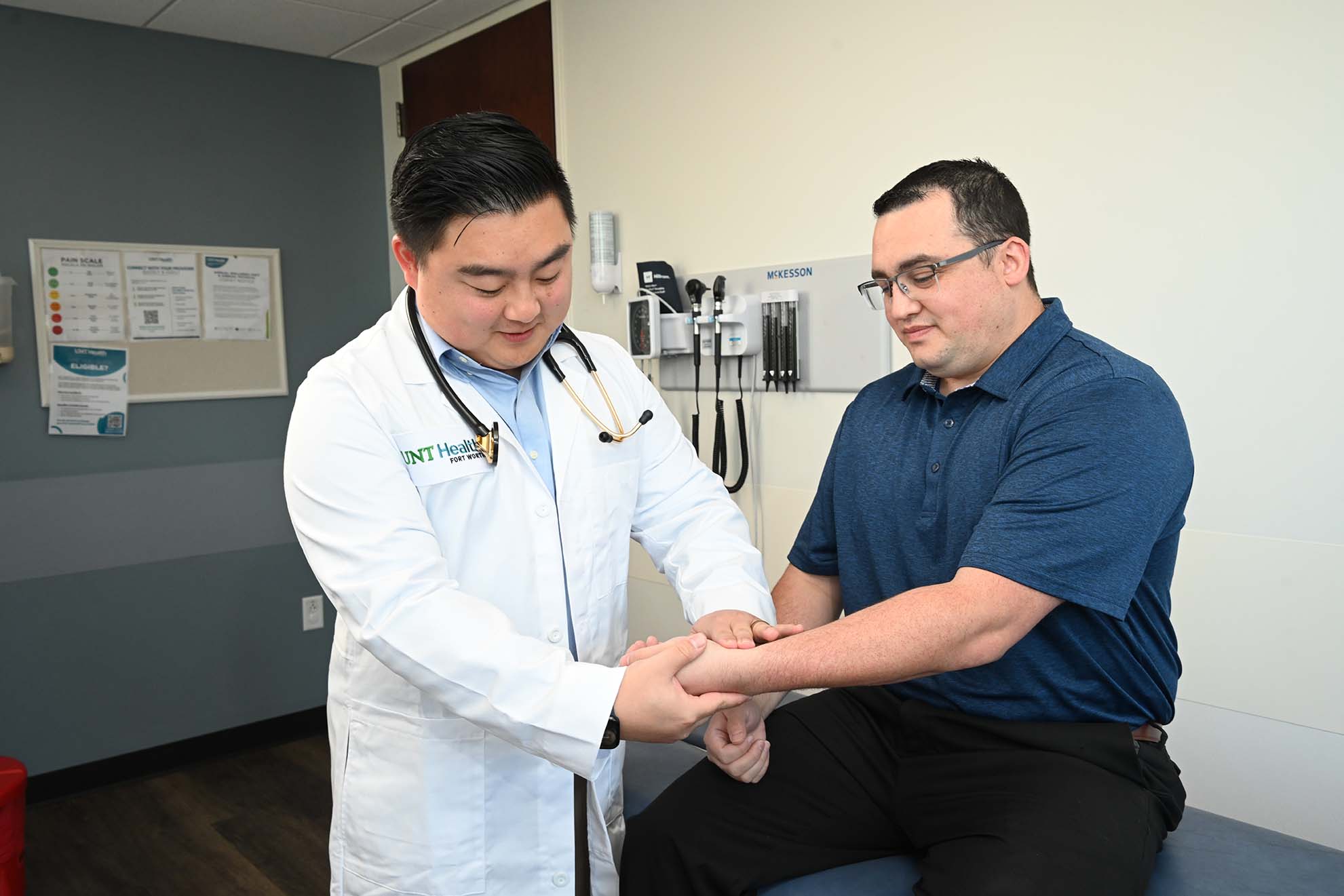
As the year winds down, it's easy for preventive health care to fall to the bottom of your to-do list. Between work, school, family responsibilities and everything else on your calendar, scheduling a routine health appointment may not feel urgent, but preventive care is an important part of staying healthy.
Routine visits give you an opportunity to check in on your overall health, catch potential problems early, stay up to date on vaccinations and talk with your health care provider about concerns before they become bigger problems.
Before the end of the year, consider following this simple preventive care checklist.
1. Schedule Your Annual Physical or Wellness Visit
An annual wellness visit with your primary care provider is an opportunity to look at your overall health, not just address a single concern.
To address preventive care by age, health history and individual risk factors, your provider may:
- Check your blood pressure, weight and other vital signs
- Review your medications and supplements
- Discuss nutrition, physical activity, sleep, stress and other lifestyle factors
- Review your personal and family medical history
- Identify recommended health screening
- Review your vaccination history
- Discuss new or ongoing health concerns
Even if you feel healthy, routine visits can help identify health concerns and risk factors that may not cause noticeable symptoms.
Make the most of your appointment
Before your visit, take a few minutes to think about what you want to discuss. Consider bringing:
- A current list of prescription medications, over-the-counter medications and supplements
- Questions or concerns you've been meaning to ask
- Updates to your family medical history
- Information about care you've received from other providers
Your primary care provider can help you determine which preventive services are appropriate for you and create a plan for staying on top of your health.
2. Check Whether You're Due for Recommended Health Screenings
Preventive health screenings can help detect certain conditions before you develop symptoms, but screening recommendations aren't the same for everyone.
Depending on your individual circumstances, your primary care provider may recommend screening for conditions such as:
- High blood pressure
- Diabetes
- High cholesterol
- Colorectal cancer
- Cervical cancer
- Breast cancer
- Osteoporosis
- Other conditions based on your age and risk factors
If you're not sure when you last had a particular screening, your primary care provider can help you figure it out.
Feeling healthy doesn't necessarily mean you don't need preventive screening. Many health conditions can develop without noticeable symptoms, which is why recommended screenings are an important part of preventive care.
3. Catch Up on Vaccinations
Fall is a good time to review your immunization record and make sure you're protected.
Depending on your age, health history and other factors, your provider may recommend vaccinations such as:
- Seasonal flu vaccine
- COVID-19 vaccine
- Tetanus, diphtheria and pertussis (Tdap)
- Shingles vaccine
- Pneumococcal vaccine
- RSV vaccine
- Other vaccines based on your individual need
Vaccination recommendations can change over time, and some vaccines are recommended only for certain age groups or people with specific health conditions.

4. Make Time to Address a Health Concern You've Been Putting Off
Preventive care is an opportunity to slow down and pay attention to changes in your health.
Maybe you've noticed a new symptom but haven't had time to make an appointment. Maybe you've been more tired than usual, experiencing recurring headaches or digestive problems, or dealing with pain that's interfering with your everyday activities.
Don't wait for a problem to become disruptive before bringing it up with your provider.
Your primary care appointment is a good place to discuss symptoms that are new, persistent, changing or affecting your quality of life. Your provider can determine whether you need additional evaluation or treatment.
5. Review Your Medications and Chronic Health Conditions
If you take medications regularly or manage a chronic condition, a routine checkup is the perfect time to make sure your treatment plan is still working for you.
Your provider may review:
- Prescription and over-the-counter medication
- Vitamins and supplement
- Medication side effects or potential interactions
- Blood pressure
- Blood sugar
- Cholesterol
- Asthma or other respiratory conditions
- Other chronic health conditions
It's especially important to let your provider know if you've experienced changes in your health, medications, lifestyle or daily routine. Your treatment plan may need to change as your health and circumstances change.
Don't Wait Until January to Prioritize Your Health
You don't need a new year or a new year's resolution to take care of your health.
A preventive health appointment can help you understand where you are today, identify areas that need attention and make a plan for the months ahead.
If you're due for a routine checkup, aren't sure which screenings you need or have a health concern you've been putting off, talk with your primary care provider.
Frequently Asked Questions
How often should I have a preventive health visit?
The appropriate frequency depends on your age, health history, risk factors and individual needs. Your primary care provider can recommend a schedule that's right for you.
What should I ask my doctor at my annual health checkup?
Consider asking whether you're due for any health screenings or vaccinations, whether your medications are still appropriate and whether there are any health risks you should be monitoring. You can also bring up any changes in your health or symptoms you've noticed.
Do I need a checkup if I feel healthy?
Yes. Preventive care can help identify certain health conditions and risk factors before they cause noticeable symptoms. Your provider can also help you stay up to date on recommended screenings and vaccinations.
What preventive screenings do I need?
Screening recommendations vary based on factors such as your age, sex, personal and family history and other risk factors. Your primary care provider can help you determine which screenings are appropriate for you.
Schedule Your Preventive Care
Taking care of your health doesn't have to wait until January. If you're due for a preventive health checkup or have a health concern you've been putting off, schedule an appointment with UNT Health Clinical Practice Group by calling 817-735-3627 or visit us online at unthealth.edu/patient.