
What Is Geriatric Care? Specialized Healthcare for Older Adults

Geriatric care is specialized healthcare designed to address the unique needs of older adults. As people age, they may experience changes in how their bodies respond to illness, medications and treatments. Geriatricians are trained to consider these changes and look at how different aspects of a patient’s health may be connected.
This whole-person approach is at the heart of geriatric medicine. A geriatrician may consider physical health, memory and cognitive function, medications, mobility, nutrition, emotional well-being and the ability to manage daily activities. They also work with patients and families to understand individual priorities and develop care plans that support health, independence and quality of life.
Geriatric care can be especially helpful for older adults managing multiple health conditions, taking several medications, experiencing memory or mobility concerns, or facing changes that make everyday activities more difficult. The goal is not simply to treat illness, but to help older adults live as healthy, active and independent a life as possible.
Chronic Conditions Don't Have to Control Your Life
Managing one chronic condition can be challenging. Managing several at once can feel overwhelming, especially as health needs change with age. Conditions such as diabetes, high blood pressure, heart disease, arthritis and osteoporosis may require ongoing monitoring, medications and lifestyle changes.
Chronic disease management for seniors takes these conditions into account while considering the patient as a whole. A geriatrician can help coordinate treatment plans, review medications and establish realistic health goals that reflect what matters most to the patient.
Managing chronic conditions is about more than keeping numbers within a target range. A good care plan also considers how a condition affects daily life, mobility, independence and overall well-being. With the right support, older adults can manage their health while continuing to participate in the activities and relationships that are important to them.
Memory Changes Deserve Attention
Occasionally forgetting a name, misplacing your keys or needing a little longer to remember something can happen at any age. But when changes in memory or thinking begin to interfere with everyday activities, it may be time to talk with a healthcare provider.
Memory changes can have many possible causes, including medications, sleep problems, depression, other medical conditions and cognitive disorders such as mild cognitive impairment or dementia. A geriatrician can evaluate these concerns in the context of a patient’s overall health and refer you for dementia testing if that is the appropriate next step.
For patients living with dementia, memory care and dementia care extend beyond the diagnosis. At UNT Health, geriatricians regularly facilitate family conferences to bring patients, caregivers and members of the care team together. These conversations help everyone understand the patient’s current stage of dementia, know what to expect as the condition progresses and work together on a plan for the future.
Depending on the patient’s needs, the care team may include a social worker, clinical pharmacist, health coach, neuropsychologist or neurologist in addition to the geriatrician. Family conferences also provide an opportunity to connect patients and caregivers with valuable community resources and additional support.
If you or someone you love has noticed changes in memory, thinking or daily functioning, bringing those concerns to a healthcare provider is an important first step. Early evaluation can help patients and families better understand what is happening and identify appropriate support.
Medication Management Matters
As we age, it’s common to take medications for multiple health conditions. While medications play an important role in managing chronic conditions, taking several medications at once can also create challenges. Different medications may interact with one another, and changes in the body can affect how medications work.
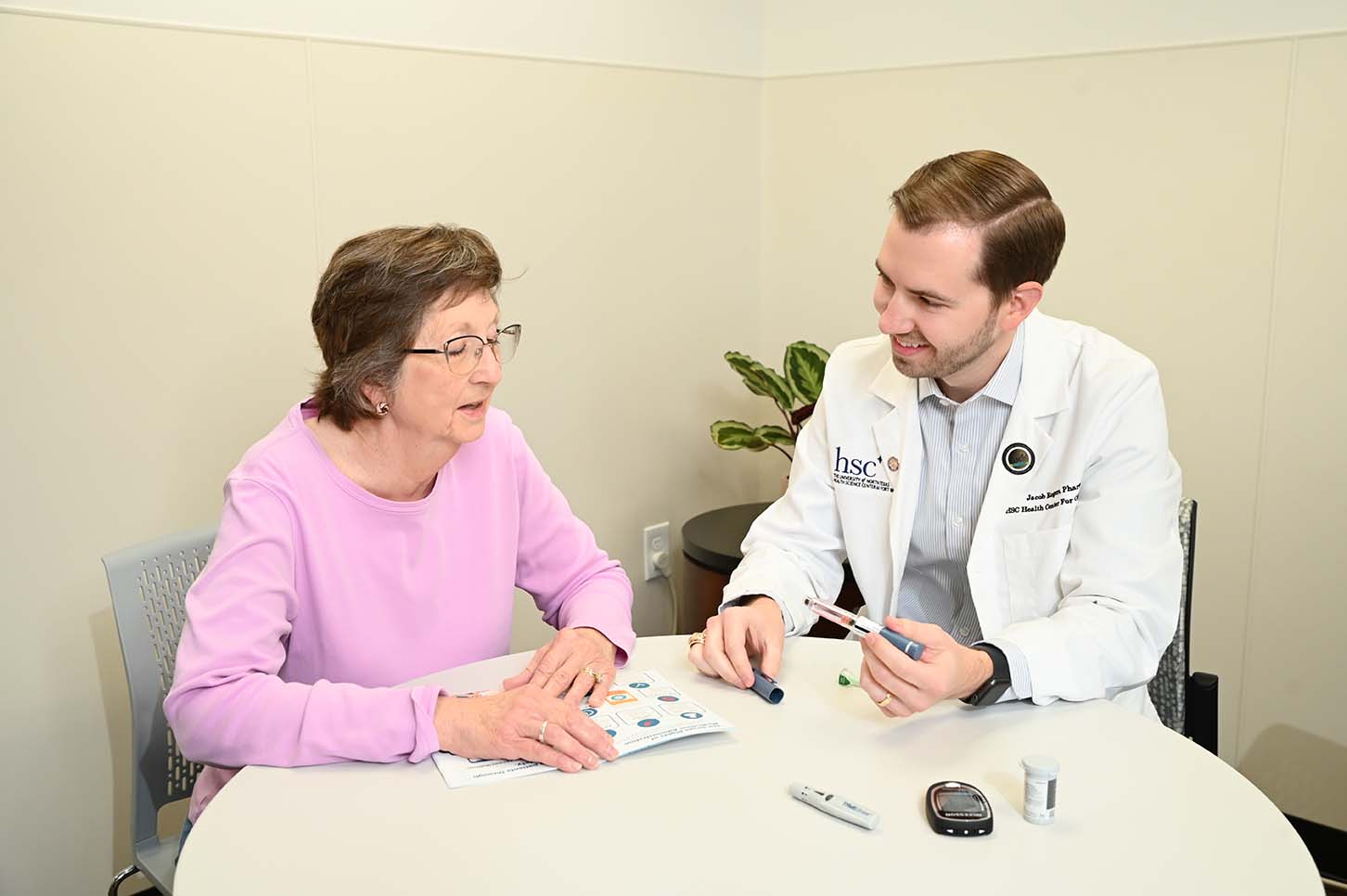
At UNT Health’s Center for Older Adults, patients have access to comprehensive medication support all in one place. In addition to reviewing medications as part of a geriatric appointment, Dr. Jacob Rogers, our clinical pharmacist, works directly with patients to review prescriptions, over-the-counter medications and supplements, identify potential interactions or side effects, and help ensure each medication is appropriate and necessary. Having a clinical pharmacist as part of the care team allows our providers to work collaboratively and gives patients and families an added layer of support in safely managing their medications.
Regular medication reviews can help identify potential interactions, unnecessary medications or side effects that may be affecting a patient’s health. When possible, simplifying a medication routine can also make it easier for patients and caregivers to follow a treatment plan.
Preventing Falls and Maintaining Independence
Falls are not an inevitable part of getting older, but the risk can increase with age. Changes in balance, vision, muscle strength, medications and other health conditions can all contribute to falls. Even a single fall can result in injury, loss of confidence or a fear of falling again.
Geriatric care takes a proactive approach to fall prevention by looking at the factors that may put an older adult at risk. A geriatrician may review medications, assess mobility and balance, discuss vision concerns and recommend strategies to improve strength and stability.
Preventing falls is about more than avoiding injury. Maintaining mobility and independence can help older adults continue participating in the activities, routines and relationships that contribute to a fulfilling life.
Geriatric Care is About the Whole Person
Healthy aging involves much more than managing medical conditions. An older adult’s sleep, nutrition, emotional well-being, mobility, social connections and ability to participate in everyday activities can all affect overall health and quality of life.
The Center for Older Adults team takes an interdisciplinary approach to address the patient as a whole, connecting geriatric primary care with a health coach, pharmacist, social workers, memory specialists and other specialists within the clinical practice group as needed.
Geriatric care also takes a patient’s goals and preferences into account. For one person, maintaining the ability to live independently may be the highest priority. For another, staying active with family, continuing a favorite hobby or managing a chronic condition comfortably may be most important.
This team-based approach allows us to provide convenient, comprehensive senior care.
When Should Someone See a Geriatrician?
There is no specific age at which someone needs to start seeing a geriatrician. Specialized senior healthcare may be especially helpful when an older adult’s healthcare needs become more complex or when changes in health begin to affect daily life and independence.
You may want to consider seeing a geriatrician if you or a loved one:
- Is 65 years of age or older
- Is managing multiple chronic health conditions
- Takes several prescription medications or supplements
- Has concerns about memory, thinking or other cognitive changes
- Has experienced a fall or has concerns about balance or mobility
- Is having difficulty managing everyday activities independently
- Has experienced changes in mood, sleep, appetite or energy
- Needs help coordinating care among multiple healthcare providers
- Has a caregiver who needs additional support or guidance
A geriatrician can bring these different pieces together and develop a care plan based on the patient’s individual needs, health goals and priorities.
In addition, traditional Medicare patients with an official dementia diagnosis may be eligible for further benefits through the CMS Guiding an Improved Dementia Experience (GUIDE) program.
Compassionate Care for Every Stage of Aging
Aging looks different for everyone. At UNT Health Center for Older Adults, we provide patient-centered older adult healthcare designed to support patients and their families through every stage of aging. Our team can help you navigate your healthcare needs with confidence.
Growing older shouldn’t mean putting your health, independence or quality of life on hold. With the right care and support, older adults can continue to focus on the people, activities and experiences that matter most. Call 817-735-2200 or schedule your appointment online here.