
Be|Well Programming & Events
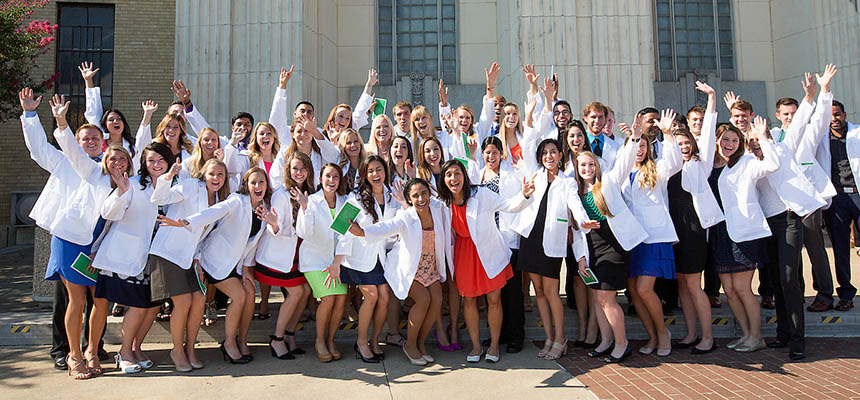
Be|Well was built for you, our UNT Health students, to create a culture on campus where wellbeing isn't an afterthought, it's a foundation. Whether you're in a graduate, clinical, or undergraduate program, we know your time is your most valuable resource. That's why our programming is intentional: every event, every experience, and every resource is designed to meet you where you are and give you tools you can actually use.
From curriculum-integrated learning to campus-wide events, Be|Well focuses on the areas that matter most during your graduate journey: resiliency, stress management, and emotional intelligence. These aren't abstract concepts, they're the skills that help you navigate the hard semesters, support your peers, and show up as the healthcare professional you're working to become.
We're always growing, and so is our community. The best reflection of what Be|Well means on campus comes from the students who've experienced it firsthand. Check out what our students have to say about some of our signature events.
Student Feedback
Our events and campus programming give students real tools for stress, burnout and building the kind of wellbeing that lasts. Here's what students have experienced firsthand.

Be|Well Canvas Course
“Be|Well module was very helpful because it helped me reflect on my stress levels.”

Watch - How UNT Health Unwinds: Taking a Pause
“It was good to hear this... as a reminder to slow down.”
Watch on YouTube
Watch - Beyond the Grind: A panel discussion
“I loved to hear the small habits people have used to make their day to day easier.”
Visit YouTube
Student Support and Wellness Fair
“Campus wide events like this are a great way for students to be connected to the campus, as well as engaging w/ other students, who will be their future coworkers.”

Be|Well Emotional Intelligence Course
“The integration of emotional intelligence module with our classes helped me better understand where and how I can use my specific skills to help with stress management at a personal level.”
